
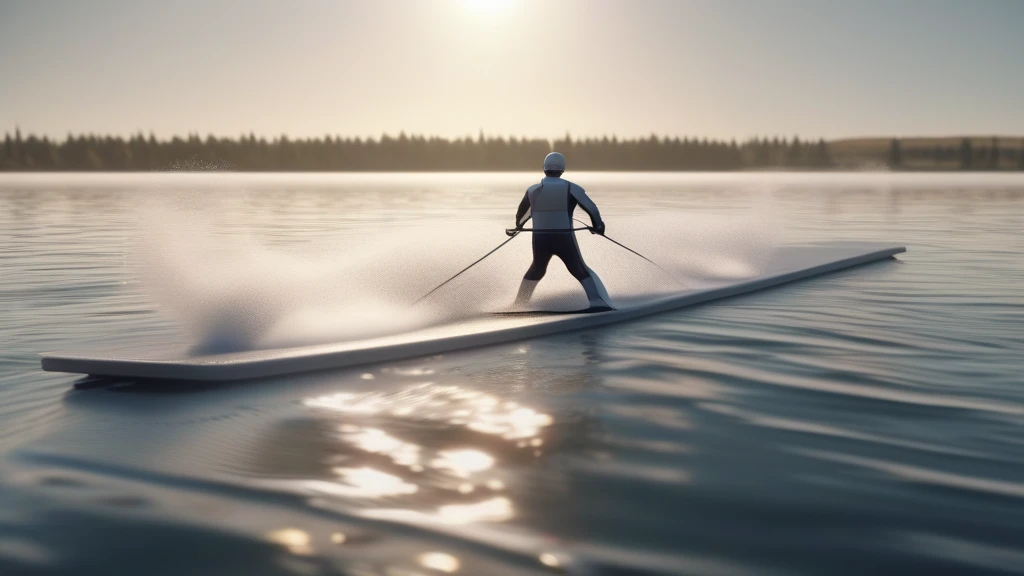
Water skiing is an exhilarating sport that combines speed, skill, and balance on the water. For beginners, selecting the right water ski can make all the difference in building confidence, improving stability, and enjoying a smooth learning curve. With a wide variety of water skis available—each designed for different skill levels and water activities—knowing what to look for can feel overwhelming. This guide aims to simplify the process and help you choose a water ski that prioritizes stability and ease of use, ensuring your first experiences on the water are both safe and enjoyable.
Understanding Water Ski Types and Their Impact on Stability
Water skis come in several types tailored to specific activities and skill levels. For beginners, the focus should be on skis that offer maximum stability and control.
Beginner Recreational Skis
These skis are designed with wider and longer shapes to provide a larger surface area on the water, which enhances balance and makes it easier to stay upright. They typically feature softer, more forgiving materials and bindings that accommodate a range of foot sizes comfortably. The goal is to minimize tipping and reduce the effort needed to maintain form.
Show Skis and Freestyle Skis
While show skis are built for team performances requiring precision and synchronization, and freestyle skis emphasize agility for tricks, these are generally better suited for intermediate to advanced skiers. Their narrower profiles and specialized designs offer less initial stability, making them less ideal for beginners.
Speed and Slalom Skis
Designed for high-speed racing and sharp turns, these skis are narrow and require refined technique and balance. Beginners should avoid these until they have developed foundational skills.
Key Features to Look for in Beginner Water Skis
When choosing a beginner water ski, several features contribute to stability and ease of use:
Width and Length
A wider ski increases surface area, providing greater buoyancy and balance. Beginners should look for skis that are longer and wider compared to advanced models, typically around 65 to 70 inches in length with a width of 12 to 15 inches. This size range offers a stable platform without being unwieldy.
Construction Materials
Modern water skis utilize advanced materials like fiberglass, carbon fiber, and polyurethane cores to balance strength, weight, and durability. For beginners, a ski made from fiberglass or a composite blend offers a good combination of lightweight design and shock absorption, making it easier to control and less tiring to use.
Adjustable Bindings
Bindings that adjust to fit different foot sizes and provide secure, comfortable support are critical for beginners. Look for bindings with padding and ergonomic designs that reduce foot fatigue. Some models also feature quick-release mechanisms for safety, an essential consideration for new skiers still mastering balance.
Fins and Stability Enhancements
Fins play a vital role in steering and maintaining direction. Beginner skis typically have larger, more stable fins that offer better tracking and reduce the tendency to spin or slip sideways. Some skis allow you to swap out fins, enabling customization as your skills improve.
Safety Certifications and Features
Choose skis that meet recognized safety standards such as ISO, CE, or Marine Safety certifications. Features like anti-slip surfaces, smooth edges, and quick-release bindings contribute to safer skiing experiences, particularly for those still gaining confidence on the water.
Matching Your Water Ski to Your Weight and Skill Level
Your body weight significantly affects ski performance and stability. Heavier individuals may require wider skis with more surface area to provide adequate buoyancy, while lighter skiers can benefit from slightly narrower models that offer easier maneuverability.
Similarly, assess your fitness level and comfort on water. If you’re new to any watersport or have less lower-body strength, prioritize skis with forgiving flex and enhanced stability features to reduce fatigue and improve control.
Environmental Considerations: Sustainable and Durable Choices
Many modern skis incorporate eco-friendly manufacturing processes and sustainable materials without compromising quality. Selecting a ski produced with such methods supports environmental responsibility and often results in durable, weather-resistant products that withstand sun, salt, and fresh water exposure.
Maintenance Tips to Keep Your Beginner Ski in Top Shape
Proper care extends the life of your water ski and ensures consistent performance:
- Rinse After Use: Always rinse your skis with fresh water after exposure to saltwater to prevent corrosion and material degradation.
- Inspect Bindings and Fins: Regularly check for wear or damage in bindings and fins, replacing parts as needed to maintain safety.
- Store Properly: Avoid leaving skis in direct sunlight or extreme temperatures. Use padded ski bags for transport and storage.
- Repair Promptly: Address minor scratches or cracks quickly with appropriate repair kits to prevent further damage.
Final Thoughts: Prioritizing Stability and Comfort for a Positive Start
Choosing the right water ski as a beginner is about finding a balance between stability, ease of use, and safety. Wider, longer skis with adjustable, comfortable bindings and stable fins provide the best foundation for learning. Coupled with quality construction, safety certifications, and proper maintenance, your equipment will support your progression from novice to confident water skier.
By understanding the nuances of ski types, materials, and features, you can make an informed decision that enhances your enjoyment and performance on the water. Remember, the right beginner ski not only improves your balance and control but also makes your introduction to water skiing a truly rewarding experience.