
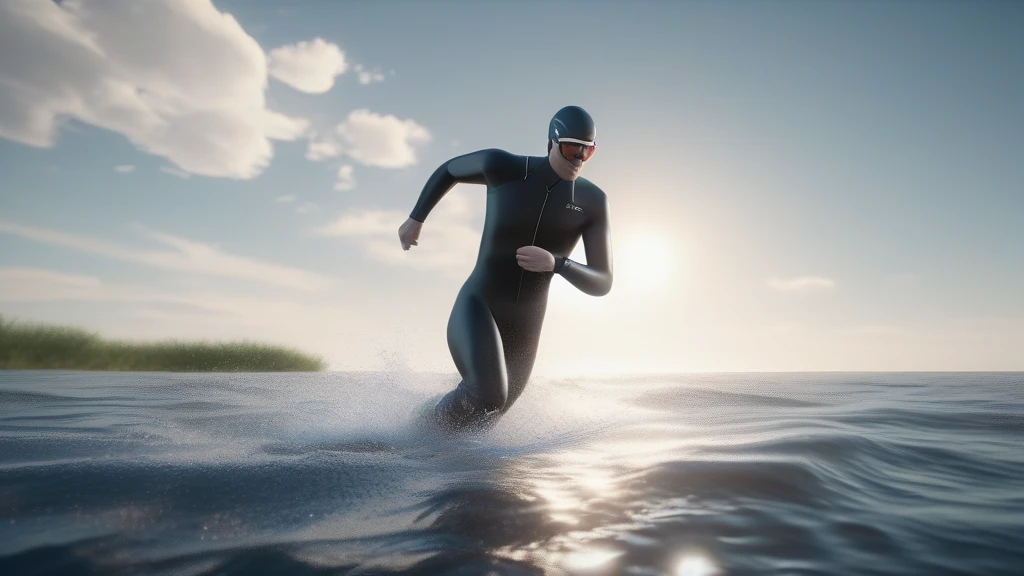
Triathlons are among the most demanding endurance events, requiring athletes to transition seamlessly between swimming, cycling, and running. The swim segment presents unique challenges, where water temperature, hydrodynamics, and freedom of movement can significantly impact performance. Choosing the right wetsuit is essential for triathletes aiming to optimize speed, maintain thermal comfort, and ensure flexibility throughout the swim leg.
In this article, we’ll explore how wetsuits designed specifically for triathlons balance these critical factors. We’ll cover material innovations, construction techniques, and practical tips to help you select wetsuit gear that enhances your race-day performance while supporting environmental sustainability.
Understanding the Role of a Triathlon Wetsuit
Unlike traditional wetsuits made primarily for surfing or diving, triathlon wetsuits must strike a delicate balance between warmth, buoyancy, and unrestricted movement. The swim portion of a triathlon usually takes place in open water, where temperatures can vary widely—from chilly lakes to temperate oceans. A wetsuit that is too thick may hinder mobility and speed, while one that is too thin may provide insufficient thermal protection.
Key Performance Factors for Triathlon Wetsuits
- Flexibility: Triathletes need maximum shoulder and arm mobility to maintain an efficient freestyle stroke. Multi-directional stretch fabrics and ergonomic paneling are essential.
- Buoyancy: Additional buoyancy helps improve body position in the water, reducing drag and conserving energy.
- Thermal Protection: Appropriate insulation thickness depends on water temperature but typically ranges from 2mm to 5mm for triathlons.
- Speed: Streamlined design and smooth outer coatings reduce water resistance.
- Ease of Transition: Features like quick-release zippers and easy-on/off designs save valuable seconds during transitions.
Material Innovations: Eco-Friendly Neoprene and Sustainability
Modern triathlon wetsuits increasingly incorporate sustainable materials without compromising performance. Traditional petroleum-based neoprene is being replaced or supplemented with alternatives such as limestone-based neoprene and recyclable neoprene blends.
Benefits of Sustainable Neoprene
- Lower Carbon Footprint: Limestone neoprene production emits fewer greenhouse gases compared to conventional neoprene.
- Biodegradable Coatings: Some wetsuits feature biodegradable water-repellent layers, reducing environmental impact.
- Recyclability: Wetsuits made with recyclable neoprene allow for end-of-life recycling programs, minimizing waste.
Choosing an eco-friendly wetsuit aligns with the values of environmentally conscious athletes and supports the broader movement toward sustainability in water sports gear.
Ergonomic Design and Paneling for Speed and Flexibility
Triathlon wetsuits use carefully engineered panel layouts to optimize movement and hydrodynamics. Key design elements include:
- Multi-Directional Stretch Panels: Strategically placed panels around the shoulders and arms provide the flexibility needed for a full range of motion.
- Hydrodynamic Textured Panels: Smooth outer surfaces on the torso and legs reduce drag, aiding speed.
- Anatomical Fit: Gender-specific cuts and sizes ensure a snug but comfortable fit that minimizes water flow inside the suit.
- Seam Construction: Blindstitched or taped seams prevent water ingress and enhance durability without restricting movement.
By prioritizing these design features, wetsuits allow triathletes to swim faster and with less fatigue.
Selecting the Right Thickness for Thermal Comfort
Water temperature is the primary factor determining wetsuit thickness. Here’s a general guide for triathletes:
| Water Temperature (°F) | Recommended Thickness (mm) | Notes |
|---|---|---|
| Above 75 | No wetsuit or <2mm | Minimal insulation; consider shorty suits |
| 65 – 75 | 2 – 3 mm | Light insulation, flexible and fast |
| 58 – 65 | 3 – 5 mm | Balanced warmth and mobility |
| Below 58 | 5 – 7 mm | Maximum insulation but less flexible |
Thicker wetsuits offer more thermal protection but can restrict shoulder movement, so triathletes often choose suits that maximize warmth without sacrificing stroke efficiency.
Practical Features to Enhance Safety and Convenience
While performance is paramount, safety and usability features are also vital for triathletes:
- High-Visibility Panels: Bright or reflective sections improve visibility in open water swims, enhancing safety.
- Anti-Slip Surfaces: Textured panels on the arms or shoulders can improve grip during transitions.
- Emergency Whistle Attachments: Some wetsuits include clips for whistles, adding an extra safety layer.
- Quick-Dry and Abrasion-Resistant Materials: Durable fabrics withstand the rigors of training and race day.
- Travel-Friendly Design: Lightweight, compressible wetsuits with included carry bags simplify transport and packing.
These thoughtful additions make triathlon wetsuits more user-friendly and safer in diverse conditions.
Caring for Your Triathlon Wetsuit: Maintenance Tips
Proper care extends the life of your wetsuit and maintains its performance features:
- Rinse Thoroughly: Always rinse your wetsuit with fresh water after use to remove salt, chlorine, and debris.
- Dry Inside Out: Turn the wetsuit inside out to dry in a shaded, ventilated area to prevent sun damage and mold.
- Store Flat or on Wide Hangers: Avoid folding or creasing the neoprene, which can cause permanent damage.
- Repair Promptly: Use repair kits or patches to fix small tears or seam damage before they worsen.
- Avoid Harsh Chemicals: Do not use bleach or detergents that can degrade neoprene.
Regular maintenance ensures your wetsuit remains flexible, buoyant, and protective for many seasons.
Conclusion
Selecting the best wetsuit for triathlons involves understanding the interplay between flexibility, speed, and thermal protection. Advances in eco-friendly neoprene materials and ergonomic design have elevated wetsuit performance, allowing triathletes to swim more efficiently while reducing environmental impact. By choosing a wetsuit tailored to your water temperature, body type, and safety needs—and caring for it properly—you can enhance your race experience and longevity in the sport.
Whether you’re a seasoned competitor or training for your first race, investing time in selecting the right wetsuit will pay dividends in comfort, confidence, and performance during the swim leg of your triathlon.