
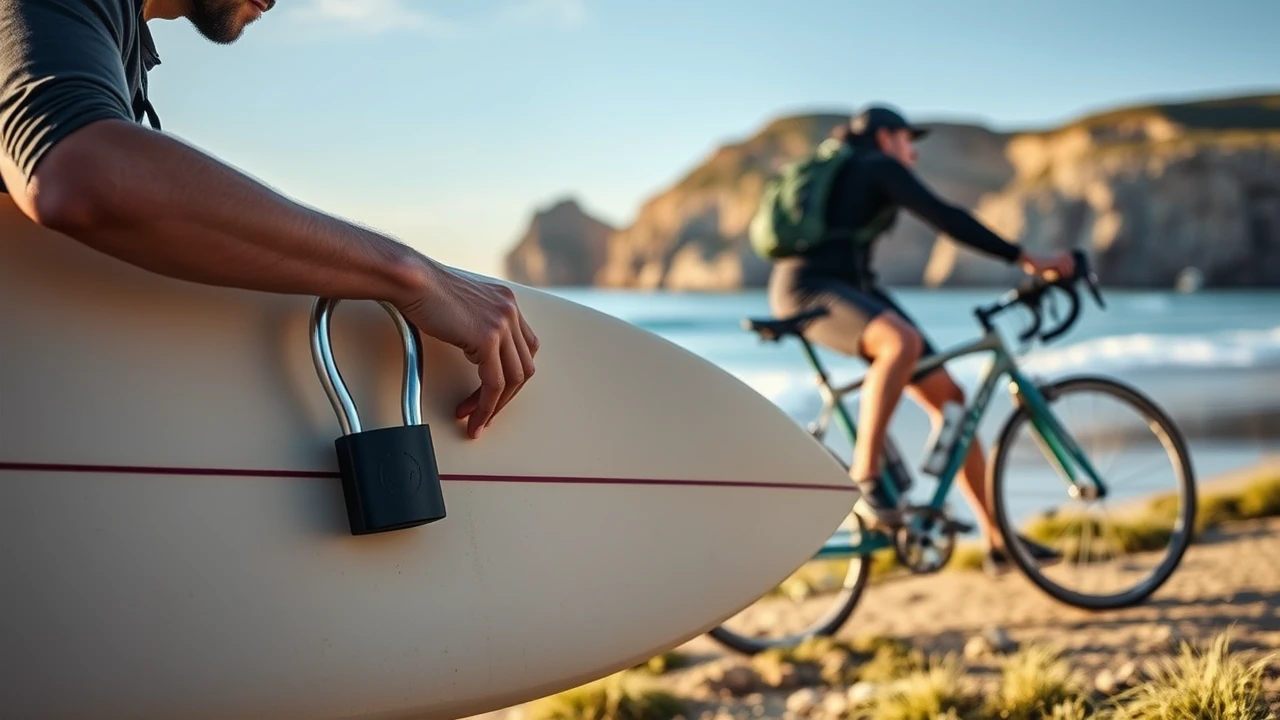
When it comes to protecting your gear in demanding outdoor environments, the right lock can make all the difference. Whether you're a surfer safeguarding your board on a busy beach, a cyclist parking your bike at a trailhead, or an adventurer securing your equipment during a hike, choosing a lock designed to withstand harsh conditions is essential. Beyond just beach use, corrosion-resistant, durable locks designed for marine environments offer versatile security solutions for a wide range of outdoor activities.
In this article, we explore key features and considerations when selecting locks for outdoor and cycling enthusiasts, helping you make an informed decision to keep your valuables safe regardless of where your adventures take you.
Understanding the Challenges of Outdoor Locking
Outdoor environments pose unique challenges for locks, including exposure to saltwater, sand, dirt, moisture, and extreme weather fluctuations. These factors can accelerate corrosion, impair locking mechanisms, and reduce overall security if the lock is not engineered to handle such conditions.
Corrosion Resistance: The Cornerstone of Durability
The primary challenge in coastal and outdoor settings is corrosion, especially from saltwater spray and humidity. Locks designed for marine use typically feature:
- Stainless steel components: Resisting rust and maintaining structural integrity.
- Brass or coated shackles: Offering additional protection against salt and moisture.
- Weatherproof seals: Preventing water and debris from entering the locking mechanism.
For cyclists and outdoor enthusiasts, choosing a lock with proven corrosion resistance ensures that your security device remains functional and reliable over time, even after repeated exposure to harsh elements.
Keyed vs. Combination Locks: Which Is Right for You?
One of the most common decisions when selecting a lock is whether to opt for a keyed or combination mechanism. Both have their pros and cons depending on your preferences and use case.
Keyed Locks: Simplicity and Reliability
Keyed padlocks offer straightforward operation with a physical key to open and close the lock. Advantages include:
- No need to remember combinations: Ideal for users who prefer tactile control.
- Potentially higher security: Some keyed locks come with complex keyways that resist picking.
- Keyed alike options: Useful if you want multiple locks opened by a single key.
However, keys can be lost or misplaced, and carrying extra keys during outdoor activities can be inconvenient.
Combination Locks: Convenience and Flexibility
Combination locks eliminate the need for keys by using numeric codes, which can be preset or reset by the user. Their benefits include:
- Keyless access: No worries about losing keys during outdoor pursuits.
- Resettable combinations: Easy to change codes for enhanced security.
- Quick sharing: If you’re sharing equipment with friends or family, combination locks simplify access.
On the downside, combination locks require remembering the code and may be susceptible to code guessing if not properly managed.
Heavy-Duty Construction for Tough Outdoor Use
Locks designed for outdoor adventurers and cyclists often feature heavy-duty construction to withstand impact, tampering, and rough handling. Look for:
- Hardened steel shackles: Resist cutting and sawing attempts.
- Solid lock bodies: Provide strength against prying or hammering.
- Protective coatings: Minimize scratches and damage that can expose metal to corrosion.
This level of durability is crucial not only to deter theft but also to ensure the lock continues functioning after accidental drops or knocks during active use.
Practical Tips for Securing Surf Gear and Outdoor Equipment
Choosing the right lock is just one part of a comprehensive gear security strategy. Here are some practical tips to enhance protection:
Secure Attachment Points
Always lock your equipment to immovable, sturdy objects such as bike racks, fixed posts, or heavy lockers. Avoid flimsy or easily removable anchors.
Use Multiple Locks When Necessary
For larger gear like surfboards or multiple bicycles, consider using more than one lock to secure different parts. This adds layers of security and complicates theft attempts.
Keep Locks Clean and Maintained
Even corrosion-resistant locks benefit from regular maintenance. Rinse locks with fresh water after exposure to saltwater, dry thoroughly, and apply lubricant to keep mechanisms smooth.
Choose Lightweight Locks for Portability
When carrying gear over distances, such as hiking to a surf spot or cycling to a trail, opt for locks that balance security with lightweight design. This reduces the burden without compromising protection.
Versatility Beyond the Beach: Applications for Cyclists and Outdoor Enthusiasts
While originally designed with surfers in mind, marine-grade locks offer excellent benefits for cyclists and outdoor adventurers as well:
- Bicycle security: Corrosion-resistant locks withstand rain, mud, and road salt, extending lock life and reliability.
- Outdoor storage: Secure gear bags, backpacks, and lockers in campgrounds or outdoor gyms.
- Travel security: Protect luggage or equipment cases in environments where standard locks might rust or fail.
This versatility makes investing in durable, weatherproof locks a smart choice for anyone regularly active in challenging outdoor conditions.
Final Thoughts: Making an Informed Lock Choice
Selecting the right lock for your outdoor gear involves balancing security, durability, convenience, and environmental resistance. Whether you prefer the simplicity of a keyed lock or the flexibility of a combination, ensure the lock you choose:
- Is specifically rated for marine or outdoor use with corrosion-resistant materials.
- Features heavy-duty construction to resist physical attacks.
- Offers ease of use suited to your activity style and preferences.
- Matches the scale and type of your equipment for effective protection.
By understanding these key factors, surfers, cyclists, and outdoor adventurers can confidently secure their valuable gear, enjoying peace of mind no matter where their journeys lead.
Investing in a lock that goes beyond basic security to offer resilience against nature’s toughest elements is a small step that pays big dividends in protecting your gear and your adventures.