
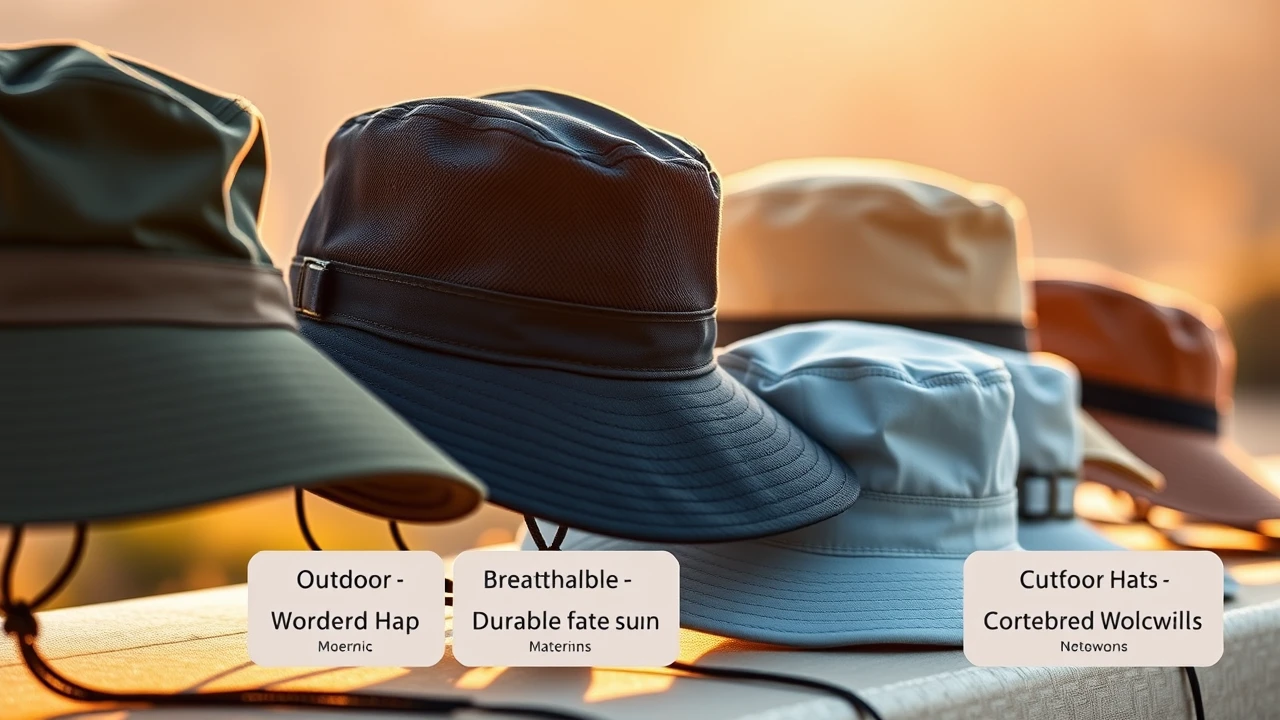
When it comes to outdoor hats, choosing the right material can make all the difference in comfort, protection, and longevity. Whether you’re hiking a rugged trail, lounging on the beach, or exploring a new city, your hat serves multiple functions: shielding you from the sun, keeping you cool, and withstanding the elements. But balancing breathability and durability isn’t always straightforward—materials that prioritize airflow might sacrifice toughness, while heavy-duty fabrics can sometimes trap heat.
This article dives into the key materials commonly used in outdoor hats, comparing their breathability, durability, and other essential qualities. As you read, you’ll gain practical insights to help select the perfect hat tailored to your activities and preferences.
Understanding the Importance of Breathability and Durability in Outdoor Hats
Why Breathability Matters
Breathability refers to a fabric’s ability to allow air and moisture vapor to pass through, promoting ventilation and preventing overheating. For outdoor hats, especially in warm or humid environments, breathability is crucial. It helps:
- Regulate temperature: Prevents excessive sweating and discomfort.
- Enhance moisture management: Wicks sweat away from the skin, keeping you dry.
- Reduce odor buildup: Improves freshness during prolonged use.
Without adequate airflow, hats can trap heat, leading to discomfort and potential skin irritation.
The Role of Durability
Durability means how well a material withstands wear and tear, including exposure to sun, moisture, abrasion, and frequent handling. Durable hats offer:
- Long-lasting performance: Resist fading, fraying, and structural damage.
- Reliable protection: Maintain their shape and sun-shielding capabilities over time.
- Cost-effectiveness: Reduce the need for frequent replacements.
Durability is particularly important for activities involving rough terrain, intense sun exposure, or variable weather conditions.
Common Materials in Outdoor Hats: A Comparative Overview
Polyester and Nylon: Lightweight, Durable, and Moisture-Wicking
Polyester and nylon are synthetic fabrics widely used in outdoor hats for their excellent balance of durability and breathability.
- Breathability: Both fabrics often feature mesh panels or ventilation holes that promote airflow. Advanced weaves and fabric technologies (like Airflow Technology) enhance moisture vapor transmission.
- Durability: Polyester and nylon resist stretching, shrinking, and UV degradation better than many natural fibers. They dry quickly and maintain shape after packing or folding.
- Additional Benefits: These materials frequently incorporate moisture-wicking and anti-odor finishes, making them ideal for high-intensity activities like hiking or running.
- Environmental Note: Some outdoor hats use recycled polyester to reduce environmental impact without compromising performance.
Cotton and Canvas: Natural Comfort with Moderate Breathability and Durability
Cotton and canvas offer a classic look and soft feel but present trade-offs between breathability and durability.
- Breathability: Cotton is highly breathable and comfortable against the skin, making it suitable for casual wear in warm weather. Canvas, a heavier cotton weave, is less breathable but more rugged.
- Durability: Cotton fibers can weaken with prolonged sun exposure and frequent washing. Canvas is sturdier and resists abrasion better but may absorb moisture and dry slowly.
- Care Considerations: Cotton and canvas hats often require more careful maintenance to prevent shrinkage and mildew.
- Sustainability: Organic cotton and certified canvas fabrics provide an eco-friendly option, appealing to environmentally conscious consumers.
Eco-Friendly Straw: Stylish, Breathable, but More Delicate
Straw hats have long been favored for sun protection and style in beach or resort settings.
- Breathability: Natural straw is highly breathable due to its loose weave, allowing air circulation and cooling.
- Durability: However, straw is more fragile and susceptible to cracking, fraying, and water damage if not treated or handled properly.
- Practical Tips: Look for hats made with eco-friendly, sustainably harvested straw and protective coatings. Store them carefully and avoid exposure to heavy rain.
- Environmental Aspect: Straw is a renewable, biodegradable material, aligning with sustainable fashion principles.
Fabric Technologies Enhancing Breathability and Durability
Modern outdoor hats often feature innovative fabric treatments and design elements that boost performance:
- Quick-Dry: Accelerates moisture evaporation, reducing dampness and discomfort.
- Moisture-Wicking: Pulls sweat away from the skin to the hat’s outer surface.
- Anti-Odor: Uses antimicrobial finishes to inhibit bacterial growth.
- Airflow Technology: Incorporates mesh panels or specialized weaves for enhanced ventilation.
- UV Protection (UPF 30+ to 50+): Blocks harmful ultraviolet rays, an essential feature regardless of material.
These technologies are frequently integrated into synthetic fabrics but also appear in treated natural fibers.
Choosing the Right Hat Material for Your Outdoor Activities
For Hiking and High-Intensity Sports
- Prioritize breathable synthetics like polyester or nylon with moisture-wicking and quick-dry properties.
- Look for hats with mesh ventilation and adjustable closures to ensure a secure fit.
- Durability is key to withstand branches, sweat, and sun exposure.
For Beach and Casual Wear
- Eco-friendly straw offers excellent breathability and a stylish look but handle with care.
- Lightweight cotton or canvas hats provide comfort and sun protection but may require more maintenance.
- Consider packable designs if you plan to travel.
For Travel and Everyday Use
- Versatile polyester blends balance durability and comfort.
- Features like foldability, machine washability, and UPF ratings enhance convenience.
- Adjustable closures ensure adaptability to different head sizes and styles.
Care and Maintenance Tips to Extend Hat Lifespan
- Synthetic Hats: Machine wash on gentle cycles or hand wash to preserve fabric treatments. Air dry to maintain shape.
- Cotton and Canvas: Hand wash with mild detergent; avoid excessive soaking. Reshape while damp and air dry.
- Straw Hats: Spot clean with a damp cloth. Store in a cool, dry place, ideally in a hat box or bag to prevent crushing.
- Sweatbands: Detachable bands can be washed separately to maintain hygiene.
- Avoid: Exposure to harsh chemicals, bleach, and high-heat drying which can degrade materials and coatings.
Final Thoughts: Balancing Breathability and Durability for Your Outdoor Hat
Selecting the right outdoor hat involves weighing breathability against durability based on your specific needs. Synthetic fabrics like polyester and nylon provide a reliable all-around solution for active pursuits, offering quick-drying, moisture management, and long-term resilience. Natural fibers such as cotton and straw excel in breathability and style but typically require more care and are best suited for casual or moderate use.
Understanding material properties, advanced fabric technologies, and proper maintenance empowers you to choose hats that not only protect you from the sun but also enhance comfort and last through countless adventures. Whether you prioritize cooling airflow, rugged durability, or eco-conscious materials, the right hat can become an indispensable companion on every outdoor journey.