
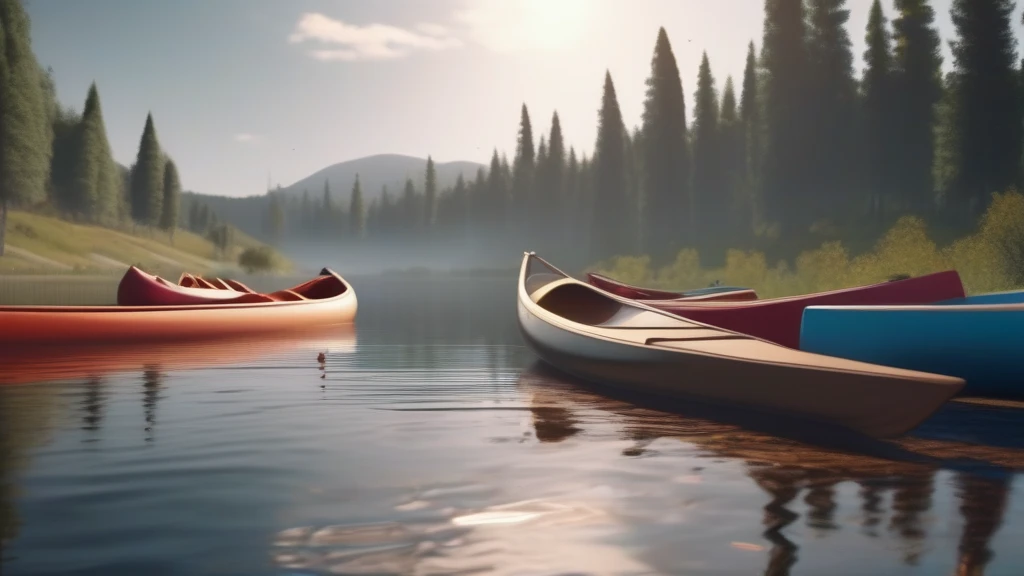
Canoeing is a timeless outdoor activity that combines adventure, relaxation, and a close connection with nature. Whether you’re paddling across a calm lake with your family, exploring winding rivers, or embarking on a multi-day wilderness expedition, choosing the right canoe is essential for a safe and enjoyable experience. In this comprehensive guide, we’ll compare the different types and styles of canoes available in the market, helping you understand their materials, hull designs, and features to find the best match for your water adventures.
Understanding Canoe Construction Materials
One of the most fundamental factors differentiating canoes is the material from which they are made. Material choice influences weight, durability, maintenance, performance, and price. Below is a breakdown of the most common materials used in canoe construction:
1. Fiberglass
- Characteristics: Lightweight, smooth finish, and relatively easy to repair.
- Performance: Offers good speed and tracking due to a sleek hull; often used in recreational and expedition canoes.
- Durability: Susceptible to impact damage and scratching; requires careful handling.
- Ideal for: Paddlers prioritizing speed and lightweight performance, often in calm waters.
2. Royalex
- Characteristics: A layered composite material known for toughness and impact resistance.
- Performance: Excellent balance of durability and weight; retains shape well over rough terrain.
- Durability: Highly resistant to dents and abrasions, making it ideal for rocky rivers and rugged use.
- Ideal for: Beginners and wilderness campers who need a durable, low-maintenance canoe.
3. Marine-Grade Polyethylene
- Characteristics: Heavy-duty plastic offering maximum durability.
- Performance: More stable but heavier than fiberglass; less efficient for speed.
- Durability: Extremely resistant to impacts, UV rays, and general wear.
- Ideal for: Family outings and fishing where durability and stability trump speed.
4. Kevlar Composites
- Characteristics: Ultra-lightweight and strong composite material.
- Performance: Superior speed and responsiveness with excellent stiffness.
- Durability: More vulnerable to impact damage compared to Royalex but easier to repair than fiberglass.
- Ideal for: Experienced paddlers and expedition enthusiasts valuing performance and lightweight transport.
5. Aluminum
- Characteristics: Metal hulls offering ruggedness and longevity.
- Performance: Very durable but heavier; noisier on water and prone to dents.
- Durability: Excellent impact resistance; requires minimal maintenance.
- Ideal for: Fishermen and casual users in calm waters requiring robust construction.
6. Inflatable Materials (PVC, Hypalon, Reinforced Vinyl)
- Characteristics: Flexible, lightweight, and portable materials designed for inflatables.
- Performance: Stable with shallow drafts; slower than hard-shell canoes.
- Durability: Modern reinforced vinyl and Hypalon are puncture-resistant; PVC is budget-friendly but less durable.
- Ideal for: Users needing compact storage, easy transport, and quick setup—perfect for weekend adventurers and casual paddlers.
Hull Designs and Their Impact on Performance
The shape of a canoe’s hull significantly affects its stability, speed, and maneuverability. Choosing the right hull design depends on your intended use and skill level.
Flat Bottom Hulls
- Features: Broad, flat base offering maximum initial stability.
- Advantages: Excellent for beginners, family outings, and calm waters.
- Trade-offs: Less efficient tracking and slower speeds.
- Best for: Leisure paddling on lakes and slow-moving rivers.
V-Bottom Hulls
- Features: A pronounced “V” shape along the keel.
- Advantages: Enhances speed and tracking, cutting through water smoothly.
- Trade-offs: Reduced initial stability; requires more skill to handle.
- Best for: Experienced paddlers and expedition canoes covering longer distances.
Rounded Bottom Hulls
- Features: Curved hull enhancing secondary stability.
- Advantages: Balances stability and maneuverability; easier to roll if capsized.
- Trade-offs: Moderate speed; can feel less stable at rest.
- Best for: Versatile use, including fishing and recreational paddling.
Asymmetrical Hulls
- Features: Hull shape designed to improve tracking without a keel.
- Advantages: Combines ease of turning with good straight-line speed.
- Trade-offs: Slightly less stable than flat bottoms.
- Best for: Paddlers seeking a balance of maneuverability and tracking.
Shallow Arch Hulls
- Features: Slight arch to add strength and rigidity.
- Advantages: Smooth ride and good handling in light rapids.
- Trade-offs: Moderate stability; not ideal for rough waters.
- Best for: Recreational and fishing canoes.
Traditional Hard-Shell Canoes vs. Inflatable Canoes
Canoes generally fall into two broad categories: traditional hard-shell models and inflatable canoes. Each type caters to different priorities and lifestyles.
Traditional Hard-Shell Canoes
- Materials: Fiberglass, Royalex, Kevlar, aluminum, marine-grade polyethylene.
- Features: Solid hulls with traditional design elements like wood gunwales, cane seats, and painted finishes.
- Advantages: Superior performance on water, better durability (depending on material), and a classic aesthetic.
- Limitations: Heavier and bulkier; require roof racks or trailers for transport.
- Ideal for: Users focused on performance, extended trips, or traditional canoeing experiences.
Inflatable Canoes
- Materials: PVC, Hypalon, reinforced vinyl.
- Features: Roll-up designs, high-pressure pump inflation, repair kits included.
- Advantages: Ultra-portable, easy to store in small spaces, quick setup and takedown.
- Limitations: Slower speeds, less precise handling, and vulnerability to sharp objects.
- Ideal for: Urban dwellers, weekend adventurers, and those with limited storage or transport options.
Specialized Features for Different Canoeing Activities
Choosing a canoe often depends on your primary activity. Here’s how features align with typical use cases:
Family and Recreational Canoeing
- Stability: Flat bottom or rounded hulls for maximum safety.
- Comfort: Padded or webbed seats, spacious cockpits.
- Storage: Dry compartments for snacks and personal items.
- Portability: Carry yokes and transport straps for easy handling.
- Safety: ISO or CE certifications reassuring for beginners and kids.
Fishing Canoes
- Stability: Shallow arch or flat hulls for steady casting platforms.
- Storage: Gear tie-down points, rod holders, and dry storage hatches.
- Comfort: Adjustable seats with back support for long hours.
- Extras: Mounts for fish finders or small motors.
Wilderness and Expedition Canoes
- Durability: Kevlar or Royalex materials for rugged use.
- Performance: V-bottom or asymmetrical hulls for efficient long-distance paddling.
- Features: Removable portage wheels, ample storage for camping gear, reinforced gunwales.
- Comfort: Ergonomic seats with padding for extended use.
Beginner Canoes
- Stability: Wide flat or shallow arch hulls.
- Ease of Use: Lightweight materials like Royalex or polyethylene.
- Safety: Certified models with high buoyancy.
- Features: Simple layouts with minimal gear attachment points to avoid clutter.
Portability and Transport Considerations
How you plan to transport and store your canoe can influence the style you choose.
- Hard-Shell Canoes: Generally require roof racks or trailers; many models include carry yokes and removable seats.
- Inflatable Canoes: Fold or roll into compact packages with included carrying bags; ideal for those without vehicle roof access.
- Portage Wheels: Some expedition canoes come with removable wheels to ease overland carrying.
- Weight: Kevlar and fiberglass models weigh less but cost more; polyethylene tends to be heavier but more affordable.
Final Thoughts: Matching Canoe Type to Your Lifestyle
Selecting the right canoe is a balance between material, hull design, portability, and intended use. Here’s a quick recap:
| Canoe Type | Material(s) | Hull Type(s) | Best For | Portability | Durability |
|---|---|---|---|---|---|
| Recreational Canoe | Polyethylene, Fiberglass | Flat, Rounded | Families, Beginners | Moderate | High (polyethylene) |
| Expedition Canoe | Kevlar, Royalex, Fiberglass | V-bottom, Asymmetrical | Wilderness trips, Long distances | Lightweight | High |
| Fishing Canoe | Aluminum, Polyethylene | Flat, Shallow Arch | Stability for fishing | Moderate | High |
| Inflatable Canoe | PVC, Hypalon, Reinforced Vinyl | Flat, Rounded | Portability, Storage, Casual use | Excellent | Moderate to High |
By understanding these distinctions and matching them to your needs, you'll be better equipped to choose a canoe that enhances your outdoor water experiences—whether you're gliding peacefully with family or tackling a rugged river expedition.
Exploring the waterways is one of the most rewarding ways to connect with nature. Armed with the right knowledge about canoe types, materials, and features, you can confidently select the watercraft that fits your lifestyle and adventure goals. Happy paddling!