
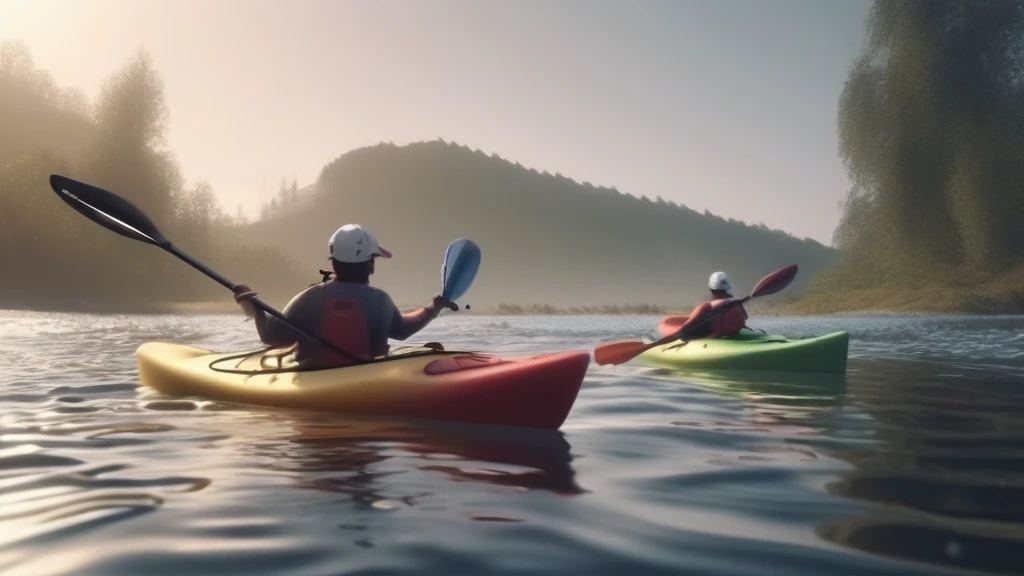
Kayaking is a rewarding outdoor activity that offers everything from serene paddling on calm lakes to thrilling navigation through choppy waters. Selecting the right kayak can significantly enhance your experience, especially when considering factors like skill level, water conditions, and intended use. Tandem kayaks, designed for two or more occupants, present versatile options for beginners, families, and seasoned paddlers alike. This guide explores how to choose kayaks based on skill level, highlighting the key features and product types suited to each stage of your kayaking journey.
Understanding Tandem Kayaks: An Overview
Before diving into skill-based choices, it’s important to grasp the basics of tandem kayaks. These watercraft range from inflatable to rigid hull designs, crafted from materials such as high-density polyethylene, rotomolded plastic, fiberglass reinforced polymer, inflatable PVC, and marine-grade aluminum frames. Their construction balances durability, weight, and portability — essential factors to consider when matching a kayak to your experience and activities.
Tandem kayaks are popular for:
- Recreational paddling on calm lakes and rivers
- Performance-oriented paddling in more dynamic water conditions
- Family outings, accommodating children and even pets
- Versatile water sports involving two or more paddlers
Each kayak type and feature set caters to different skill levels and preferences, providing a foundation for making an informed choice.
Kayaks for Beginners: Stability and Simplicity
Ideal Features for New Paddlers
If you’re just starting out, stability and ease of use should be your top priorities. Beginner tandem kayaks typically have:
- Stable, wide hull designs that reduce tipping risk
- High load capacity (400–500 lbs) to comfortably accommodate two adults or an adult with a child and gear
- Durable materials like rotomolded plastic or high-density polyethylene, which resist scratches and impact
- Lightweight construction to ease transport and handling, often with built-in carry handles and wheels
- Simple assembly, especially in inflatable models that can be inflated within 10-20 minutes
Recommended Tandem Kayak Types for Beginners
- Recreational Rigid Hull Kayaks: These kayaks have broad, flat hulls designed for calm waters such as lakes and slow-moving rivers. Their stable platforms make them forgiving for beginners learning paddling techniques.
- Inflatable Tandem Kayaks: Made from rugged inflatable PVC, these models are lightweight and easy to store or transport. Their quick assembly and deflation make them ideal for casual outings. Inflatable kayaks often include integrated repair kits, adding peace of mind for novices.
Practical Tips for Beginners
- Start paddling on calm, protected water to build confidence.
- Look for kayaks with bungee cords or storage compartments to secure gear safely.
- Choose kayaks certified by agencies like the US Coast Guard or ISO for added safety assurance.
- Consider models with adjustable or collapsible paddles to accommodate different paddler heights and preferences.
Intermediate Kayakers: Exploring Versatility and Performance
Features to Support Skill Development
As your kayaking skills grow, you may want a tandem kayak that offers more versatility and improved performance. Intermediate paddlers benefit from:
- Sleeker hull designs with moderate width for better speed and tracking
- Skegs or rudders to improve directional control in varied water conditions
- Materials balancing durability and weight, such as fiberglass reinforced polymer or marine-grade aluminum frames, which enhance rigidity without sacrificing portability
- Enhanced cockpit comfort, including adjustable seats and footrests for longer paddling sessions
Suitable Kayak Types for Intermediate Users
- Performance-Oriented Rigid Kayaks: These kayaks navigate a wider range of water conditions, including gentle choppy waters. Their hull shapes allow for quicker maneuvering and efficiency on the water.
- Hybrid Inflatable-Rigid Kayaks: Combining rigid frames with inflatable components, these kayaks offer stability and improved performance while remaining portable and easy to store.
Practical Advice for Intermediate Paddlers
- Experiment with kayaks featuring skegs or rudders to improve tracking in windy or wavy conditions.
- Invest in kayaks with higher load capacities (up to 600 lbs) for carrying additional gear or paddling with children and pets.
- Focus on kayaks with quick assembly times (under 15 minutes) to maximize time on the water.
- Regularly maintain your kayak’s hull and accessories to extend its lifespan and performance.
Expert Kayakers: Specialized Performance and Technical Precision
Advanced Features for Skilled Paddlers
Experienced paddlers often seek kayaks optimized for speed, agility, and specialized conditions. Expert tandem kayaks feature:
- Narrow, streamlined hulls designed for fast paddling and precise maneuvering
- Lightweight, high-performance materials such as fiberglass reinforced polymer with advanced composites for stiffness and responsiveness
- Modular components like removable skegs, adjustable seating, and collapsible paddles tailored for competitive or long-distance paddling
- Enhanced gear management systems, including integrated bungee cords, watertight compartments, and accessory mounts
Expert-Level Kayak Types
- Performance Racing Tandem Kayaks: Built for speed on flat water or moderately rough conditions, these kayaks are less stable but offer superior tracking and glide.
- Touring Kayaks with Tandem Configurations: Designed for extended trips, these kayaks balance speed and storage capacity, featuring reinforced hulls and ergonomic seating for long-distance comfort.
Tips for Expert Kayakers
- Choose kayaks with certification from TÜV or CE to ensure compliance with rigorous safety and quality standards.
- Customize your kayak with high-quality accessories like collapsible paddles and waterproof gear bags.
- Regularly inspect and maintain your kayaks, focusing on hull integrity and hardware to preserve performance.
- Plan kayaking adventures in diverse environments to fully utilize your kayak’s capabilities.
Additional Considerations for All Skill Levels
Material Pros and Cons
| Material | Pros | Cons |
|---|---|---|
| High-Density Polyethylene | Durable, impact-resistant, affordable | Heavier than composites |
| Rotomolded Plastic | Extremely durable, low maintenance | Heavier, less portable |
| Fiberglass Reinforced Polymer | Lightweight, good performance | More fragile, higher cost |
| Inflatable PVC | Portable, easy storage | Vulnerable to punctures without care |
| Marine-Grade Aluminum Frames | Lightweight, corrosion-resistant | Less common, can be expensive |
Safety and Certification
Always check for:
- US Coast Guard certification ensuring compliance with safety standards
- ISO or TÜV certifications for quality and reliability
- Environmental certifications reflecting eco-friendly materials or manufacturing practices
Maintenance and Storage Tips
- Rinse kayaks with fresh water after use, especially in saltwater environments.
- Store kayaks in shaded, dry areas to prevent UV damage and material degradation.
- Use covers or bags for inflatable kayaks to protect against punctures.
- Regularly inspect hardware, paddles, and hull integrity.
Conclusion: Matching Your Kayak to Your Skill Level and Goals
Choosing the right tandem kayak depends heavily on your current skill level, water environments, and intended activities. Beginners benefit from stable, user-friendly kayaks with durable materials and simple assembly. Intermediate paddlers should look for versatile models offering a balance of performance and comfort. Expert kayakers require specialized, lightweight designs with advanced features tailored to speed and technical precision.
By understanding key kayak characteristics such as hull design, construction materials, load capacity, and certification, you can select a tandem kayak that grows with your experience and enhances every paddling adventure. Whether you’re setting out on calm lakes with family or tackling choppy coastal waters, the right kayak can make all the difference in your enjoyment and safety on the water.