
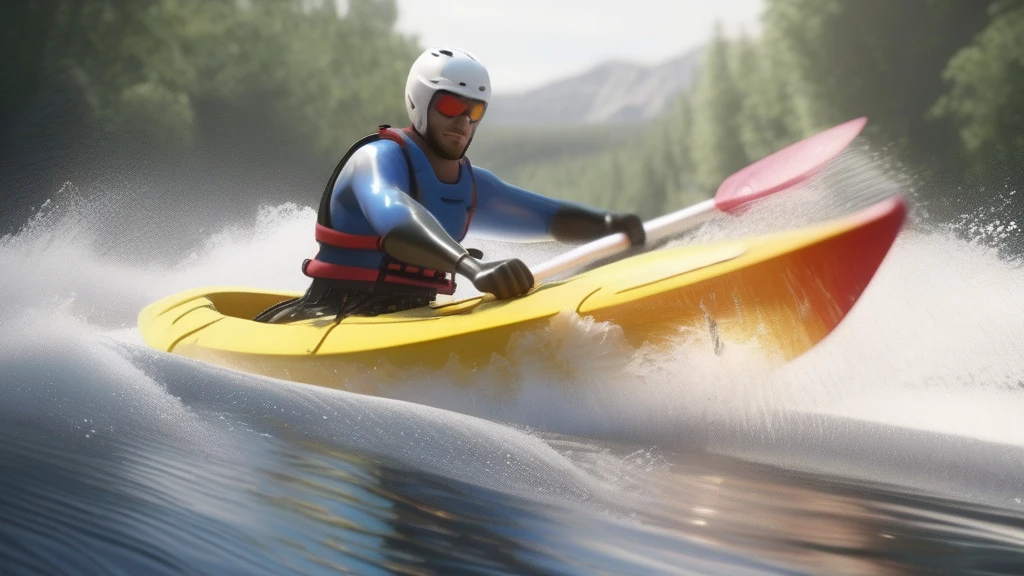
Slalom kayaking combines speed, precision, and agility as paddlers navigate through a course of gates on dynamic river waters. Whether you’re new to the sport or a seasoned competitor, selecting the right slalom kayak is crucial to optimizing your performance and enjoyment. This guide breaks down key considerations—from materials and design to safety and maintenance—to help you make an informed choice tailored to your skill level and paddling goals.
Understanding Slalom Kayaks: What Sets Them Apart?
Slalom kayaks are specialized craft designed primarily for navigating whitewater courses with agility and speed. Unlike recreational kayaks, they are lightweight, streamlined, and highly responsive to quick maneuvers.
Core Characteristics
- Lightweight Construction: Most slalom kayaks weigh under 35 pounds, enabling swift acceleration and nimble turns.
- Streamlined Hulls: The hull shape minimizes drag and maximizes stability at racing speeds, allowing precise control in turbulent water.
- Advanced Materials: Use of carbon fiber, Kevlar, fiberglass, or high-density polyethylene balances strength with lightness and impact resistance.
- Ergonomic Features: Adjustable seats and footrests enhance paddler comfort and control.
- Safety and Durability: Reinforced hulls, quick-release systems, and compliance with safety certifications (ISO, CE, TÜV) help protect paddlers during high-speed runs.
- Portability: Many models include carry handles, modular or foldable components for easier transport.
These design elements make slalom kayaks ideal for competitive racing, fitness paddling, and advanced touring on fast-moving rivers.
Choosing a Slalom Kayak Based on Skill Level and Use
Selecting the right kayak depends heavily on your experience and intended use. Here’s how to approach the decision:
For Beginners and Fitness Enthusiasts
If you’re new to slalom kayaking or focused on fitness paddling:
- Stability Matters: Look for kayaks with a wider, more stable hull to build confidence and reduce tipping risk.
- Durable Materials: High-density polyethylene or thermoformed ABS kayaks offer a good balance of durability and affordability for newcomers.
- Adjustable Ergonomics: Seats and footrests that can be customized help accommodate different body sizes and improve paddling efficiency.
- Moderate Length and Width: A slightly longer kayak improves speed, while moderate width enhances control.
For Intermediate to Advanced Paddlers and Competitive Racers
Experienced kayakers aiming for peak performance should consider:
- Ultra-Lightweight Carbon Fiber or Kevlar: These materials reduce weight significantly, enhancing acceleration and maneuverability.
- Narrow, Highly Streamlined Hulls: Designed for minimal drag and quick responsiveness during gate navigation.
- Advanced Ergonomics and Features: Anti-slip seats, spray skirts for water protection, and modular components for easy transport.
- Safety Certifications and Reinforced Hulls: Essential for high-speed runs in challenging whitewater conditions.
- Solo vs. Tandem: Most competitive slalom kayaks are solo, but tandem options exist for team training or adventure touring.
Material Insights: How Construction Influences Performance
The choice of material affects durability, weight, cost, and maintenance requirements.
Carbon Fiber and Kevlar
- Pros: Extremely lightweight, strong, and stiff. Excellent for competitive racing where every ounce matters.
- Cons: Higher cost and less impact tolerant; may require careful handling to avoid damage.
Fiberglass
- Pros: Good strength-to-weight ratio; more affordable than carbon fiber.
- Cons: Heavier and less durable against impacts.
High-Density Polyethylene (HDPE) and Thermoformed ABS
- Pros: Tough, impact-resistant, and budget-friendly. Ideal for beginners or rough use.
- Cons: Heavier and less rigid, which can reduce speed and responsiveness.
Environmental Considerations
Many manufacturers now incorporate eco-friendly materials and low-emission manufacturing to reduce environmental impact. Recyclable composites and sustainable production methods are becoming more common, reflecting growing awareness in the paddling community.
Training Tips for Slalom Kayaking Success
Mastering slalom kayaking requires both technique and physical conditioning. Key training focuses include:
- Paddling Technique: Practice precise strokes, edging, and bracing to improve control and reduce energy waste.
- Strength and Endurance: Build core, upper body, and cardiovascular fitness to sustain high-intensity paddling.
- Course Familiarization: Train on varied river conditions and simulate gate navigation to build agility and decision-making.
- Safety Drills: Learn quick-release systems and self-rescue techniques to prepare for emergencies.
Consistent practice combined with the right kayak setup can dramatically enhance your performance.
Maintenance Best Practices for Longevity and Safety
Proper care extends the life of your slalom kayak and maintains safety features:
- Regular Inspections: Check for cracks, dents, and hardware wear after each use.
- Cleaning: Rinse with fresh water to remove dirt and debris; avoid harsh chemicals that degrade materials.
- Storage: Store indoors or under cover to protect from UV damage and temperature extremes.
- Spray Skirt and Accessories: Inspect seals and buckles for wear; replace as needed to maintain waterproofing.
- Transport Care: Use padded carriers and secure the kayak properly during transit.
Routine maintenance helps preserve performance characteristics and prevents costly repairs.
Additional Considerations: Accessories and Portability
Enhance your slalom kayaking experience with thoughtful accessories:
- Spray Skirts: Essential for keeping water out during rough runs.
- Repair Kits: Handy for minor hull damage or seat adjustments.
- Carry Handles and Modular Designs: Facilitate easy transport to remote paddling locations.
- Integrated Storage Hatches: Useful for carrying small gear safely.
Considering these extras when choosing a kayak can improve convenience and enjoyment.
Choosing the perfect slalom kayak involves balancing your paddling ambitions, skill level, and the conditions you plan to tackle. By understanding the nuances of kayak design, materials, safety features, and maintenance, you can confidently select a craft that supports your journey from beginner paddler to competitive racer. Whether pursuing fitness, adventure, or podium finishes, the right slalom kayak will be your trusted companion on every rapid and turn.