
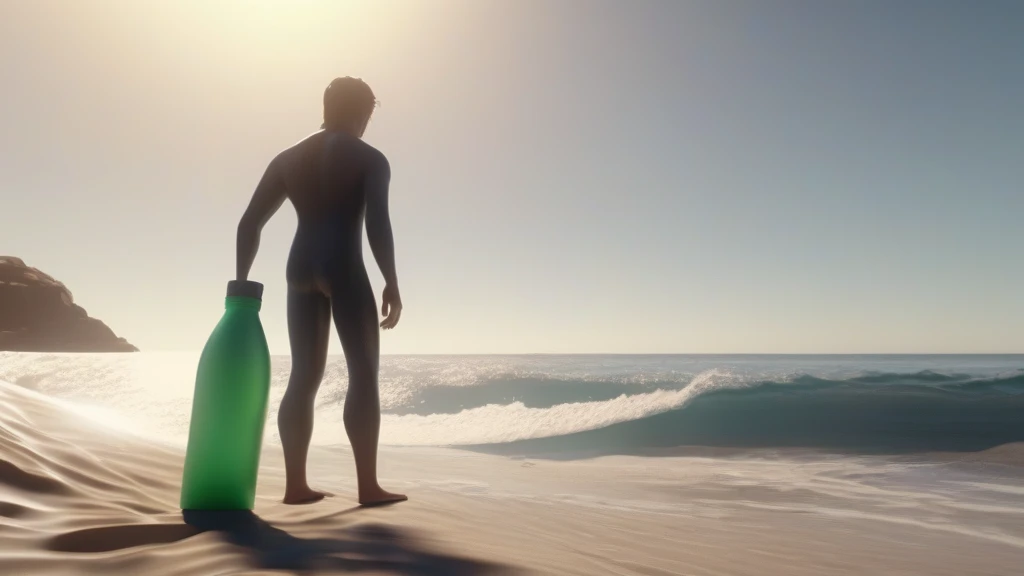
Staying hydrated is essential for anyone leading an active lifestyle, especially those who engage in physically demanding activities like surfing, gym workouts, hiking, or other outdoor adventures. But when it comes to choosing a water bottle, one of the most important factors to consider is capacity. Selecting the right size can make the difference between convenient hydration and an inconvenient, bulky accessory that either runs out too quickly or weighs you down.
In this article, we’ll explore how to determine the optimal water bottle capacity for various activities, balancing your hydration needs with portability, durability, and style.
Understanding Hydration Needs Based on Activity Type
Active Water Sports: Surfing and Beyond
Water sports such as surfing demand endurance, agility, and consistent hydration to maintain peak performance and safety. Because these activities often take place in environments where access to fresh water is limited, having an adequate supply on hand is crucial.
- Recommended Capacity: Medium to large bottles (500 ml to 1000 ml) are ideal.
- Why: Surf sessions can last from 1 to 3 hours or more, and physical exertion combined with sun exposure increases fluid loss.
- Considerations: Bottles designed for water sports often feature rugged, durable materials that withstand saltwater exposure and rough handling. Compact, ergonomic designs with secure lids help prevent spills when moving between waves.
Gym and Fitness Workouts
For gym-goers and fitness enthusiasts, hydration needs vary by workout intensity and duration but generally require easy access to water during exercise.
- Recommended Capacity: Small to medium bottles (200 ml to 500 ml).
- Why: Shorter, high-intensity sessions typically need frequent sips rather than large volumes at once.
- Considerations: Lightweight bottles with quick-access spouts or flip tops support seamless hydration during workouts. A slim profile fits easily in gym equipment holders or backpacks.
Hiking and Trail Activities
Hiking and trail running demand larger water reserves, especially on longer routes or in hot, dry conditions, where refilling options may be scarce.
- Recommended Capacity: Medium to large bottles (500 ml to 1000 ml), or multiple bottles.
- Why: Longer duration and higher exertion levels increase the risk of dehydration; carrying enough water is vital.
- Considerations: Bottles with ergonomic grips and durable construction help withstand outdoor elements. Bright, colorful designs also aid visibility on the trail or in a packed bag.
Everyday and Casual Use
For daily errands, office use, or casual outings, hydration needs are generally moderate.
- Recommended Capacity: Small to medium bottles (200 ml to 500 ml).
- Why: Convenience and portability take priority over volume.
- Considerations: Stylish bottles that blend function with personal expression suit this scenario, often featuring vibrant color palettes or sleek finishes.
Balancing Capacity with Portability and Convenience
While it might seem logical to always carry the largest bottle to maximize hydration, there are trade-offs to consider:
- Weight and Bulk: Larger bottles hold more water but add weight and can be cumbersome, especially during high-movement activities like surfing or trail running.
- Ease of Use: Smaller bottles are easier to carry and drink from quickly but may require frequent refills.
- Storage: Consider where you’ll store your bottle—whether it’s in a surf bag, gym locker, backpack side pocket, or bike cage—and choose a size that fits comfortably.
An ideal approach is to match bottle size not only to your hydration needs but also to how easily you can carry and access it during your activity.
Material and Design Features That Complement Capacity
Choosing the right capacity is just one piece of the puzzle. The material quality and ergonomic design of the water bottle dramatically influence how well it fits your lifestyle.
- Durability: Bottles made from sturdy, impact-resistant materials withstand outdoor conditions and rough handling, which is particularly important for active water sports and hiking.
- Grip and Shape: Ergonomic designs with comfortable grips allow for easy handling during movement, reducing the likelihood of drops.
- Color and Style: Vibrant colors and modern styling not only help you express your personality but also make your bottle easier to spot among gear or on a crowded gym bench.
- Ease of Access: Wide-mouth openings, flip-top lids, or straw mechanisms facilitate quick hydration without interrupting your flow.
Practical Tips for Choosing the Right Water Bottle Capacity
- Assess Your Activity Duration and Intensity: The longer and more intense the activity, the larger the water volume you'll need.
- Factor in Environmental Conditions: Hotter weather and direct sun exposure increase sweat loss and hydration requirements.
- Consider Your Carrying Method: If you’ll be carrying your bottle all day, opt for a lighter, more compact size.
- Plan for Refills: If access to water sources is readily available, smaller bottles may suffice.
- Test Different Sizes: Try out different capacities during your activities to see what feels comfortable and meets your needs.
Conclusion: Hydration Meets Lifestyle
Choosing the right water bottle capacity is a personalized decision that depends on your activity type, duration, environment, and style preferences. Whether you’re catching waves, pounding the pavement at the gym, trekking rugged trails, or simply staying hydrated throughout the day, selecting a bottle that balances volume with durability, portability, and design will enhance your experience.
By understanding your hydration needs and evaluating bottle features thoughtfully, you can confidently select a water bottle that keeps you refreshed, energized, and ready for whatever your active lifestyle throws your way.