
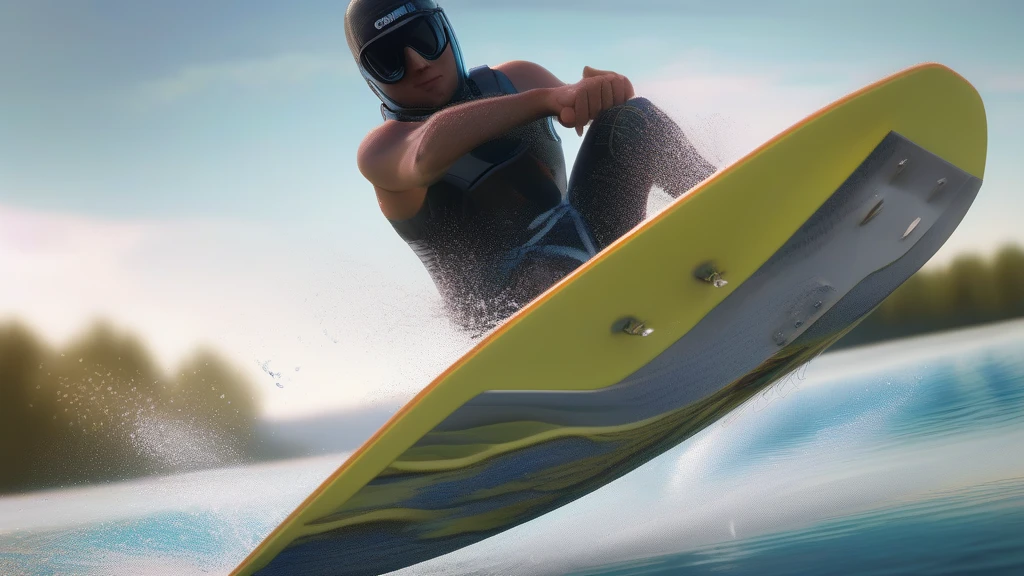
Wakeboarding is a dynamic water sport that combines speed, balance, and agility to deliver thrilling rides and jaw-dropping tricks. At the heart of this experience lies the wakeboard itself, a finely engineered piece of gear tailored to help riders glide smoothly across the water, maintain control, and execute maneuvers with precision. Among the many features that influence a board’s performance, the fin setup plays a crucial role in determining stability, tracking, and responsiveness. Whether you’re a beginner learning the ropes at a cable park or an advanced rider chasing aggressive turns behind a boat, understanding fin configurations will help you choose the right wakeboard to match your style and skill.
In this article, we’ll explore the spectrum of fin setups—from no-fin cable boards to quad fin arrangements—and explain how each option affects your ride. We’ll also discuss how to select the best fin configuration based on your preferred riding environment, skill level, and performance goals.
Understanding Wakeboard Fins: What Do They Do?
Fins on a wakeboard act much like the keel of a boat or the rudder on a surfboard. They provide directional stability and help the rider hold a straight line when being towed. By cutting through the water, fins improve tracking, reduce slipping sideways (known as “side slip”), and enhance edge hold during turns and landings.
The number, size, shape, and placement of fins influence how the board behaves:
- More fins generally increase grip and control but can reduce looseness and make spins or slides more challenging.
- Fewer fins or no fins offer a freer, more playful feel but may sacrifice stability and tracking.
- Fin size and rake (angle) affect maneuverability and responsiveness, with larger or more aggressively raked fins offering stronger hold but potentially less agility.
Knowing how these variables interact enables riders to optimize their fin setup to suit different water conditions, riding disciplines, and progression stages.
No-Fin Cable Boards: Freedom and Forgiveness
Cable parks present a unique wakeboarding environment—riders are pulled by overhead cables instead of boats. This setting often involves more technical features like rails, sliders, and kickers, with less emphasis on maintaining straight-line speed and more on tricks that require easy spins and slides.
Why Choose No-Fin Boards?
No-fin wakeboards are specifically designed for cable park use, featuring:
- Enhanced slide ability: Without fins, the board glides effortlessly sideways on obstacles and water, making tricks like presses and boardslides smoother.
- Forgiving feel: Beginners benefit from less edge catch, reducing the risk of falls during learning.
- Reinforced edges: Because cable parks involve sliding on metal and plastic features, these boards often have durable rails and edges to withstand abrasion.
Considerations
While no-fin boards excel in cable parks, they can feel loose or unstable behind a boat, especially at higher speeds. Riders who split their time between boat and cable may opt for boards with removable fins to adapt to both environments.
Single and Twin Fin Setups: Balanced Control
Single fin and twin fin configurations are common among beginner and intermediate wakeboarders, offering a balance between stability and maneuverability.
Single Fin
- Placement: Centered near the tail.
- Benefits: Provides solid tracking and improved straight-line stability; ideal for riders focusing on carving and cruising.
- Limitations: Less grip during aggressive turns or landings; can feel restrictive for freestyle tricks.
Twin Fin
- Placement: Two fins symmetrically placed near the edges of the tail.
- Benefits: Offers more edge hold than a single fin, while maintaining some looseness for spins and slides.
- Ideal for: Riders progressing through freestyle techniques who want better control without sacrificing playfulness.
Tri-Fin Setup: Versatile Performance
The tri-fin (or thruster) setup, popularized in surfing, has found its place in wakeboarding as well. It usually includes one larger center fin flanked by two smaller side fins.
Advantages
- Enhanced tracking: The center fin provides straight-line stability.
- Improved maneuverability: Side fins add edge control during turns and landings.
- Balanced feel: Suitable for riders who want to mix freestyle tricks with carving and jumping.
Who Should Consider It?
Intermediate to advanced riders who want a versatile board that performs well in varied conditions and supports a wide range of riding styles.
Quad Fin Setup: Maximum Control and Responsiveness
Quad fin setups consist of four fins—two on each side—offering the highest level of grip and control.
Why Opt for Quad Fins?
- Superior edge hold: Ideal for aggressive carving and sharp turns.
- Increased pop and lift: Fins help channel water flow, enhancing jumps and landings.
- Enhanced stability at high speeds: Perfect for competition-level wakeboarding and advanced riders pushing their limits.
Downsides
- Can feel less forgiving for beginners.
- Reduced freedom to slide or spin compared to fewer fins or no fins.
- Slightly increased drag, which may affect speed.
Adjustable and Removable Fin Systems
Modern wakeboards often come with adjustable or removable fin systems, allowing riders to customize their setup without needing multiple boards.
Benefits
- Adaptability: Switch from no fins for cable parks to twin or quad fins for boat riding.
- Progression: Change fin size or configuration as skills develop.
- Maintenance: Replace damaged fins easily to extend board life.
When choosing a board, look for fin systems that are tool-free or use simple screws for quick changes.
Matching Fin Setups to Riding Style and Skill Level
| Skill Level | Riding Environment | Recommended Fin Setup | Notes |
|---|---|---|---|
| Beginner | Boat or cable park | Single or twin fins; removable fins | Prioritize stability and forgiveness |
| Intermediate | Boat and cable | Twin or tri-fin setups | Balance control and playfulness |
| Advanced/Professional | Boat | Quad fins or adjustable fin systems | Focus on control, edge hold, and responsiveness |
| Cable Park Specialist | Cable park only | No-fin or minimal fin boards | Maximize slide and trick potential |
Additional Tips for Choosing and Using Fins
- Consider the rocker profile: Boards with aggressive 3-stage rocker may benefit from more fins to stabilize the pop, while continuous rocker boards can be paired with fewer fins for smooth carving.
- Experiment with fin size: Larger fins provide more hold but can make the board feel less lively; smaller fins do the opposite.
- Regularly inspect fins: Check for cracks or damage after rides, especially if you frequently hit rails or shallow water.
- Practice with different setups: If possible, try demoing boards with different fin configurations to discover what feels best for your style.
Conclusion
The fin setup is a vital component shaping how a wakeboard rides, turns, and responds under varying conditions. From the freedom of no-fin cable boards to the precision control offered by quad fins, understanding these configurations empowers riders to tailor their equipment to their unique needs and aspirations. Whether you’re just starting out and seeking confidence on the water, or a seasoned athlete chasing the perfect carve or jump, selecting the right fin setup can make a significant difference in your wakeboarding experience.
By considering your riding environment, skill level, and preferred style, and by exploring adjustable fin options, you can find a wakeboard setup that enhances your performance, fosters progression, and maximizes enjoyment on every ride.