
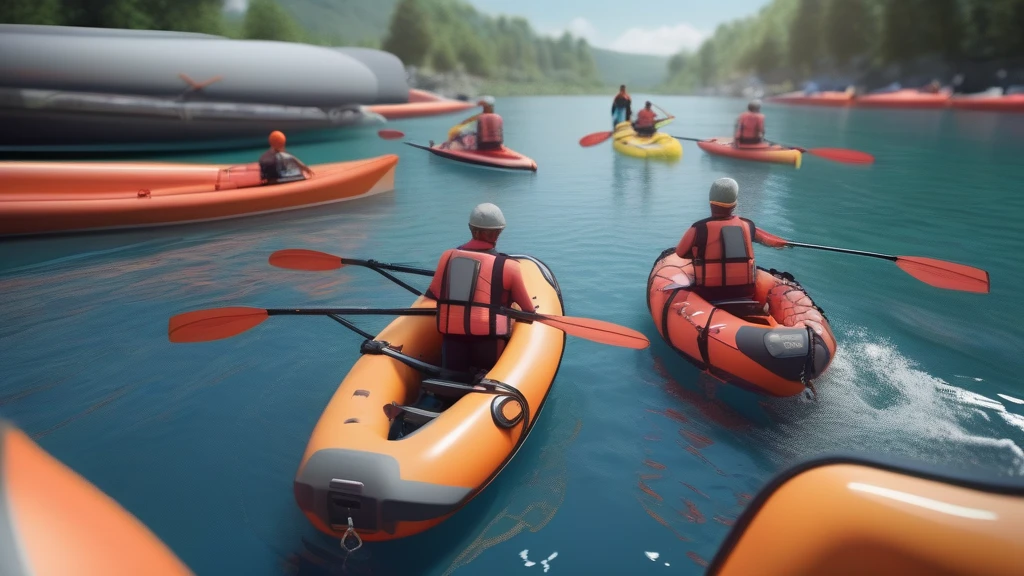
When it comes to water safety, a life jacket is your most essential piece of equipment. However, not all life jackets are created equal. The variety of water sports and boating activities calls for different types of personal flotation devices (PFDs) tailored to specific safety needs, comfort preferences, and environmental conditions. Understanding the distinctions between life jacket types, materials, and features will help you make an informed choice that maximizes safety while enhancing your water experience.
In this guide, we’ll explore how to match the right life jackets to your particular water activity. Whether you’re kayaking, fishing offshore, sailing, paddleboarding, or preparing for emergency rescue situations, we’ll break down the key factors and product characteristics so you can select the optimal life jacket for your needs.
Understanding US Coast Guard Life Jacket Types
The foundation of choosing the right life jacket starts with knowing the US Coast Guard (USCG) classification system. Life jackets are divided into five main types based on their buoyancy level, intended use, and design characteristics:
-
Type I: Offshore Life Jackets
Designed for maximum buoyancy (usually 22 lbs or more), Type I jackets are ideal for open water and rough conditions where rescue may be delayed. They provide automatic turning ability to keep an unconscious wearer face-up. These are preferred by commercial mariners and offshore fishermen. -
Type II: Near-Shore Buoyant Vests
Offering moderate buoyancy (typically around 15.5 lbs), Type II jackets are suited to calm, inland waters where quick rescue is likely. They provide less turning capability but are generally more comfortable for continuous wear. -
Type III: Recreational Life Jackets
With standard buoyancy (usually 15.5 lbs), Type III jackets are designed for active water sports such as kayaking, paddleboarding, and sailing. They prioritize freedom of movement and comfort, suitable for users who remain conscious and able to assist themselves. -
Type IV: Throwable Devices
These are not wearable but include items like ring buoys and throwable cushions. They are intended for emergency use to aid someone already in the water. -
Type V: Special Use Devices
These are specialized jackets designed for specific activities such as windsurfing, whitewater rafting, or work vests for rescue personnel. They often have additional features or flotation tailored to the activity.
Matching Life Jackets to Specific Water Activities
Offshore Boating and Commercial Fishing: Type I Jackets
For offshore mariners and commercial fishermen venturing into open and rough waters, safety is paramount. Type I life jackets are engineered to provide maximum flotation and automatic face-up positioning even if the wearer is unconscious. These jackets often feature:
- Durable, UV-resistant materials such as ripstop nylon or marine-grade vinyl that withstand harsh saltwater environments.
- Closed-cell foam flotation cores for reliable buoyancy that won’t compress over time.
- Adjustable and reinforced buckles and quick-release mechanisms for secure fit and emergency removal.
- High-visibility colors like bright orange combined with reflective tape to aid in rescue.
- Emergency light mounts and whistles for signaling.
Their bulkier design can be less comfortable for prolonged wear but the safety trade-off is critical for high-risk offshore scenarios.
Kayaking and Paddleboarding: Type III Recreational Life Jackets
Active paddlers require life jackets that balance safety with mobility. Type III life jackets excel here by offering:
- Ergonomic fits with tapered cuts allowing free arm and torso movement.
- Lightweight, breathable polyester shells and hybrid foam cores that provide buoyancy without bulk.
- Adjustable straps around the waist and shoulders for a snug, secure fit.
- Bright colors and reflective accents for visibility on lakes and rivers.
- Additional features like rescue handles for quick grabs in emergencies.
Some models incorporate inflatable bladder technology, allowing for compact packing and increased buoyancy on demand, perfect for long excursions or multi-sport use.
Sailing and Recreational Boating: Type II and Type III Jackets
Sailors and casual boaters often operate near shorelines or in relatively calm waters, making Type II and Type III life jackets suitable options:
- Type II jackets provide moderate buoyancy and are typically less bulky, offering comfort for all-day wear. They often include collars to help keep a wearer’s head above water.
- Type III jackets favored by sailors combine flotation with ergonomic design, often featuring anti-slip materials and reinforced seams to endure rigging and movement on deck.
- Many life jackets in this category come with whistles, reflective strips, and emergency light mounts to enhance safety during low visibility conditions.
Family and Youth Water Activities: Comfortable and Safe Options
When it comes to families, especially those with children, life jackets must combine safety certifications with comfort and fit:
- Youth life jackets are sized specifically to ensure a secure fit that prevents slipping off.
- Soft, durable materials like polyester with closed-cell foam cores provide reliable flotation without restricting movement.
- Bright colors (yellow, orange, red) and reflective tape improve visibility.
- Many models include quick-release buckles and adjustable straps for easy on/off and a customizable fit.
- Some youth life jackets also feature integrated harnesses for toddlers to prevent unintentional slipping out.
Emergency Rescue and Work Use: Type V Special Use Life Jackets
For rescue personnel and workers involved in water-based operations, Type V life jackets offer specialized features:
- Hybrid designs combining foam and inflatable bladders for high buoyancy and compactness.
- Heavy-duty marine-grade materials resistant to abrasion, chemicals, and UV exposure.
- Multiple attachment points for tools and rescue equipment.
- Built-in emergency lights, whistles, and rescue handles for quick identification and assistance.
- Certifications often include ISO and TÜV alongside USCG approval, reflecting stringent performance standards.
Material Innovations and Sustainability in Life Jackets
Modern life jackets are more than just safety gear; they reflect growing trends in environmental responsibility:
- Eco-conscious manufacturing incorporates biodegradable coatings and recyclable foams to reduce environmental impact.
- Materials like ripstop nylon and polyester are chosen for durability and UV resistance, extending product lifespan and reducing waste.
- Some manufacturers use low carbon footprint processes and water-based adhesives instead of solvents.
- Inflatable life jackets reduce foam use and bulk, making them lighter and easier to transport, contributing to less material consumption overall.
When selecting a life jacket, considering these sustainable features supports broader environmental stewardship of aquatic ecosystems.
Key Safety Features to Consider
Beyond the type of life jacket, look for these essential safety features regardless of activity:
- Buoyancy rating appropriate to your weight and activity level.
- Adjustable and reinforced buckles for a secure fit that won’t loosen during movement.
- High-visibility colors such as orange, yellow, or red combined with reflective tape or glow-in-the-dark strips for enhanced rescue visibility.
- Quick-release mechanisms for emergency removal without fumbling.
- Whistles and emergency light mounts integrated into the design for signaling.
- Rescue handles or grab loops that facilitate assistance by others.
- Anti-slip surfaces to prevent the jacket from shifting during active use.
Proper Fit and Maintenance Tips
A life jacket’s effectiveness depends heavily on fit and upkeep:
- Ensure the jacket fits snugly without restricting movement. Adjustable straps at the shoulders, waist, and sides help customize the fit. Children’s jackets should never be too large.
- Try the jacket on in water if possible to confirm buoyancy and comfort.
- Inspect regularly for wear and tear: Check buckles, straps, seams, and flotation material for damage.
- Rinse with fresh water after use in saltwater to prevent corrosion and material degradation.
- Store in a cool, dry place away from direct sunlight to preserve materials and coatings.
- Test inflatable life jackets according to manufacturer instructions to ensure inflation mechanisms work properly.
Routine maintenance extends the lifespan of your life jacket and ensures reliable performance.
Conclusion
Choosing the right life jacket means matching the US Coast Guard type and specific design features to your water activity—whether it’s offshore fishing, kayaking, sailing, or family fun. Prioritize safety certifications, buoyancy requirements, fit, and comfort, and consider modern innovations like inflatable technology and sustainable materials.
By understanding these critical factors and product characteristics, you can confidently select a life jacket that provides maximum protection, enhances your comfort on the water, and supports environmental responsibility. Remember, the best life jacket is the one you wear consistently and maintain properly—your ultimate safeguard on every aquatic adventure.