
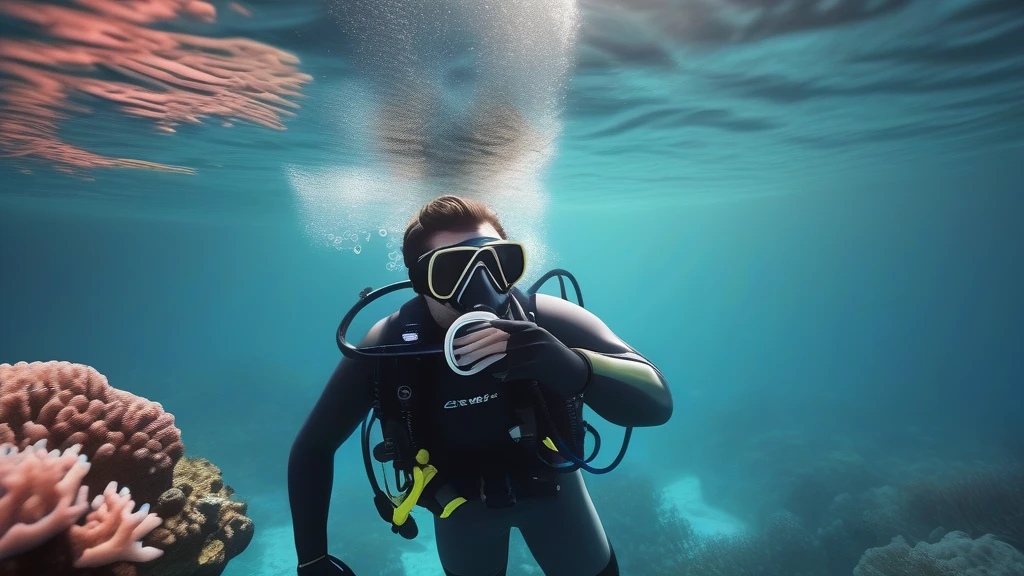
Underwater photography is a captivating way to explore and capture the vibrant marine world. Whether you’re an amateur snorkeler or a professional diver, having the right diving mask is crucial for achieving sharp, clear images while maintaining comfort during your underwater adventures. The mask you choose directly affects your field of vision, ease of breathing, and how long you can comfortably stay submerged. This comprehensive guide will help you understand the essential features to look for in a diving mask tailored for underwater photography, enabling you to maximize both visibility and comfort beneath the waves.
Understanding the Unique Needs of Underwater Photography Masks
Underwater photographers face distinct challenges compared to recreational divers or snorkelers. The mask must offer a wide, distortion-free field of view to frame shots accurately, minimize refraction to prevent image distortion, and provide a comfortable, secure fit for extended periods of use. Additionally, certain technical features in lenses and mask design greatly enhance image clarity and user experience.
Why Visibility Matters Most
For underwater photography, your mask acts as your primary visual interface with the environment. A mask with a wide field of vision helps you keep track of marine life and your surroundings without constantly adjusting your head position. Distortion-free lenses allow you to see your subjects as they truly appear, which is essential for composing high-quality photos or videos.
Comfort for Long Sessions
Photographers often spend longer durations underwater than casual snorkelers, sometimes holding still to capture the perfect moment. A mask that fits comfortably without pressure points or leaks is essential to avoid distractions and discomfort that can ruin your shoot.
Key Features to Consider When Selecting a Mask for Underwater Photography
Lens Type and Material
Most diving masks use tempered glass lenses due to their durability and safety. For photography, tempered glass provides a clear, scratch-resistant surface that withstands underwater conditions. Additionally, some lenses come with special coatings:
- Anti-fog coatings reduce condensation buildup, maintaining clarity.
- Hydrophobic coatings repel water droplets, improving visibility.
- Polarized lenses reduce surface glare, which can be helpful when shooting near the water’s surface.
- UV-protective coatings shield your eyes from harmful ultraviolet rays, especially during extended daylight sessions.
Choosing a mask with one or more of these treatments can significantly enhance your underwater vision and photo quality.
Lens Configuration: Single vs. Dual Lens
Masks come in single-lens or dual-lens configurations.
- Single-lens masks provide a continuous, unobstructed view, which is beneficial for photographers who need to scan wide scenes or track moving subjects.
- Dual-lens masks often offer a more customizable fit and can accommodate corrective lenses if you require vision correction underwater.
For photographers prioritizing a panoramic field of view, a single-lens design typically offers superior visibility.
Frame Design and Volume
The frame holds the lenses and connects to the skirt and straps. When selecting a mask for photography, consider:
- Low to medium internal volume: Lower volume masks sit closer to your face, reducing buoyancy and making equalization easier. This design also minimizes distortion by reducing the air space between your eyes and the lens.
- Frameless or flexible frame: Frameless masks are lighter and offer a wider field of view, enhancing comfort and visibility. Flexible frames adapt better to facial contours, reducing pressure points.
Skirt and Strap Material
The skirt and strap create the seal between the mask and your face. For comfort and leak prevention:
- Look for eco-friendly, hypoallergenic silicone skirts that conform well to different face shapes.
- Adjustable or quick-release silicone straps allow you to customize the fit easily, ensuring the mask stays secure without overtightening.
- A well-designed skirt also prevents water intrusion, which can cause distractions and discomfort during photography sessions.
Field of View (FOV)
Wide or panoramic visibility is a top priority for underwater photographers. Masks with extended peripheral vision help you monitor your surroundings and react quickly to marine life or changing conditions without moving your head excessively.
Matching Your Mask to Your Face Shape and Skill Level
Face Shape Considerations
A good fit starts with your face shape. Masks come in various skirt designs to accommodate different facial structures:
- Oval or round faces generally benefit from masks with a softer, more flexible skirt.
- Angular or square faces often require skirts with a firmer seal and slightly larger skirts to prevent leaks.
- Narrow faces should look for masks with smaller internal volumes and slimmer skirts.
Trying on masks or checking user reviews for fit comments can help you find the best match for your face shape.
Skill Level and Activity Type
- Beginners may prefer masks with medium volume and wider skirts for easy equalization and comfort.
- Experienced freedivers and underwater photographers often select low-volume masks to reduce drag and improve maneuverability.
- Professional photographers might prioritize durability, advanced lens coatings, and features like quick-release buckles for efficient gear management.
Maintenance Tips to Preserve Clarity and Comfort
Even the best mask won’t perform well if not properly maintained. To extend the life of your underwater photography mask:
- Rinse with fresh water immediately after each use to remove salt, sand, and debris.
- Use a gentle, non-abrasive cleaner designed for silicone and glass to prevent damage.
- Avoid touching the inside of the lenses with your fingers to preserve anti-fog coatings.
- Store your mask in a protective case to prevent scratches and deformation.
- Apply a safe, non-toxic anti-fog solution before dives to keep your vision clear.
Safety and Environmental Considerations
When choosing a mask, consider certifications like ISO, CE, or TÜV, which verify product safety and manufacturing standards. Additionally, many manufacturers now focus on sustainability, using eco-friendly silicone and recyclable materials that reduce environmental impact—a valuable consideration for divers who care about preserving marine ecosystems.
Final Thoughts
Selecting the right diving mask for underwater photography involves balancing visibility, comfort, fit, and technical features tailored to your specific needs. Prioritizing a wide, distortion-free field of view, durable tempered glass lenses with anti-fog and hydrophobic coatings, and a comfortable, secure fit will enhance your underwater shooting experience. Pair this with proper maintenance and an awareness of safety and sustainability considerations, and your underwater photography sessions will be clearer, more enjoyable, and more successful.
By investing time in choosing the appropriate mask, you set the foundation for capturing breathtaking images that truly reflect the beauty of the underwater world.