
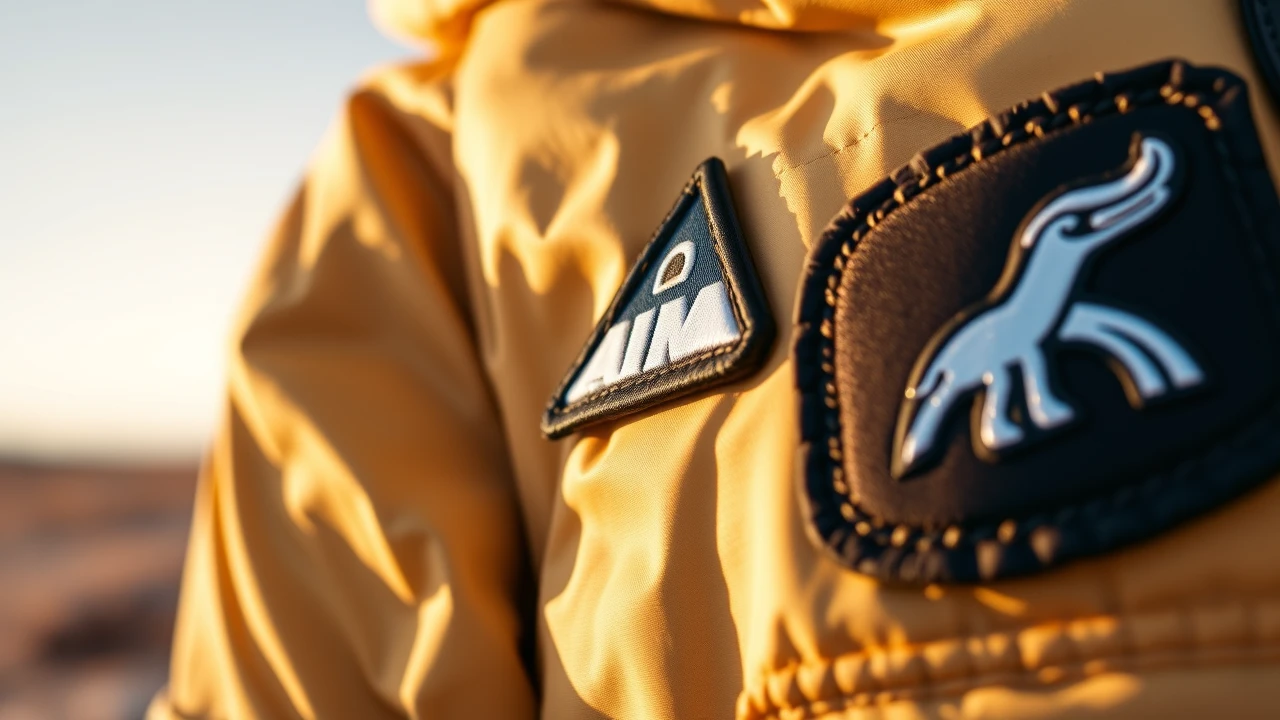
Fabric patches have become a popular way to personalize apparel, gear, and accessories with creativity and flair. Whether you're an outdoor enthusiast, a traveler, a parent helping kids customize their backpacks, or a collector of unique designs, selecting the right fabric patch material is essential. It affects not only the look and feel of your patch but also its durability, application method, and suitability for different activities and conditions.
In this article, we’ll explore the key differences between polyester, vinyl, and embroidered fabric patches. Understanding their unique features and benefits will help you make an informed choice tailored to your style, needs, and environment.
Understanding Fabric Patch Materials
Fabric patches come in a variety of materials, each offering distinct advantages and characteristics. Polyester, vinyl, and embroidered patches are among the most common, often chosen for their durability, aesthetic appeal, and versatility.
Polyester Patches: Lightweight and Versatile
Polyester patches are made from synthetic fibers known for strength, flexibility, and resistance to environmental damage. They typically feature vibrant colors and detailed prints, making them a favorite for designs requiring sharp graphics or photographic elements.
Key Characteristics:
- Durability: Polyester is resistant to UV rays and fading, which makes these patches ideal for outdoor use.
- Waterproof and Scratch-resistant: Many polyester patches come with coatings that repel water and resist abrasion.
- Application Methods: Often available as iron-on or sew-on patches, polyester versions are easy to apply and maintain.
- Eco-Friendly Options: Some polyester patches are manufactured with recycled materials and use non-toxic adhesives.
Best Use Cases: Polyester patches work well on activewear, backpacks, hats, and surf gear. Their bright, detailed designs hold up well against sun and water exposure, making them ideal for beachgoers and travelers.
Vinyl Patches: Durable and Weatherproof
Vinyl patches are crafted from a smooth, flexible plastic material that offers excellent resistance to harsh conditions. They often have a glossy or matte finish and can feature embossed or printed designs.
Key Characteristics:
- High Durability: Vinyl is highly resistant to water, UV rays, and chemicals, making it perfect for gear exposed to the elements.
- Scratch and Fade Resistance: These patches maintain their color and finish even after prolonged outdoor use.
- Application Methods: Vinyl patches commonly come with peel-and-stick or sew-on options. Some also feature Velcro backing for easy removal and repositioning.
- Safety Features: Reflective or glow-in-the-dark vinyl patches enhance visibility during nighttime or low-light activities.
Best Use Cases: Outdoor enthusiasts, hikers, and surfers often prefer vinyl patches on backpacks, jackets, and equipment bags due to their weatherproof nature and ease of cleaning.
Embroidered Patches: Classic Texture and Timeless Appeal
Embroidered patches are created by stitching thread onto a fabric backing, resulting in a textured, raised design that adds depth and tactile interest. They are among the most traditional and widely recognized types of patches.
Key Characteristics:
- Timeless Aesthetic: The rich texture and detail of embroidery offer a classic look that suits vintage, collegiate, and custom designs.
- Durability: High-quality embroidery can endure washing and wear but may be less waterproof than synthetic options.
- Application Methods: Typically sew-on, embroidered patches can also come with iron-on backing for easier attachment.
- Hypoallergenic and Eco-Friendly: Many embroidered patches use natural or recycled threads and fabrics, appealing to environmentally conscious crafters.
Best Use Cases: Embroidered patches are perfect for denim jackets, hats, kids’ school bags, and collectors’ items where style and tactile quality matter most.
Factors to Consider When Choosing Your Patch Material
Selecting the right fabric patch involves balancing durability, appearance, application method, and specific user needs.
Activity and Environment
- Outdoor Activities: If your patch will face rain, sun, and rough handling, vinyl or polyester with waterproof and UV-resistant features are preferable.
- Indoor or Light Use: Embroidered patches offer beautiful texture for fashion and light daily wear.
- Safety Needs: For visibility during nighttime, opt for vinyl patches with reflective or glow-in-the-dark technology.
Application Method and Skill Level
- Iron-On and Peel-and-Stick: Ideal for beginners or quick customization; polyester and vinyl patches often come with these options.
- Sew-On: Offers the most secure attachment and is preferred for embroidered patches or heavy-duty use.
- Velcro Backing: Provides flexibility to change patches frequently, common with vinyl styles.
Sustainability and Care
- Choose patches made with recycled or eco-friendly materials and adhesives.
- Follow care instructions to maintain patch vibrancy, such as gentle washing and avoiding harsh detergents.
- Consider patches with scratch-resistant coatings to extend lifespan.
Tips for Maintaining and Styling Fabric Patches
Maintenance
- Remove patches before machine washing garments when possible, or use gentle cycles.
- Avoid high heat drying; air dry patches to prevent warping or adhesive damage.
- For vinyl and polyester, wipe clean with a damp cloth to remove dirt without damaging finishes.
Styling Ideas
- Mix embroidered patches with vinyl or polyester ones on backpacks or jackets to create layered textures and visual interest.
- Use reflective vinyl patches on cycling gear or hiking backpacks for added safety.
- Personalize kids’ school items with fun, colorful polyester patches that can withstand playground wear.
- Add vintage embroidered patches to denim or canvas bags for a timeless look.
Conclusion
Choosing the right fabric patch material depends on your lifestyle, the intended use of the patch, and your aesthetic preferences. Polyester patches stand out for vibrant, durable designs suited to active outdoor use. Vinyl patches excel in weather resistance and safety features, making them favorites for rugged gear. Embroidered patches bring classic texture and a timeless appeal, perfect for fashion and collectible items.
By understanding these differences and considering application methods, environmental impact, and care requirements, you can confidently select fabric patches that complement your style, support your activities, and last through countless adventures. Whether you’re customizing surfboards, backpacks, jackets, or kids’ belongings, the right patch material can transform ordinary items into unique expressions of personality and purpose.