
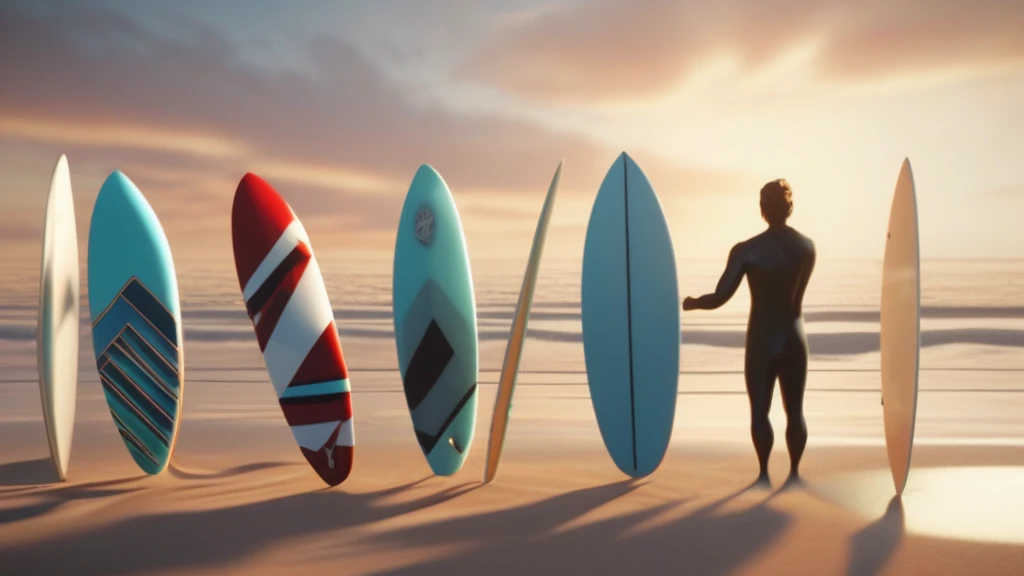
Shortboard surfboards are synonymous with high-performance surfing. Designed for agility, speed, and precision on short to medium waves, these boards empower surfers to execute quick maneuvers and freestyle tricks. However, selecting the right shortboard is not a one-size-fits-all decision; it depends heavily on your skill level, surfing style, and typical wave conditions. This guide will help surfers—from first-timers stepping into shortboarding to advanced riders chasing competitive precision—choose the ideal shortboard surfboard tailored to their needs.
Understanding Shortboard Characteristics
Before diving into skill-specific recommendations, it's essential to understand the key characteristics that define shortboards and impact their performance:
- Construction Materials: Lightweight but durable materials such as epoxy, fiberglass, carbon fiber, and polyurethane foam are common. Many boards now feature eco-friendly materials and biodegradable coatings, reflecting the growing commitment to sustainability.
- Rocker Profiles: The curve of the board from nose to tail varies—flat, moderate, continuous, or hybrid—affecting speed, maneuverability, and control.
- Tail Shapes: Squash, swallow, bat, round, and pin tails each influence how the board handles turns and wave conditions.
- Fin Systems: Thruster (three fins), quad (four fins), twin (two fins), and single fin setups offer different stability and responsiveness, often with detachable fins for customization.
- Safety Features: Anti-slip decks, reinforced fins, scratch-resistant surfaces, and compliance with safety certifications (ISO, CE, TÜV) ensure durability and user protection.
- Portability and Accessories: Many shortboards come with carry bags, fin sets, leashes, repair kits, and wax kits—ideal for surfers who travel frequently.
Choosing a Shortboard Based on Skill Level
1. First-Timers and Intermediate Surfers
If you’re new to shortboarding or transitioning from a longboard, look for boards that balance performance with forgiveness.
Key Features to Consider:
- Construction: Epoxy boards with polyurethane foam cores offer lightweight durability and extra buoyancy, making paddling and wave catching easier.
- Rocker Profile: Moderate rocker is ideal—it provides enough curve to maneuver without sacrificing paddling speed.
- Tail Shape: Squash tails are widely recommended for beginners and intermediates because they offer a stable yet responsive ride.
- Fin Setup: A thruster fin system (three fins) provides a good balance of control and stability, helping new surfers develop basic turning skills.
- Size and Volume: Choose a slightly longer shortboard (around 6’0” to 6’4”) with extra volume to aid stability and wave catching.
Example Scenario:
An intermediate surfer practicing freestyle maneuvers on moderate waves might choose a 6’2” epoxy shortboard with a squash tail and thruster fins. This setup offers enough responsiveness to develop new tricks while maintaining stability.
2. Advanced and Competitive Surfers
For surfers with solid technical skills seeking maximum performance in shortboard surfing, the focus shifts to precision, responsiveness, and adaptability to various wave conditions.
Key Features to Consider:
- Construction: Carbon fiber reinforced boards provide exceptional stiffness and energy transfer, enhancing speed and control during aggressive maneuvers.
- Rocker Profile: Continuous or hybrid rocker profiles improve maneuverability on steep, fast waves.
- Tail Shape: Pin or swallow tails allow sharper turns and better grip on the wave face, essential for high-performance surfing.
- Fin Setup: Quad fin systems offer increased speed and hold, while thrusters remain popular for their balanced control. Some advanced surfers switch between fin setups depending on wave conditions.
- Size and Volume: Shorter boards (5’6” to 6’0”) with lower volume cater to quick, radical turns but require excellent paddling ability and wave judgment.
Example Scenario:
An advanced surfer competing in beach breaks with fast, hollow waves might select a 5’10” carbon fiber shortboard with a swallow tail and quad fin setup. This combination maximizes speed and control for rapid, fluid maneuvers.
Matching Shortboards to Wave Conditions and Surfing Style
Choosing the right shortboard also depends on the typical waves you ride and your preferred surfing style.
- Small to Medium Waves (1-4 feet): Boards with flatter rockers and squash tails excel here, promoting speed and easy paddling.
- Steep, Hollow Waves: Boards with continuous rockers and pin tails provide better hold and maneuverability.
- Freestyle and Tricks: Hybrid rocker profiles and bat or swallow tails enhance quick directional changes and aerial maneuvers.
- Cruising and Flow Surfing: Moderate rocker and round tails create smooth, flowing turns.
Fin Systems: Impact on Performance and Customization
Understanding fin configurations helps tailor your board to your skill and conditions.
- Thruster (3 fins): The standard for control and stability; ideal for learners and all-around performance.
- Quad (4 fins): Increases speed and hold, especially in fast waves; preferred by advanced surfers.
- Twin (2 fins): Offers looseness and speed but less control; suitable for experienced surfers who want a skate-like feel.
- Single Fin: Classic setup offering stability, mostly found on retro shortboards or hybrid designs.
Choosing boards with detachable fins enables you to swap setups depending on conditions and skill progression.
Material Choices: Balancing Durability, Weight, and Sustainability
Materials influence board performance and environmental impact:
- Epoxy and Polyurethane Foam: Lightweight and buoyant; epoxy is more durable and less prone to dings.
- Fiberglass: Traditional material offering flexibility and strength; slightly heavier.
- Carbon Fiber: Extremely stiff and lightweight; preferred by pros for responsiveness.
- Eco-Friendly Options: Boards using recycled EPS foam, bio-resins, and biodegradable coatings reduce environmental footprint without compromising performance.
For surfers conscious about sustainability, seeking boards made with recyclable components and certified eco-friendly processes is increasingly accessible.
Maintenance Tips for Long-Lasting Performance
- Wax Application: Use surfboard-specific wax to maintain grip on the anti-slip deck. Clean and reapply regularly, especially after saltwater exposure.
- Repairs: Carry a compact repair kit for quick fixes on dings or scratches, preserving structural integrity.
- Storage: Avoid prolonged sun exposure; store boards in padded bags when traveling to protect from impacts and UV damage.
- Fin Care: Remove fins during transport to prevent damage; clean and check for wear regularly.
Safety and Certification: What Surfers Should Know
Safety features like reinforced rails and scratch-resistant surfaces improve board longevity and user protection. Compliance with international certifications such as ISO, CE, and TÜV ensures manufacturing standards meet safety and quality benchmarks. Beginners should prioritize certified boards with anti-slip surfaces and sturdy fins to reduce injury risk.
Travel-Friendly Features and Accessories
Many shortboards are designed with portability in mind:
- Carry Bags: Padded, durable bags protect boards during transit.
- Detachable Fins: Allow compact packing and customization.
- Accessory Kits: Leashes, wax kits, and repair kits included to keep you ready for surf anywhere.
For traveling surfers, these conveniences make shortboarding more accessible and hassle-free.
Conclusion
Selecting the right shortboard surfboard is a blend of understanding your skill level, preferred surfing style, and common wave conditions. Beginners benefit from stable, moderately rockered boards with thruster fins and forgiving tail shapes, while advanced surfers thrive on lightweight, carbon fiber boards with customized fin setups and aggressive rocker profiles. By considering construction materials, environmental impact, safety certifications, and maintenance needs, you can find a shortboard that supports your growth, performance, and enjoyment of the waves. With the right choice, your shortboard becomes not just equipment but an extension of your surfing expression.