
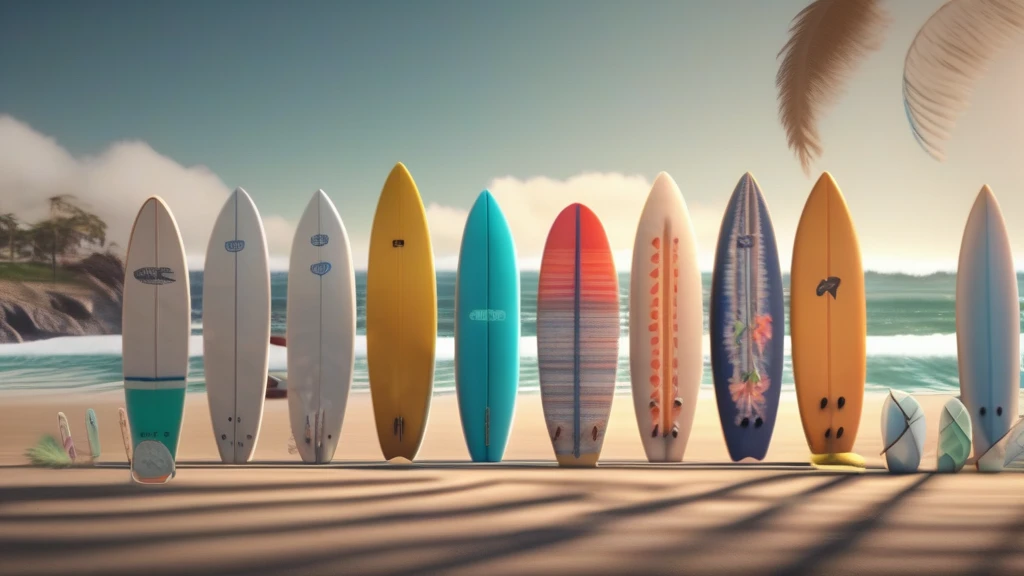
Surfing is an exciting sport that combines balance, agility, and a love for the ocean. Whether you're just starting out or you're looking to refine your technique, choosing the right surfboard is essential to making the most of your time on the waves. With the variety of surfboards available today—especially in the soft top and hybrid categories designed for recreational and beginner use—it’s important to understand which features align best with your skill level. This guide will help you navigate the options, focusing on durability, safety, environmental responsibility, and performance to help you find the ideal board whether you’re a first-timer or an advanced surfer.
Understanding Surfboard Types for Different Skill Levels
Surfboards are available in many shapes, sizes, and constructions. For beginners and recreational surfers, soft top and hybrid boards dominate the market due to their ease of use and safety features. Advanced surfers often transition to more performance-oriented boards, but even then, understanding the right design elements is crucial.
Beginner Surfboards: Soft Top Boards
Soft top surfboards are the gold standard for people new to surfing, including children, families, and surf schools. These boards typically feature:
- Durable foam cores: Impact-resistant and buoyant, foam cores provide stability and absorb shocks, reducing the risk of injury.
- Soft rails and decks: Cushioned edges and anti-slip surfaces enhance safety, making falls less painful and improving grip.
- Wide, stable shapes: The boards have a broad outline and generous volume, which helps maintain balance on the water.
- Moderate to low rocker profiles: This means the board is relatively flat from nose to tail, making it easier to paddle and catch waves.
- Eco-friendly materials: Many soft tops now incorporate recyclable, biodegradable components and UV-resistant skins to extend lifespan without harming the environment.
For example, a typical beginner soft top board might measure between 7 to 9 feet in length, with a tri-fin setup that balances stability and maneuverability. These fins are often removable, allowing easy customization for different wave conditions or user preferences.
Intermediate Surfboards: Hybrid Designs
Once you’ve mastered the basics, you might look to hybrid surfboards that blend elements of soft tops with harder, more performance-oriented materials. These boards often feature:
- Composite cores: Combining foam with fiberglass or epoxy layers for enhanced rigidity and responsiveness.
- Moderate rocker and narrower shapes: Providing better maneuverability without sacrificing too much stability.
- Improved fin configurations: Single or twin fins for smoother turns and quicker response.
- Portability features: Compact designs and included carry bags for convenience when traveling to diverse surf spots.
Hybrid boards are great for casual beachgoers who want to progress beyond the beginner stage but still value durability and ease of handling.
Advanced Boards: Performance Focused
Though this article is primarily focused on beginner and intermediate boards, it’s worth noting that advanced surfers often opt for traditional hardboards with:
- Lightweight fiberglass or epoxy shells for speed and responsiveness.
- Higher rocker profiles to handle steep, powerful waves.
- Custom fin setups tailored for precision control.
For those transitioning from beginner soft tops, understanding these differences helps in planning your surfing journey.
Key Features to Match Your Skill Level
When selecting a surfboard based on your experience, consider the following crucial features:
Stability and Volume
- Beginners need volume: More volume means more flotation, which aids balance and wave catching.
- Wider boards: Provide a bigger platform to stand on.
- Soft tops excel here, offering forgiving stability.
Safety Elements
- Soft rails and decks: Reduce injury risk during falls.
- Impact-resistant foam cores: Absorb shocks better than hard boards.
- Anti-slip surfaces: Keep your feet planted even when wet.
Maneuverability and Control
- Fin configurations: Tri-fin (thruster) setups offer balanced control and are common on beginner and hybrid boards. Single fins favor straight-line speed but less turning agility.
- Rocker profile: Lower rocker aids paddling for beginners, while a slightly higher rocker improves turning for intermediates.
Durability and Environmental Responsibility
- UV-resistant skins and waterproof composites: Protect boards from sun damage and water infiltration.
- Eco-friendly materials: Many manufacturers use recyclable or biodegradable foam and skins, appealing to environmentally conscious surfers.
- Certifications: Look for ISO or CE compliance that ensures quality and safety standards.
Portability and Convenience
Beginners and families benefit from boards that are easy to carry and transport:
- Built-in handles
- Included carry bags
- Lightweight construction
These features make it simpler to get the board to the beach and store it between sessions.
Matching Surfboard Types to User Profiles
For Kids and Young Beginners
- Kids’ soft top boards: Shorter (around 5 to 6 feet) with extra buoyancy.
- Safety-focused features: Soft edges, anti-slip decks, and bright colors for visibility.
- Often come with beginner-friendly accessories like leashes and repair kits.
For Adult Beginners and Families
- Long soft top boards (7-9 feet): Offer maximum stability and ease of catching waves.
- Multi-fin thruster setups: Enhance control without complexity.
- Boards may include instructional materials or come bundled with wax kits to help novices get started.
For Surf Schools and Casual Enthusiasts
- Durable, versatile longboards: Designed to withstand frequent use by multiple users.
- Hybrid boards with reinforced composites: Balance durability with improved performance.
- Eco-friendly certifications: Important for organizations promoting responsible ocean use.
For Intermediate Surfers
- Hybrid soft tops with composite cores provide a step up in responsiveness.
- Moderate rocker and narrower outlines allow more dynamic wave riding.
- Removable fins let users customize setups for different conditions.
Accessories and Maintenance Tips for Beginners
Choosing the right surfboard is just the first step. Supporting gear and proper care will enhance your surfing experience:
- Leashes: Prevent your board from drifting away after a wipeout.
- Wax kits: Improve grip on the deck.
- Repair kits: Help patch dings and keep your board in top shape.
- Instructional guides or apps: Offer tips on paddling, popping up, and wave selection.
Regularly rinse your board with fresh water to remove salt and sand, and store it out of direct sunlight to preserve materials.
Conclusion: Prioritize Safety, Stability, and Sustainability
Selecting the right surfboard for your skill level involves balancing stability, safety, maneuverability, and environmental impact. For first-timers and families, soft top boards with durable foam cores and safety features like soft rails and anti-slip decks are ideal. As you progress, hybrid boards offer a bridge to more performance-driven surfing while still emphasizing durability and eco-friendly materials.
By understanding the core characteristics—such as board shape, fin configuration, rocker profile, and construction materials—you can confidently choose a surfboard that matches your current ability and supports your growth as a surfer. Remember, the right board not only makes learning easier but also enhances your enjoyment and connection with the ocean for years to come.