
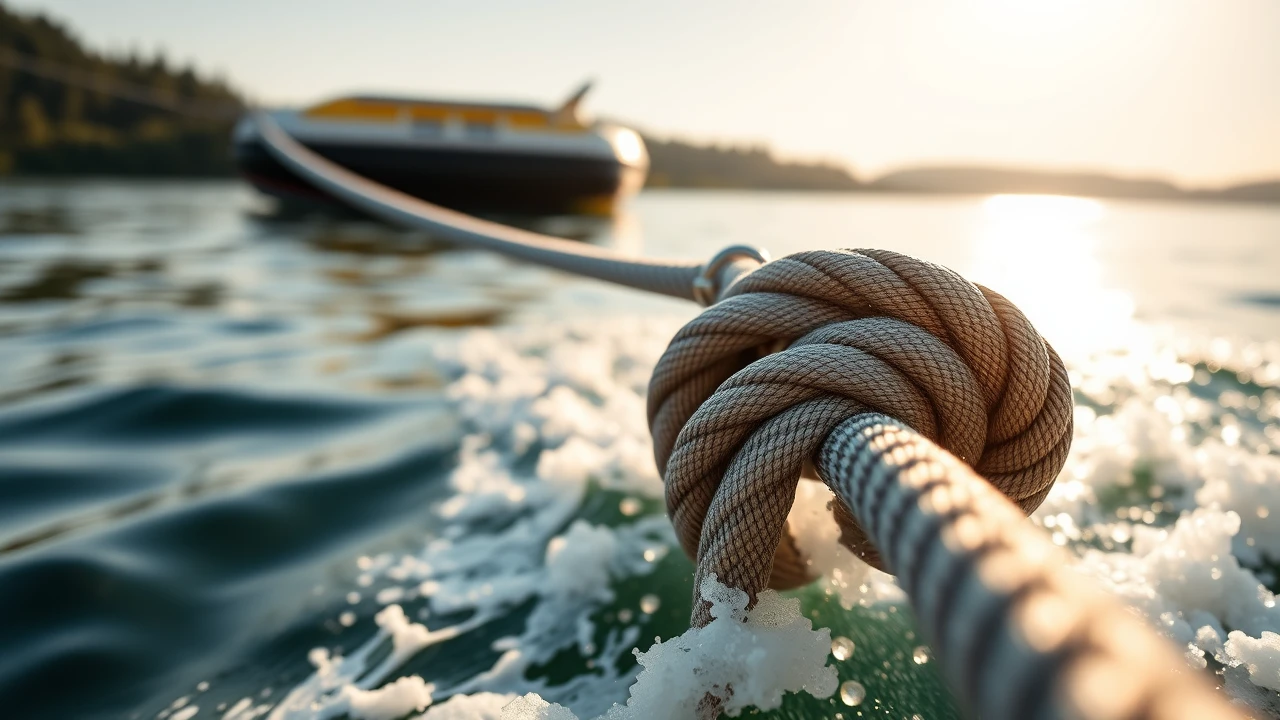
Inflatable tubes offer endless fun on the water, whether you're gliding behind a boat, riding waves on a lake, or enjoying a sunny day at the beach. But behind every exhilarating ride lies an essential piece of equipment: the tow rope. Selecting the right tow rope for inflatable tubes is crucial for safety, performance, and durability. This guide delves into everything you need to know to make an informed choice, from material types and safety features to maintenance tips and environmental considerations.
Understanding Tow Ropes for Inflatable Tubes
Tow ropes specifically designed for inflatable tubes fall under the broader "Ropes & Hardware Cable" category, which focuses on ropes engineered for demanding marine and water sports applications. These ropes are crafted to withstand constant exposure to water, sun, and physical stress, ensuring both rider safety and long-lasting performance.
Key Characteristics of Tow Ropes
- Material Composition: Common materials include nylon, polypropylene, polyester, and braided polyethylene. Each offers unique benefits such as strength, buoyancy, UV resistance, and abrasion resistance.
- Length and Thickness: Tow ropes typically range from 25 to 100 feet in length and 6mm to 12mm in diameter. The right size depends on the activity, boat size, and rider preference.
- Safety Features: Floating or partially floating ropes prevent tangling and enhance visibility. Ergonomically designed handles with EVA foam or rubber grips improve comfort and control. Reinforced loops and quick-release mechanisms contribute to rider safety.
- Certifications: Many ropes comply with TÜV, ISO, CE, and marine safety standards, ensuring reliability under critical conditions.
- Environmental Responsibility: Eco-friendly manufacturing, biodegradable coatings, and recyclable components are increasingly common, reflecting a commitment to sustainability.
Choosing the Right Tow Rope: Factors to Consider
Selecting the perfect tow rope involves balancing several factors related to your specific needs and water activities.
1. Material Selection: Balancing Strength and Buoyancy
- Nylon: Known for exceptional strength and elasticity, nylon absorbs shock loads well, making it ideal for high-impact towing. However, it tends to absorb water and may sink.
- Polypropylene: Lightweight and inherently buoyant, polypropylene ropes float on water, reducing the risk of entanglement. They are resistant to rot and mildew but may have lower tensile strength than nylon.
- Polyester: Offers excellent abrasion resistance and UV stability, with moderate buoyancy. Polyester ropes maintain strength when wet and resist stretching.
- Braided Polyethylene: Durable and buoyant, this material provides a great balance of strength and floatation, often used in high-quality tow ropes.
2. Length and Thickness: Matching Your Setup
- Length: Longer ropes (50-100 ft) allow for safer distances between the boat and rider, reducing wake interference. Shorter ropes (25-40 ft) are more maneuverable, preferred for smaller boats or tight spaces.
- Thickness: Thicker ropes (10-12mm) offer higher tensile strength for larger tubes or heavier riders, while thinner ropes (6-8mm) are lighter and easier to handle for smaller tubes.
3. Safety Features: Enhancing Control and Emergency Readiness
- Floating Ropes: Prevent rope submersion and tangling, making it easier to spot and retrieve in the water.
- Ergonomic Handles: EVA foam or rubber grips reduce hand fatigue and provide a secure hold, especially when wet.
- Reinforced Loops: Strengthened attachment points prevent wear and reduce failure risk.
- Quick-Release Mechanisms: Essential for emergency situations, allowing riders or boaters to disconnect swiftly if needed.
Floating vs. Non-Floating Tow Ropes: What’s the Difference?
Selecting between floating and non-floating ropes can impact both performance and safety.
Floating Tow Ropes
- Advantages: These ropes stay on the water’s surface, reducing the chance of entanglement beneath the rider and making them easier to retrieve. They also improve visibility for both the driver and rider.
- Ideal Use: Best suited for inflatable tubes, wakeboarding, and water skiing where the rope remains in the water for extended periods.
Non-Floating Tow Ropes
- Advantages: Tend to be stronger and more abrasion-resistant, often preferred in rescue or anchoring situations where durability is paramount.
- Considerations: Can sink and tangle more easily, requiring careful handling during tow sports.
Maintenance Tips: Prolonging Tow Rope Life and Ensuring Safety
Proper care extends the service life of your tow rope and maintains safety standards.
- Rinse After Use: Saltwater and chlorine can degrade rope fibers. Rinse thoroughly with fresh water after each use.
- Dry Properly: Store ropes in a cool, dry place away from direct sunlight to prevent UV damage and mildew growth.
- Inspect Regularly: Check for fraying, cuts, or weakened spots, especially around loops and handles. Replace ropes showing significant wear.
- Avoid Abrasion: Prevent dragging ropes over rough surfaces or boat hardware that can cause abrasion.
- Store Correctly: Use included storage bags or spools to keep ropes organized and tangle-free.
Environmental Impact and Sustainability in Tow Ropes
As eco-consciousness grows among water sports enthusiasts, understanding the environmental footprint of tow ropes is important.
- Eco-Friendly Materials: Some manufacturers use biodegradable coatings and recyclable fibers to minimize environmental impact.
- Sustainable Production: Processes that reduce chemical use and waste contribute to greener products.
- Disposal Considerations: Choosing ropes with recyclable components ensures end-of-life disposal is less harmful to aquatic ecosystems.
Safety Protocols and Best Practices for Using Tow Ropes
Safety should always be the top priority when towing inflatable tubes.
- Pre-Ride Checks: Ensure the tow rope is securely attached to both the boat and the tube’s tow point.
- Communication Signals: Establish clear hand signals between the driver and rider for starting, stopping, and emergencies.
- Speed Control: Maintain appropriate speeds for rider skill level and water conditions.
- Avoid Obstacles: Steer clear of shallow areas, docks, and other boats to prevent accidents and rope damage.
- Emergency Preparedness: Use ropes with quick-release features, and keep safety equipment like life jackets accessible.
Final Thoughts: Making the Right Choice for Your Water Adventures
Choosing the right tow rope for inflatable tubes involves considering material properties, safety features, length, and environmental impact. A well-selected rope enhances enjoyment, maximizes safety, and withstands the rigors of water sports. By understanding these factors and maintaining your rope properly, you ensure countless thrilling and safe rides on the water.
Whether you are a casual weekend rider or a dedicated water sports enthusiast, investing time in selecting and caring for the right tow rope pays off in performance, reliability, and peace of mind.