
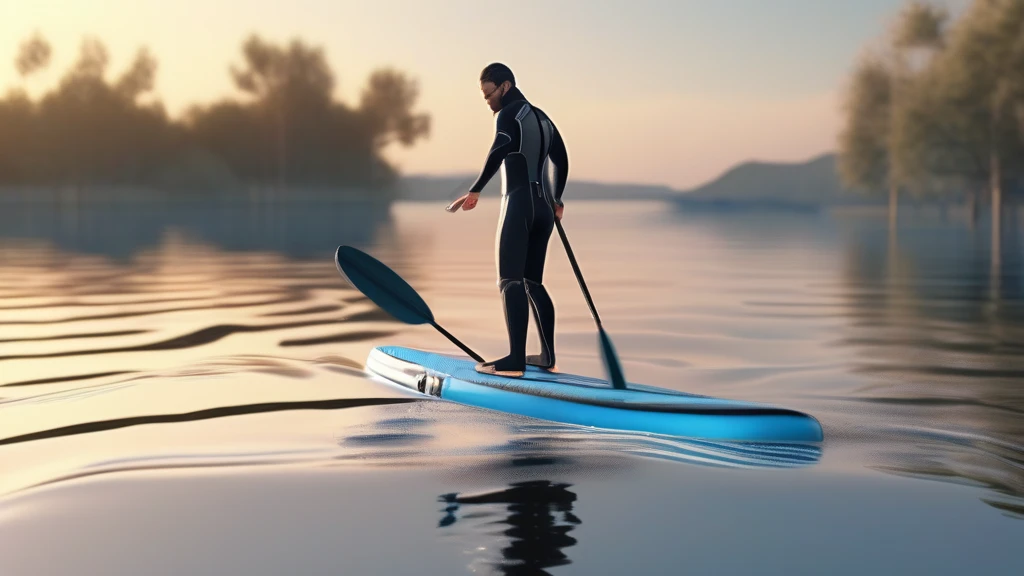
Engaging in paddleboarding and kayaking opens up thrilling opportunities to explore waterways, connect with nature, and get a full-body workout. Whether you’re gliding across calm lakes or navigating crisp coastal waters, the right wetsuit plays a crucial role in enhancing your comfort, safety, and performance. Selecting a wetsuit designed specifically for these activities requires balancing mobility with waterproofing and thermal protection. This guide delves into the essential factors to consider when choosing wetsuits for paddleboarding and kayaking, helping you make an informed decision that suits your needs and values.
Understanding the Role of Wetsuits in Paddleboarding and Kayaking
Wetsuits serve as a protective barrier that traps a thin layer of water between your skin and the suit, which your body then warms. This insulation helps regulate your core temperature in colder water conditions, reducing the risk of hypothermia. Beyond thermal protection, wetsuits for paddle sports must accommodate freedom of movement and resist water penetration from splashes and wind, which can quickly sap body heat.
Why Mobility Matters
Paddleboarding and kayaking demand a wide range of upper body motions, including reaching, paddling, and twisting. Restrictive wetsuits can hinder stroke efficiency, increase fatigue, and detract from overall enjoyment. Therefore, wetsuits with multi-directional stretch fabrics and ergonomic paneling are essential to provide maximum flexibility without compromising fit.
Importance of Waterproofing and Wind Resistance
While wetsuits are designed to allow some water in for insulation, effective water repellency on the surface combined with windproof panels minimizes heat loss and improves comfort. Paddleboarding and kayaking often expose you to wind chill, especially when moving at speed or during cooler seasons, so waterproofing features become vital.
Key Features to Look for in Paddleboarding and Kayaking Wetsuits
Choosing the ideal wetsuit involves evaluating specific design elements that optimize both mobility and waterproofing.
1. Material Technology: Eco-Friendly Neoprene and Stretch Fabrics
Modern wetsuits often utilize limestone-based neoprene or recyclable neoprene alternatives, which not only reduce environmental impact but also offer excellent flexibility and durability. Multi-directional stretch panels strategically placed across the shoulders, arms, and torso enhance range of motion critical for paddling strokes.
Look for wetsuits that combine thermal insulation with lightweight construction, using thinner panels (around 2-3mm) in high-mobility areas and thicker neoprene (up to 5mm or more) in the core to maintain warmth without bulk.
2. Seam Construction: Reinforced and Waterproof
Seams are potential weak points for water ingress and wear. High-quality wetsuits feature blindstitched or taped seams that provide waterproof sealing and increased durability. Reinforced seams also reduce chafing during repetitive paddling motions, improving comfort on long excursions.
3. Ergonomic Paneling and Activity-Specific Cuts
Wetsuits designed for paddle sports often include articulated paneling that follows natural body contours and movement patterns. For example, sleeveless or short-sleeve models enhance arm mobility, while full-length suits with stretch panels provide additional warmth and protection in cooler conditions.
Gender-specific cuts ensure better fit and flexibility, accommodating differences in body shape to maximize comfort and performance.
4. Thermal Insulation for Water Temperature
Water temperature varies widely depending on location and season, making thermal rating a critical consideration. For warmer conditions, thinner wetsuits (2mm to 3mm) or shorty suits offer adequate protection without overheating. In colder waters, thicker suits (4mm to 7mm) with insulated panels preserve core warmth.
Layering with neoprene tops or vests can also provide customizable warmth without restricting movement.
5. Additional Functional Features
- UV Resistance: Protects skin from sun exposure during long paddling sessions.
- Windproof Panels: Reduce heat loss from wind chill on exposed surfaces.
- Quick-Dry and Abrasion-Resistant Materials: Increase durability and convenience.
- Safety Enhancements: High-visibility colors or reflective panels improve visibility on the water, while integrated emergency whistle attachments offer added security.
- Anti-Slip Surfaces: Help maintain grip inside the kayak or on the paddleboard deck.
Environmental Considerations: Choosing Sustainable Wetsuits
Increasingly, water sports enthusiasts seek gear that aligns with eco-conscious values. Many wetsuit manufacturers now emphasize low carbon manufacturing processes and utilize biodegradable coatings, recyclable neoprene, and other sustainable materials. Selecting wetsuits made with these technologies supports ocean conservation efforts and minimizes your environmental footprint.
Caring for Your Wetsuit: Maintenance Tips to Prolong Lifespan
Proper care extends the usability and performance of your wetsuit, protecting your investment.
- Rinse Thoroughly After Use: Freshwater rinse removes salt, sand, and chlorine residues that degrade neoprene.
- Dry Inside Out First: Prevents moisture buildup and odor.
- Store Flat or Hanging: Avoid folding or creasing to maintain shape.
- Repair Small Tears Promptly: Use repair patches or neoprene cement to fix minor damage.
- Avoid Prolonged Sun Exposure: UV rays can weaken neoprene material over time.
Making the Right Choice: Matching Wetsuit to Your Experience and Conditions
Beginners might prefer suits with more buoyancy and warmth to build confidence, while experienced paddlers often prioritize mobility and lightweight design. Consider your typical paddling environment, water temperature, and session length when selecting thickness and features.
For example, a lightweight 3mm wetsuit with sleeveless design and windproof panels might be perfect for summer coastal paddleboarding, whereas a 5mm full suit with reinforced seams and thermal lining suits colder, open-water kayaking.
Conclusion
Choosing the right wetsuit for paddleboarding and kayaking involves a thoughtful balance of mobility, waterproofing, and thermal protection tailored to your activity style and environmental conditions. Prioritizing flexible, eco-friendly materials with ergonomic design and reinforced waterproof seams ensures both comfort and performance on the water. Additionally, integrating safety features and adopting proper maintenance habits will maximize your wetsuit’s lifespan and reliability.
With these insights, you can confidently select a wetsuit that not only enhances your paddling experience but also aligns with sustainable practices and long-term value. Whether exploring serene lakes or challenging coastal waters, the right wetsuit will keep you comfortable, safe, and ready for adventure.