
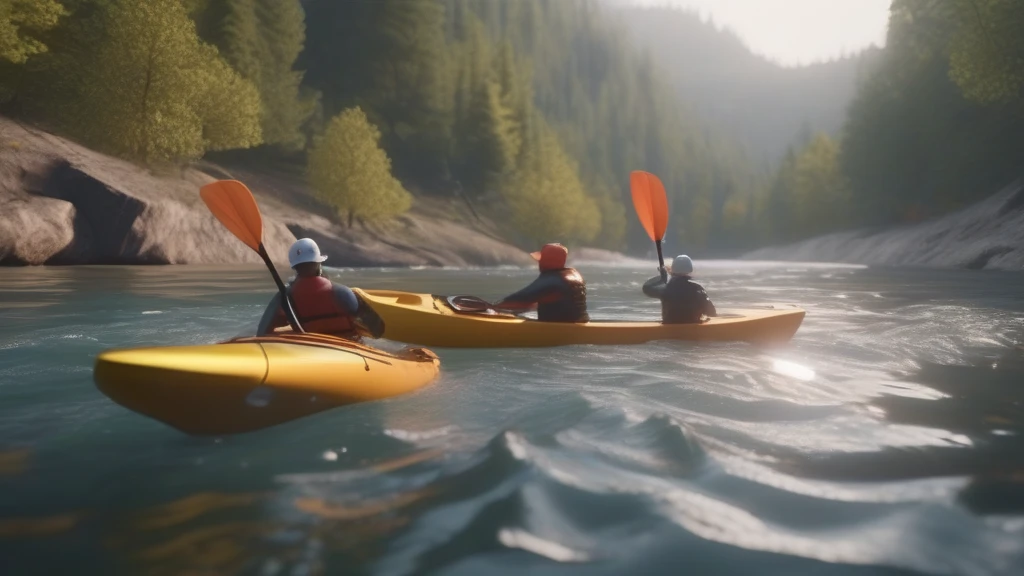
Whitewater kayaking is an exhilarating sport that demands a blend of skill, endurance, and the right equipment. While the term "whitewater kayaks" often conjures images of navigating rapid rivers, the category also includes high-performance sea and touring kayaks designed for adventurous paddling in coastal, tidal, and open-water environments. This guide will help you match kayak types to your skill level—from beginner to expert—so you can confidently select a whitewater kayak that suits your current abilities and supports your progression.
Understanding Whitewater Kayaks: A Focus on Touring and Sea Kayaks
Before diving into skill-level recommendations, it’s important to clarify that many kayaks in this category emphasize touring and expedition-style designs rather than extreme river rapids. These kayaks excel in stability, speed, and endurance, ideal for coastal exploration, tidal navigation, and long-distance lake excursions. Constructed from advanced materials like carbon fiber, Kevlar, fiberglass, or durable polyethylene, they balance lightweight performance with resilience against UV damage and water impact.
Common features include adjustable seating for comfort during extended paddling, spray skirts to keep water out, skegs for directional control, and ample storage via deck bungees and watertight hatches. Many models offer portability enhancements such as foldable frames or integrated carrying systems, making transport and storage easier for solo or tandem trips.
With this context, let’s explore how kayaks vary by skill level and what features to prioritize as you develop your paddling expertise.
Kayaks for Beginners: Stability and Ease of Use
Key Characteristics
- Material: Rotomolded polyethylene or high-density polypropylene for durability and affordability.
- Design: Wider hulls to maximize stability; flat or slightly rounded bottoms.
- Length: Typically shorter (around 10-12 feet) for easier maneuverability.
- Weight: Heavier construction is acceptable as speed and weight are less critical.
- Features: Basic adjustable seating, simple spray skirts, and open cockpit designs.
- Safety: US Coast Guard or CE certification providing peace of mind.
- Portability: Often not foldable but with built-in handles or shoulder straps.
Why Beginners Benefit
For novices, stability is paramount. Wider, more stable hulls reduce the risk of tipping, which builds confidence on the water. Heavier materials like rotomolded polyethylene withstand bumps and scrapes, ideal for learning environments near lakes or calm tidal bays. Shorter lengths improve turning agility, making it easier to practice basic paddling techniques.
Practical Advice
- Choose kayaks with comfortable, adjustable seats to avoid fatigue.
- Consider models with simple skegs or rudders to assist with straight tracking.
- Look for designs with accessible storage for essential gear like water bottles and safety whistles.
- Ensure the kayak is compatible with a variety of paddle types, including reinforced plastic paddles, which are robust and budget-friendly for beginners.
Intermediate Kayaks: Balancing Performance and Endurance
Key Characteristics
- Material: Fiberglass or thermoformed ABS for a balance of weight and durability.
- Design: Sleek, narrower hulls with moderate rocker for better speed and tracking.
- Length: Longer kayaks (12-15 feet) for improved glide and efficiency.
- Weight: Lighter than beginner models, aiding endurance paddling.
- Features: Enhanced adjustability in seating, spray skirts designed for tidal and coastal use, and skegs for enhanced directional control.
- Portability: Some models offer foldable designs or compact profiles for easier transport.
- Certifications: TÜV or ISO standards in addition to USCG or CE for added safety assurance.
Why Intermediate Paddlers Benefit
As skills improve, paddlers seek kayaks that support longer excursions and more varied water conditions, such as coastal bays or tidal estuaries. Intermediate kayaks offer faster hulls that maintain stability but boost speed and efficiency, allowing paddlers to cover greater distances with less fatigue. Materials like fiberglass or thermoformed ABS strike a good compromise between durability and weight, enabling easier handling both on and off the water.
Practical Advice
- Opt for kayaks with adjustable skegs to fine-tune tracking in changing currents.
- Prioritize models with multiple storage hatches and deck bungees for expedition gear.
- Choose seating systems with lumbar support and adjustable foot braces for extended comfort.
- Consider kayaks compatible with feathered or carbon paddles to improve stroke efficiency.
Expert Kayaks: High-Performance Touring and Expedition Models
Key Characteristics
- Material: Carbon fiber and Kevlar composites for ultra-lightweight strength and stiffness.
- Design: Narrow, streamlined hulls with pronounced rocker for maneuverability in tidal currents and waves.
- Length: Longer than 15 feet to maximize speed and glide over open water.
- Weight: Extremely lightweight for portability and rapid acceleration.
- Features: Advanced adjustable seating systems, integrated spray skirts, multiple skegs or rudders, and sophisticated storage compartments.
- Portability: Foldable or modular designs with wheels or integrated carry systems, ideal for solo adventurers.
- Safety: Complies with high safety standards including TÜV and ISO with reinforced hull construction.
Why Experts Require These Features
Expert paddlers engage in multi-day expeditions, long-distance coastal tours, and fitness paddling that demand kayaks optimized for speed, stability in rough tidal waters, and endurance. The lightweight construction reduces fatigue during portages, while advanced hull designs maintain control in challenging conditions. Compatibility with carbon or feathered paddles allows for efficient, powerful strokes over prolonged periods.
Practical Advice
- Select kayaks with ergonomic seating and fine-tuned foot braces for maximum power transfer.
- Invest in models with multiple watertight hatches and deck rigging for extensive gear.
- Look for UV-resistant coatings and durable composites to withstand harsh marine environments.
- Consider kayaks with modular components to customize for solo or tandem use depending on trip demands.
Progressing Your Kayak Choice: From Beginner to Expert
Step 1: Start with Stability and Comfort
Begin your whitewater kayaking journey with a stable, durable kayak built from rotomolded polyethylene or polypropylene. Focus on comfort features like adjustable seats and simple spray skirts. Gain confidence by paddling in calm tidal waters or large lakes.
Step 2: Transition to Lightweight and Efficient Designs
As skills improve, shift to fiberglass or thermoformed ABS kayaks with longer hulls and skegs for better tracking. These kayaks enable you to explore coastal bays and tidal estuaries, extending your range and endurance.
Step 3: Master Speed and Endurance with Advanced Materials
For expert paddlers, carbon fiber and Kevlar kayaks offer unmatched performance. Incorporate advanced paddling techniques and fitness training to maximize your kayak’s potential on multi-day expeditions and challenging tidal waters.
Additional Tips for All Skill Levels
Safety Certifications Matter
Always check for US Coast Guard, TÜV, CE, or ISO certifications. These ensure the kayak meets rigorous safety, durability, and performance standards essential for open-water paddling.
Choose the Right Paddle
Pair your kayak with paddles that suit your skill and style. Beginners may prefer reinforced plastic paddles for durability, intermediates often upgrade to feathered paddles for reduced wind resistance, and experts benefit from carbon fiber paddles for lightness and power.
Maintain Your Kayak
Protect your investment by rinsing your kayak with fresh water after saltwater use, applying UV protectants, and storing it away from direct sunlight. Foldable kayaks require regular inspection of joints and seals to maintain integrity.
Transport and Storage
Foldable or compact kayaks offer ease of transport with integrated shoulder straps or wheels. For non-foldable models, use padded roof racks and kayak covers to prevent damage during travel.
Conclusion
Choosing the right whitewater kayak involves understanding your current skill level, paddling goals, and the water environments you intend to explore. Beginners benefit from stable, durable kayaks designed for calm waters, intermediates progress to lightweight touring models with enhanced speed and control, and experts rely on high-performance carbon or Kevlar composites optimized for endurance and challenging tidal conditions.
By aligning kayak features such as materials, hull design, length, and accessories with your skill progression, you ensure a safer, more enjoyable paddling experience that grows with your abilities. Whether you’re embarking on coastal expeditions, fitness paddling, or extended lake tours, the right whitewater kayak is your gateway to adventure on the water.