
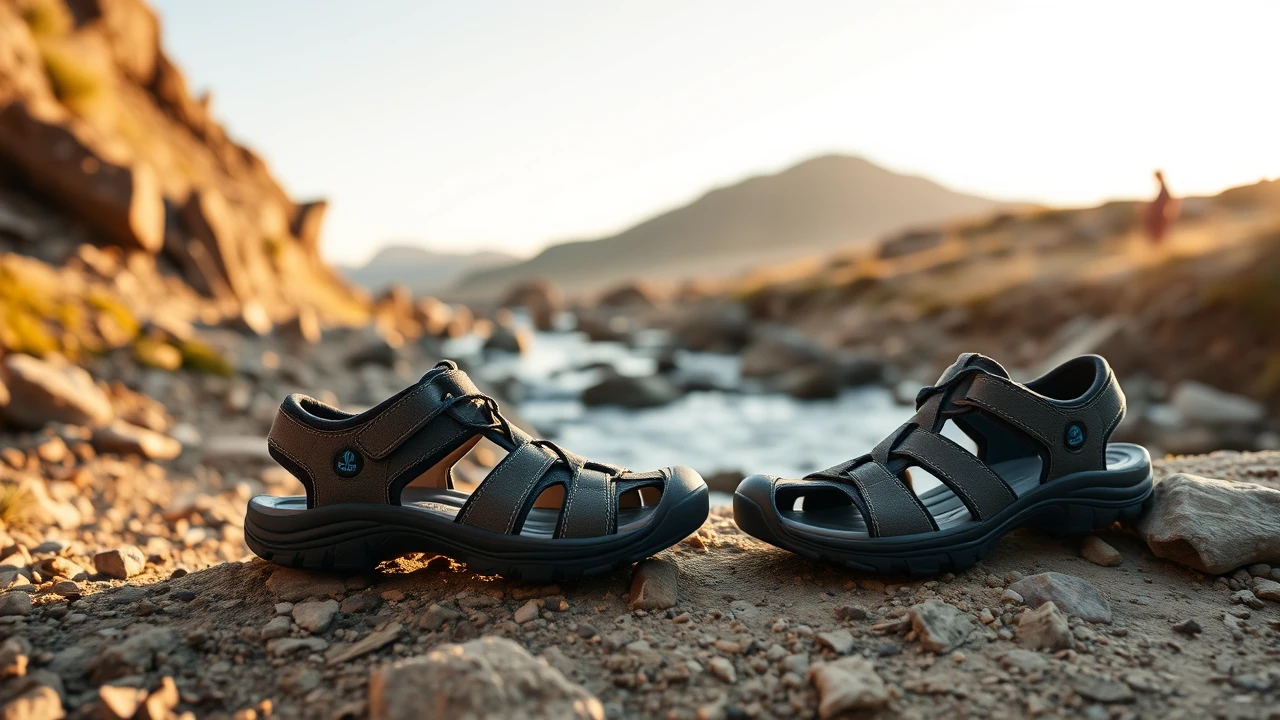
When it comes to outdoor footwear, hiking sandals have become a popular choice for adventurers seeking breathability, comfort, and versatility. Unlike traditional hiking boots, sandals offer a lightweight, quick-drying alternative that can keep your feet cool and comfortable on rugged trails or during water crossings. But within this category, you’ll often find two main types: closed-toe and open-toe hiking sandals. Each design offers unique benefits and potential drawbacks depending on your activity, environment, and personal preferences.
This article explores the key differences between closed-toe and open-toe hiking sandals to help you make an informed decision for your next outdoor adventure.
Understanding Hiking Sandals: More Than Just Footwear
Hiking sandals blend the durability and support of trail shoes with the breathability of sandals. Most models feature:
- Waterproof and quick-dry materials such as neoprene and synthetic leather
- Non-slip, impact-resistant soles for traction on varied terrain
- Adjustable straps and ergonomic footbeds for customized support
- Breathable designs with moisture-wicking and anti-chafing properties
Many hiking sandals incorporate sustainable materials like EVA foam and recyclable components, reflecting growing environmental awareness in outdoor gear.
Closed-Toe Hiking Sandals: Protection Meets Performance
Key Features
Closed-toe hiking sandals have a protective toe cap that covers the front of your foot. This design often resembles a hybrid between a sandal and a hiking shoe, offering more comprehensive foot coverage.
- Toe protection: Shields toes from rocks, roots, and debris
- Durability: Reinforced materials around the toe area resist abrasions
- Secure fit: Full foot coverage reduces risk of slipping inside the shoe
- Water-friendly: Designed for wet conditions without compromising protection
When to Choose Closed-Toe Sandals
Closed-toe sandals excel in environments where trail hazards are common. If your hiking involves rocky paths, dense brush, or frequent river crossings, the toe guard helps prevent cuts, scrapes, and stubbing.
They are also suitable for longer hikes where foot fatigue can be a concern. The added protection and secure fit contribute to better foot stability and reduced injury risk, especially on uneven terrain.
Considerations
While closed-toe sandals provide more protection, they may restrict some airflow compared to open-toe designs. This can cause increased warmth in hot climates, although many models use breathable mesh and quick-dry fabrics to offset this.
Closed-toe sandals tend to weigh slightly more due to the extra materials, which could impact ultra-light hiking preferences.
Open-Toe Hiking Sandals: Maximum Breathability and Freedom
Key Features
Open-toe hiking sandals expose the toes, offering an airy, minimalist feel. This design focuses on lightweight comfort and unrestricted movement.
- Enhanced breathability: Exposes toes to air, reducing sweat and heat buildup
- Lightweight: Less material means less weight on your feet
- Easy drainage: Water flows freely in and out, ideal for water-based activities
- Quick drying: Minimal fabric allows rapid evaporation
When to Choose Open-Toe Sandals
Open-toe sandals are a great choice for warm weather hikes, especially when you expect to be crossing streams, walking on sandy beaches, or trekking through wet environments where feet get soaked frequently.
They are ideal for casual hikers or travelers who want multipurpose footwear that transitions easily from trail to town. The open design also facilitates quick drying and reduces the risk of blisters caused by moisture buildup.
Considerations
The lack of toe protection means open-toe sandals leave your toes vulnerable to stubbing, scrapes, and insect bites. They are less suited for rugged trails with lots of debris or rocky terrain.
Additionally, some hikers find open-toe designs less supportive overall, which might be a drawback during long or challenging hikes.
Comparing Performance: What Matters Most for Your Adventure?
When deciding between closed-toe and open-toe hiking sandals, consider the following factors aligned with your activity and environment:
| Factor | Closed-Toe Sandals | Open-Toe Sandals |
|---|---|---|
| Protection | High – toe caps shield against impacts | Low – toes exposed to external elements |
| Breathability | Moderate – protected but ventilated | High – toes fully exposed to air |
| Weight | Heavier due to additional materials | Lighter, suitable for minimalist hiking |
| Water Drainage | Good – designed to dry quickly | Excellent – open design allows full drainage |
| Terrain Suitability | Rocky, rugged, mixed-terrain trails | Smooth, wet, sandy, or dry easy trails |
| Support & Stability | Enhanced foot stability with full coverage | Less stability, better for casual use |
| Comfort in Heat | Moderate – can be warm in very hot climates | Superior – toes cool and ventilated |
Additional Tips for Choosing Hiking Sandals
1. Prioritize Arch Support and Cushioning
Regardless of toe design, look for sandals with ergonomic footbeds and adjustable arch support. This reduces fatigue and helps prevent common foot issues on long hikes.
2. Check for Non-Slip Soles
Traction is essential. Opt for sandals with durable, impact-resistant soles featuring tread patterns designed for grip on wet and uneven surfaces.
3. Consider Eco-Friendly Materials
Many hiking sandals now use sustainable, recycled, or biodegradable materials. Choosing eco-conscious footwear supports environmental responsibility without sacrificing performance.
4. Adjustable Straps for Custom Fit
Comfort hinges on a secure fit. Adjustable straps around the ankle, heel, and forefoot allow you to tailor the sandal to your foot’s shape and swelling during activity.
5. Evaluate Weight and Packability
If you’re a traveler or backpacker, lightweight and foldable sandals can save space and reduce load.
Final Thoughts: Matching Sandals to Your Hiking Style
Closed-toe hiking sandals offer superior protection and support for rough terrain and extended treks. They are a smart choice for serious hikers who need durable, all-terrain footwear that handles water crossings without sacrificing foot safety.
Open-toe hiking sandals shine in hot climates, casual hikes, and water-centric adventures where breathability and quick drying are priorities. Their lightweight and airy design make them a comfortable option for shorter or less demanding trails.
By assessing your typical hiking environment, trail conditions, and personal comfort needs, you can select the hiking sandal style that best complements your outdoor lifestyle. Whichever you choose, look for quality construction, thoughtful design features, and sustainable materials to ensure your feet stay happy and protected on every adventure.