
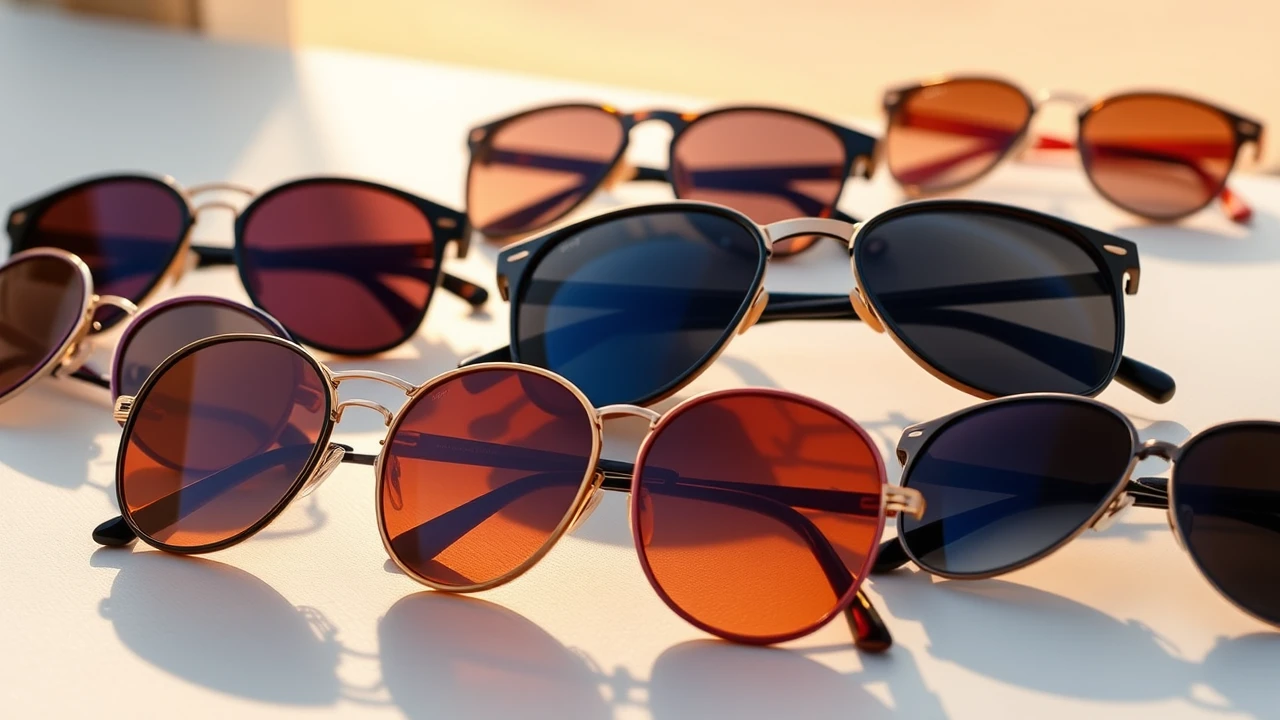
Sunglasses are more than just protective eyewear—they are an essential accessory that blends style, function, and personal expression. While many shoppers focus on lens technology or frame shape, the psychology behind lens and frame colors often goes overlooked. Yet, these color choices can significantly influence how you feel and how others perceive your fashion sense. Understanding the emotional and aesthetic impact of different colors in sunglasses can help you select the perfect pair that not only enhances your vision but also complements your mood and style.
In this article, we explore the fascinating world of color psychology in sunglasses. From lens hues to frame shades, learn how color affects mood, perception, and fashion statements, along with practical guidance on choosing colors that align with your lifestyle and personality.
The Psychology of Lens Colors: Beyond Protection and Clarity
Lens color is a key factor in sunglasses that affects both visual performance and emotional response. While polarized and photochromic lenses improve clarity and comfort, the tint you choose can subtly influence your mood and how you experience your surroundings.
Neutral Tones: Black, Gray, and Brown
Neutral lens colors like black, gray, and brown are classic choices favored for their natural color perception and versatility.
- Gray lenses filter light evenly, preserving true color balance and reducing overall brightness. This neutrality promotes calmness and focus, making gray lenses ideal for everyday use, driving, and urban environments.
- Brown lenses enhance contrast and depth perception by filtering blue light. They evoke warmth and comfort, often associated with outdoor activities such as hiking or beach outings, where enhanced visual definition is beneficial.
- Black lenses offer maximum light reduction and a sleek, sophisticated appearance. They project confidence and mystery, pairing well with formal or minimalist styles.
Vibrant and Colored Lenses: Blue, Green, Pink, Purple
Colored lenses add a layer of emotional expression and can dramatically change the vibe of your sunglasses.
- Blue lenses are calming and serene, often linked to tranquility and focus. They are popular for water sports or casual wear, imparting a fresh, modern look.
- Green lenses balance color perception and reduce glare while providing a soothing effect on the eyes. Green is associated with harmony and balance, making these lenses a great choice for outdoor enthusiasts.
- Pink and purple lenses convey creativity, playfulness, and a youthful spirit. These colors often appeal to trendsetters and those looking to make a bold fashion statement while enjoying moderate glare reduction.
Frame Colors and Their Mood Influence
The color of your sunglass frames contributes just as much to your overall impression and emotional tone as the lenses.
Classic and Neutral Frame Colors
- Black frames are timeless and versatile, symbolizing sophistication and authority. They work well with most outfits and suit various occasions.
- Tortoise or brown frames offer warmth and a vintage charm. They are associated with approachability and comfort, perfect for casual or professional settings.
- Metallic frames in silver, gold, or gunmetal evoke a modern, edgy feel and can convey luxury and confidence.
Bold and Bright Frame Colors
- Red and orange frames radiate energy, passion, and creativity. These colors catch the eye and can add a pop of excitement to your look.
- Blue and green frames suggest calmness and reliability but with a fresh twist, suitable for those who want a stylish yet understated accessory.
- White or pastel frames often convey freshness, innocence, and a youthful vibe. They pair well with light, casual wardrobes.
Combining Lens and Frame Colors for Impact
The interplay between lens and frame colors can amplify your desired mood or fashion statement. For example:
- Pairing brown lenses with tortoise frames creates a warm, cohesive look that feels grounded and natural.
- Combining gray lenses with black frames offers a sleek, professional aesthetic with neutral emotional undertones.
- Experimenting with pink lenses and white frames can produce a playful, trendy vibe ideal for social outings and casual weekends.
When selecting your sunglasses, consider how these combinations resonate with your personality and the environments you frequent.
Practical Tips for Choosing Sunglasses Based on Color Psychology
1. Reflect on Your Lifestyle and Activities
Think about where and when you'll wear your sunglasses. Neutral lenses and frames are versatile for varied settings, while brighter hues may be better suited for casual or recreational use.
2. Match Colors to Your Wardrobe and Skin Tone
Choose frame colors that complement your complexion and clothing style. For instance, warm skin tones often look great with brown or tortoise frames, while cooler skin tones pair well with black or metallic frames.
3. Consider the Emotional Effect You Want to Project
Do you want your sunglasses to communicate professionalism, creativity, confidence, or approachability? Use color psychology as a guide to align your eyewear with your personal brand.
4. Balance Fashion and Function
While vibrant tinted lenses and colorful frames can be eye-catching, ensure they still provide adequate UV protection and visual comfort. Technologies like polarized or photochromic lenses are available in many colors, so you don’t have to sacrifice performance for style.
Enhancing Eye Comfort and Style with Advanced Lens Technologies
Modern sunglasses combine color psychology with cutting-edge optical technologies:
- Polarized lenses reduce glare and enhance contrast, available in multiple tints to suit mood and activity.
- Photochromic lenses adapt to changing light, often available in neutral or subtle colors, offering convenience without compromising style.
- Proprietary technologies that boost color contrast and clarity can be paired with various lens hues to provide both visual enhancement and emotional appeal.
Selecting sunglasses that marry lens technology with thoughtful color choices ensures you get the best of both worlds: eye protection and mood-enhancing style.
Conclusion
Sunglasses are a powerful accessory that goes beyond shielding your eyes—they influence how you feel and how you express yourself. Understanding the psychology behind lens and frame colors empowers you to select eyewear that aligns with your mood, personality, and lifestyle.
Whether you prefer the calming neutrality of gray lenses and black frames or the vibrant energy of pink lenses with colorful frames, your color choices in sunglasses can elevate your fashion statement and daily comfort. By balancing color psychology with advanced lens technologies and durable frame designs, you can confidently choose sunglasses that protect your eyes while enhancing your mood and style in every setting.