
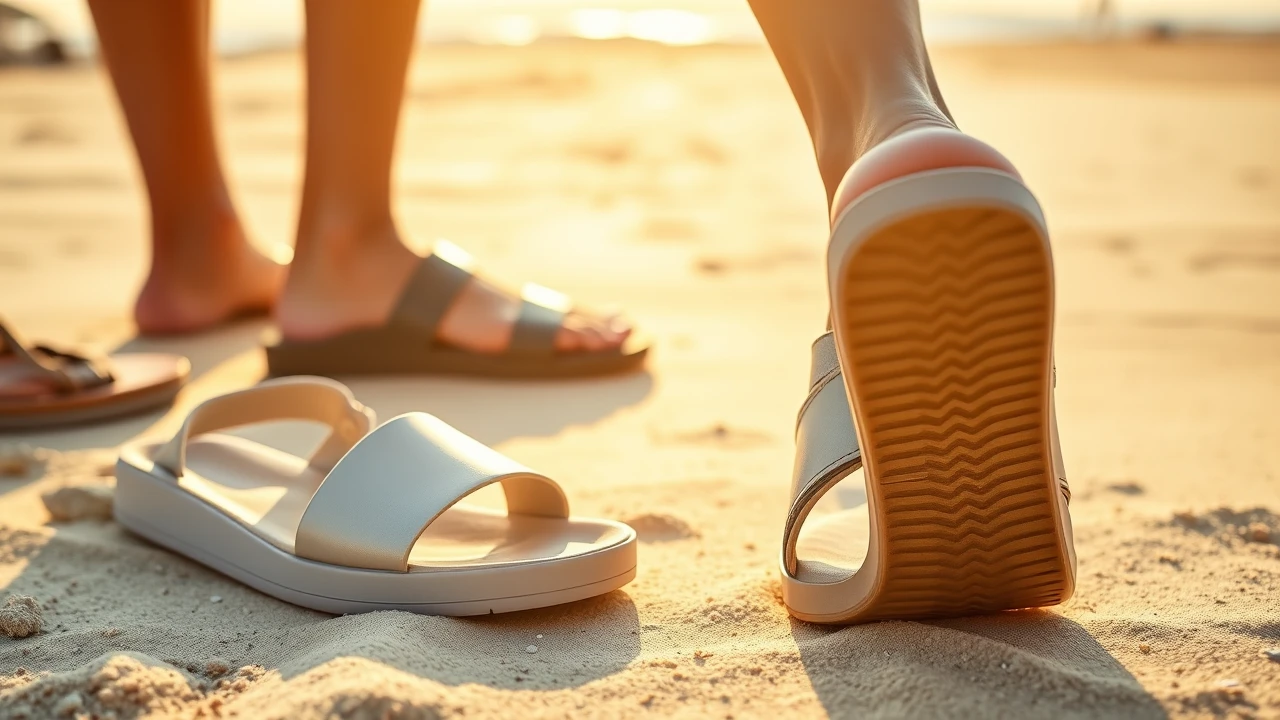
When it comes to sandals, comfort is often the deciding factor between a pair you wear once and a pair you rely on every day. Whether you’re strolling along a beach, navigating city streets, hiking rugged trails, or attending a summer event, sandals must provide consistent support and ease for all-day wear. Yet, comfort means different things depending on your activity, foot shape, and style preferences.
In this article, we’ll take an in-depth look at the key comfort technologies and features that make a genuine difference in sandals today. Understanding these elements will help you choose footwear that supports your lifestyle, protects your feet, and keeps you comfortable no matter where your day takes you.
Understanding Comfort in Sandals: Beyond Basic Cushioning
Comfort in sandals is a multi-dimensional concept encompassing cushioning, support, breathability, fit, and materials. Modern sandals use a blend of innovative technologies and thoughtful design to enhance these aspects.
Cushioning Technologies: The Foundation of Comfort
The sole and footbed are the primary sources of cushioning in sandals. Most quality sandals feature footbeds made from EVA (ethylene vinyl acetate) foam, known for its lightweight, shock-absorbing properties. EVA molds to the shape of your foot over time, providing customized comfort.
Some advanced models incorporate multi-density EVA or gel inserts to target high-impact zones like the heel and ball of the foot. This reduces fatigue during prolonged wear. Neoprene linings add a soft, stretchy layer that cushions the foot while maintaining flexibility.
Ergonomic and Adjustable Arch Support
Arch support is critical for maintaining foot alignment and preventing discomfort, especially if you wear sandals for extended periods. Ergonomically designed footbeds feature contoured arches that cradle the midfoot, distributing pressure evenly. Adjustable arch supports, often integrated into the sandal’s structure or offered as removable inserts, allow customization to your foot’s unique shape.
Women’s fashion sandals increasingly incorporate discreet arch support without compromising style, while men’s outdoor sandals emphasize rugged, durable arch designs suitable for hiking and trail walking.
Breathability and Anti-Chafing Features
Comfortable sandals promote airflow to keep feet cool and dry. Breathable materials such as mesh, quick-dry fabrics, and perforated synthetic leather minimize sweat accumulation. This is especially important during water activities or hot weather.
Anti-chafing linings made from soft, smooth materials reduce friction between the straps and skin, preventing blisters and irritation. Some sandals include padded straps or neoprene gussets to enhance this effect.
Non-Slip and Impact-Resistant Soles
For all-day wear, especially in outdoor or wet environments, outsole design plays a crucial role in comfort and safety. Non-slip rubber soles with multi-directional tread patterns provide traction on various surfaces, from slippery rocks to urban pavement.
Impact-resistant soles absorb shocks from uneven terrain, reducing strain on joints and muscles. Closed-toe hiking sandals often combine rugged, durable soles with protective toe caps to shield feet from obstacles while maintaining comfort.
Prioritizing Comfort Features Based on Use Case
Choosing the right comfort features depends largely on how and where you plan to wear your sandals. Here’s a breakdown of priority features for common scenarios:
Casual Beach and Poolside Wear
For relaxing by the water, waterproof and quick-dry materials are essential. EVA foam footbeds with drainage holes or mesh uppers prevent waterlogging and expedite drying. Lightweight flip-flops and slides with cushioned footbeds and non-slip soles offer a balance of simplicity and comfort.
Adjustable straps ensure a secure fit even when wet, while odor-resistant linings keep feet fresh during repeated use.
Urban Exploration and Travel
City travelers require versatile sandals that combine style and comfort for walking long distances. Look for ergonomic arch support, breathable uppers, and cushioned midsoles to reduce foot fatigue.
Foldable or lightweight sandals add convenience for packing and carrying, and adjustable straps accommodate swelling feet after extended walking. Durable, non-slip soles ensure safety on slick sidewalks, while eco-friendly materials align with sustainable travel values.
Hiking and Outdoor Activities
Rugged hiking sandals demand maximal support and protection. Closed-toe designs with reinforced toe caps guard against rocks and roots. Multi-density EVA midsoles and gel cushioning absorb impact on rough terrain.
Adjustable, padded straps with hook-and-loop fasteners or buckles provide a customizable, secure fit. Breathable neoprene or quick-dry fabrics prevent overheating, and soles with aggressive tread patterns ensure traction on trails.
Durability-tested components certified by ISO, ASTM, or CE standards guarantee performance and safety in challenging environments.
Formal and Fashion-Oriented Wear
Women’s heeled sandals balance aesthetic appeal with comfort through the integration of padded footbeds, discreet arch support, and shock-absorbing heel cups. Materials like synthetic leather with breathable linings maintain a polished look without compromising wearability.
Adjustable ankle straps and cushioned insoles prevent slipping and add stability for longer wear at social events. UV-resistant finishes protect colors and materials during outdoor occasions.
Eco-Friendly Comfort: Sustainable Materials That Feel Good
An increasing number of sandals utilize eco-conscious materials that not only benefit the planet but enhance comfort. Synthetic leather alternatives reduce environmental impact while offering breathable, flexible uppers.
Recyclable EVA foam and neoprene contribute to lightweight, shock-absorbent footbeds with a lower carbon footprint. These materials maintain durability and comfort while supporting sustainable manufacturing processes.
Certifications like TÜV and CE ensure that sandals meet rigorous environmental and safety standards, giving consumers peace of mind alongside physical comfort.
Practical Tips for Maximizing Comfort in Sandals
- Adjust Straps Properly: Ensure straps are snug but not tight to avoid pressure points and blisters.
- Choose the Right Size: Sandals should have a finger’s width of space beyond the longest toe and secure heel fit to prevent slipping.
- Consider Insoles: For additional arch support, look for sandals compatible with custom orthotic inserts.
- Break Them In: Wear new sandals in short intervals initially to allow materials to mold to your feet.
- Maintain Cleanliness: Quick-dry and odor-resistant features work best with regular cleaning and drying.
Conclusion: Making Comfort Your Priority
The comfort features in modern sandals are a blend of science, technology, and sustainable design, tailored to diverse lifestyles and environments. Prioritizing cushioning, arch support, breathability, and secure fit ensures that your sandals will be your go-to footwear for all-day wear — whether you’re at the beach, exploring a new city, or hiking a forest trail.
By understanding these comfort technologies and selecting sandals that align with your specific needs, you can enjoy the perfect combination of style, function, and lasting comfort every step of the way.