
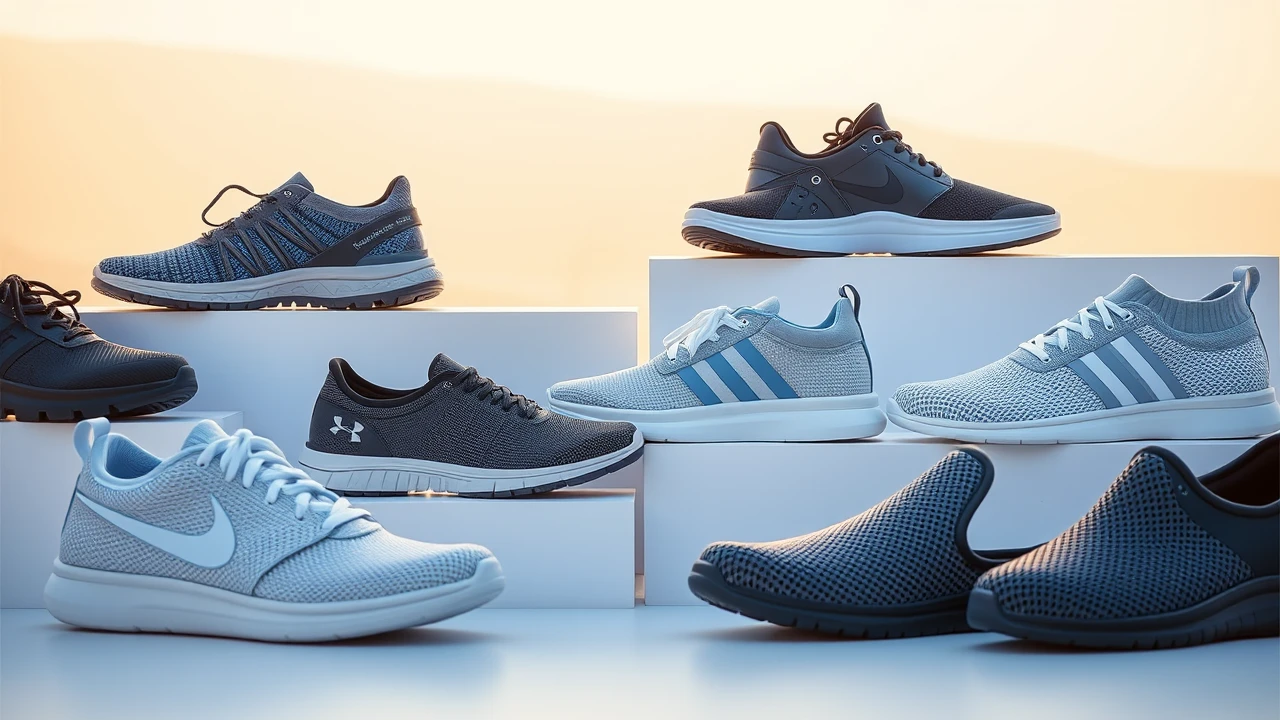
Purchasing footwear that aligns with your lifestyle, comfort needs, and values can sometimes feel overwhelming. With a diverse market offering specialized water shoes, urban streetwear sneakers, and casual slip-ons, it’s easy to make mistakes that lead to dissatisfaction, poor performance, or missed opportunities for style and sustainability. This article explores common pitfalls buyers encounter when shopping for modern footwear and offers actionable advice to help you make smarter, more informed decisions.
Understanding the Product Categories: Why It Matters
Before diving into mistakes, it’s essential to appreciate the three main footwear categories in contemporary apparel and accessories:
- Water Shoes and Barefoot Shoes: Designed for water-based activities such as hiking near rivers, paddleboarding, surfing, or swimming, these shoes emphasize protection, quick-drying capabilities, and grip on wet surfaces.
- Urban Sneakers and High-Tops: Tailored for streetwear enthusiasts, skaters, and athleisure wearers, these shoes balance style, durability, and ergonomic support for daily urban life.
- Casual Slip-Ons and Low-Tops: Focused on convenience and breathability, these shoes are perfect for everyday casual wear, travel, or light outdoor use.
Recognizing these categories and their unique features will help you avoid one of the biggest mistakes: buying footwear unsuitable for your intended use.
Mistake #1: Ignoring Activity-Specific Features
Why It Happens
Many buyers pick shoes based purely on appearance or brand appeal without considering the technical features that cater to their specific activities.
How to Avoid It
- For Water Shoes: Look for quick-dry polyester or breathable neoprene uppers, reinforced toe caps for protection against rocks or shells, and soles with non-slip rubber compounds and drainage systems to prevent water accumulation. UV resistance is a bonus for prolonged outdoor exposure.
- For Urban Sneakers: Prioritize arch support and shock absorption in the midsole to endure long hours on concrete. Durable synthetic fabrics and weatherproof coatings enhance longevity and performance in changing weather. Adjustable closures like lace-up or quick-toggle systems help achieve a customized fit.
- For Slip-Ons: Seek out breathable fabrics with ventilation holes and cushioned insoles for all-day comfort. Elastic closures or Velcro straps provide easy adjustability, ideal for quick on-and-off convenience.
Example: Choosing a water shoe without effective drainage can lead to soggy, uncomfortable feet, while an urban sneaker lacking arch support may cause pain during extended wear.
Mistake #2: Overlooking Comfort and Fit Details
Why It Happens
Shoppers often underestimate the importance of fit and ergonomic design, focusing on style at the expense of comfort.
How to Avoid It
- Ensure the shoe offers ergonomic features such as arch support and flexible soles that promote natural foot movement.
- Opt for footwear with cushioned insoles made of eco-friendly EVA foam or similar materials to reduce foot fatigue.
- Pay attention to adjustable closures — lace-up systems allow for precise tightening, while Velcro or quick-toggle closures offer convenience without sacrificing fit.
- Try shoes on later in the day when feet tend to swell to get a more accurate sense of fit.
- Consider the breathability of materials like neoprene and polyester to avoid moisture buildup and overheating.
Example: A casual slip-on with a rigid sole and no arch support may feel stylish but cause discomfort during extended walking or standing.
Mistake #3: Neglecting Sustainability Factors
Why It Happens
Sustainability is a growing concern, but some buyers overlook eco-friendly attributes in favor of price or design trends.
How to Avoid It
- Look for shoes made with recyclable components and low carbon manufacturing processes.
- Favor brands using non-toxic coatings and eco-conscious materials such as recycled polyester and biodegradable EVA foam.
- Consider the shoe’s lifecycle — shoes designed for durability reduce waste by lasting longer.
- If environmental impact matters to you, choosing shoes with transparent sustainability certifications can guide your decision.
Example: Opting for urban sneakers with recycled fabric uppers and soles manufactured under low-impact processes not only reduces environmental footprint but often means better durability.
Mistake #4: Confusing Style with Versatility
Why It Happens
Shoes that look great don’t always perform well across different environments or activities, leading to buyer’s remorse.
How to Avoid It
- Assess whether the shoe’s design suits multiple scenarios. For instance, some water shoes double as casual footwear due to minimalist styling and breathable fabrics.
- Urban sneakers with weatherproof materials and shock-absorbing soles can transition from a skate park to a casual office setting.
- Casual slip-ons with durable outsoles and reinforced toe caps can handle light outdoor activities without compromising style.
Example: Buying an urban sneaker solely for its streetwear appeal but discovering it lacks waterproofing and sole traction can limit its practical use.
Mistake #5: Ignoring Maintenance and Longevity
Why It Happens
Many buyers do not consider how to care for their shoes, which can shorten shoe lifespan and degrade performance.
How to Avoid It
- Understand the cleaning requirements of materials like neoprene and polyester to maintain breathability and appearance.
- Use appropriate cleaning methods: gentle hand washing for water shoes, wiping down urban sneakers with damp cloths, and spot cleaning slip-ons.
- Invest in repair kits or sole protectors where possible to extend the life of your favorite pairs.
- Store shoes in dry, ventilated areas to prevent mold or material degradation.
Example: Failing to rinse and dry water shoes after saltwater exposure can cause material breakdown and unpleasant odors.
Mistake #6: Overlooking Safety Features
Why It Happens
Safety may be underestimated, especially when shoes look fashionable.
How to Avoid It
- For water shoes, confirm the presence of reinforced toe caps and non-slip soles to protect against sharp objects and slippery surfaces.
- Urban sneakers should have durable synthetic fabrics and strong stitching to withstand abrasion from skateboarding or daily wear.
- Slip-ons designed for casual walking should still provide sufficient sole grip and toe protection to avoid slips or stubs.
Example: Wearing casual slip-ons without proper grip on slick city sidewalks increases fall risk.
Final Thoughts: Smart Shopping Starts with Knowledge
Avoiding these common mistakes when buying apparel and accessories, particularly footwear, involves understanding your needs, prioritizing comfort and safety, and considering sustainability alongside style. Whether you’re preparing for an aquatic adventure, curating your urban streetwear collection, or simply seeking everyday comfort, paying attention to product specifications — such as breathable neoprene, eco-friendly EVA foam insoles, adjustable closures, and non-slip soles — will ensure your purchase delivers both satisfaction and value.
By approaching your footwear purchases with these insights, you can confidently select shoes that not only look great but also perform reliably, support your lifestyle, and align with your values.