
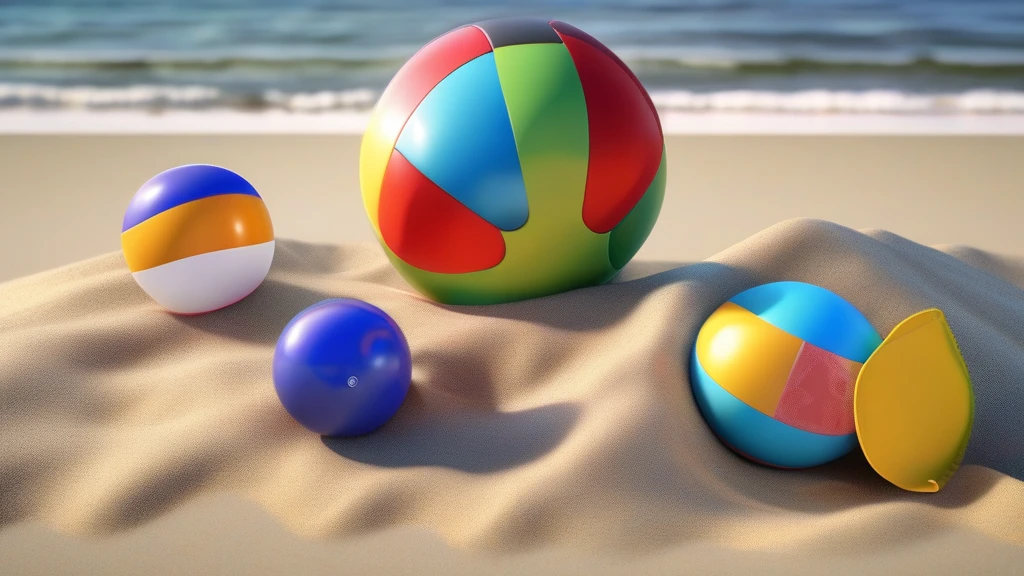
Beach balls are classic icons of summer fun, offering endless entertainment for families, friends, and partygoers alike. Their inflatable, lightweight design makes them ideal for a variety of outdoor activities—from casual toss games on the sand to lively pool parties and beach volleyball. However, despite their simple appearance, many buyers make common mistakes that can lead to disappointment, reduced safety, or shorter product lifespan. Understanding these pitfalls and knowing what features to look for can help you choose a beach ball that maximizes fun and durability.
In this article, we’ll explore the typical mistakes people make when purchasing beach balls and share practical advice on how to avoid them. By the end, you'll be equipped with the knowledge to make smarter, more informed choices tailored to your needs.
Mistake #1: Overlooking Material Quality and Durability
Why It Matters
One of the most frequent mistakes is selecting a beach ball based solely on appearance or size, without considering the materials used. Beach balls are exposed to harsh outdoor conditions including sun, saltwater, sand, and rough surfaces. Poor material quality leads to rapid wear, easy punctures, and fading colors.
What to Look For Instead
- Durable, Waterproof Materials: The best beach balls are made from robust materials like PVC, nylon, neoprene, or rubber. These materials resist tearing and withstand repeated exposure to water and sun.
- UV Resistance: Exposure to sunlight can degrade plastics and cause colors to fade or materials to crack. UV-resistant coatings or treatments significantly extend the lifespan of your beach ball.
- Tear- and Impact-Resistance: Sturdy seams and reinforced panels help prevent accidental punctures during active play.
- Non-Toxic, Child-Safe Coatings: Especially important if children will be using the ball, these coatings ensure safety and prevent skin irritation.
Example: A beach ball constructed from UV-treated, tear-resistant PVC with a smooth, child-safe coating will maintain vibrant colors and structural integrity much longer than a basic vinyl ball.
Mistake #2: Ignoring Size and Intended Use
Why It Matters
Beach balls come in a wide range of sizes—from mini balls around 12 inches in diameter to jumbo variants as large as 48 inches. Choosing the wrong size can limit usability and enjoyment.
Choosing the Right Size
- Mini Beach Balls (~12 inches): Great for young children and group games that require fast passing or juggling. Their small size also makes them more portable.
- Medium-Sized Balls (16-24 inches): Versatile for both kids and adults, these are suitable for pool games, relay races, and casual beach play.
- Jumbo Beach Balls (~36-48 inches): Perfect for adults, large groups, and party settings. Their size adds a fun visual element and enables creative uses like water volleyball or giant toss games.
Consider the Activity
- For family outings with young kids, opt for smaller, lightweight balls that are easy to handle.
- For pool and beach parties, larger, brightly colored balls with multi-panel designs enhance visibility and group interaction.
- For water volleyball or active sports, choose balls with textured, anti-slip surfaces for better grip.
Mistake #3: Neglecting Inflation Features and Accessories
Why It Matters
A beach ball’s ease of inflation and maintenance can greatly affect your overall experience. Some buyers underestimate the importance of reliable inflation valves and included accessories.
What to Check
- Valve Type: Dual-valve systems are popular because they prevent air from escaping during play and make inflation easier.
- Compatibility with Pumps: Check if the ball can be inflated with manual or electric pumps. Some models come with quick inflation valves designed for fast setup.
- Included Accessories: Repair patches and storage bags add value and help extend your ball’s usability by making quick fixes simple and keeping it protected when not in use.
Tip: Avoid balls with flimsy valves or those that require mouth inflation exclusively, especially for larger sizes, as they can be time-consuming and tiring to inflate fully.
Mistake #4: Overlooking Safety Certifications and User Age Appropriateness
Why It Matters
Safety certifications are essential indicators that a product meets established standards for reliability and user protection. Ignoring these can result in purchasing unsafe or low-quality toys.
What to Look For
- Common Certifications: CE EN 71, ASTM F2040, TÜV, and ISO certifications indicate compliance with safety and quality standards.
- Age Recommendations: Choose balls labeled for your intended user group. Models made for children often feature child-safe coatings and materials, while some adult-sized balls may not be suitable for very young kids.
- Non-Toxic Materials: Ensure the ball is free from harmful chemicals, especially if children will be handling it.
Example: A beach ball with ASTM F2040 certification and child-safe coatings is a trustworthy choice for families with young children.
Mistake #5: Forgetting Environmental Impact
Why It Matters
With growing environmental awareness, many consumers want to make eco-friendly choices when buying toys. Beach balls made from non-recyclable plastics contribute to pollution and landfill waste.
How to Choose Environmentally Responsible Beach Balls
- Eco-Friendly Materials: Look for balls made from recyclable plastics or materials derived from sustainable sources.
- Manufacturer Transparency: Brands that clearly state their commitment to sustainable manufacturing practices and use recyclable packaging are preferable.
- Longevity: Durable, repairable beach balls reduce waste by lasting longer and avoiding frequent replacement.
Tip: Investing in a higher-quality, eco-conscious beach ball may initially cost more but benefits the environment and delivers better value over time.
Mistake #6: Ignoring Additional Features That Enhance Use
Why It Matters
Some buyers overlook innovative features that can significantly improve playtime and convenience.
Features to Consider
- Glow-in-the-Dark and LED Light-Up Options: Perfect for evening beach or pool parties, these balls increase visibility and add a fun twist after sunset.
- Textured or Anti-Slip Surfaces: Enhance grip when the ball is wet, making it easier to catch and throw.
- Vibrant Multi-Colored Panels: Improve visibility in water and sand, and add to the festive atmosphere.
- Portability Features: Lightweight construction and included storage bags simplify transport and packing.
Bonus Tips: Maintaining Your Beach Ball for Longevity
- Proper Storage: Always deflate fully and store in a cool, dry place away from direct sunlight when not in use.
- Regular Inspection: Check for leaks or worn seams before each use; promptly repair with included patches.
- Gentle Cleaning: Use mild soap and water to clean the ball after exposure to saltwater or sand.
- Avoid Sharp Objects: Keep the ball away from sharp rocks, shells, or rough surfaces that could puncture it.
Conclusion
Buying the right beach ball involves more than picking a colorful, inflatable toy off the shelf. By paying attention to material quality, size, inflation features, safety certifications, environmental impact, and additional enhancements, you can avoid common mistakes that lead to frustration or unsafe use. Choose wisely based on your specific needs—whether for children’s play, family outings, or lively adult beach parties—and enjoy hours of worry-free, vibrant outdoor fun.
Armed with this knowledge, your next beach ball purchase will be a smart investment in durable, safe, and enjoyable recreation. Happy playing!