
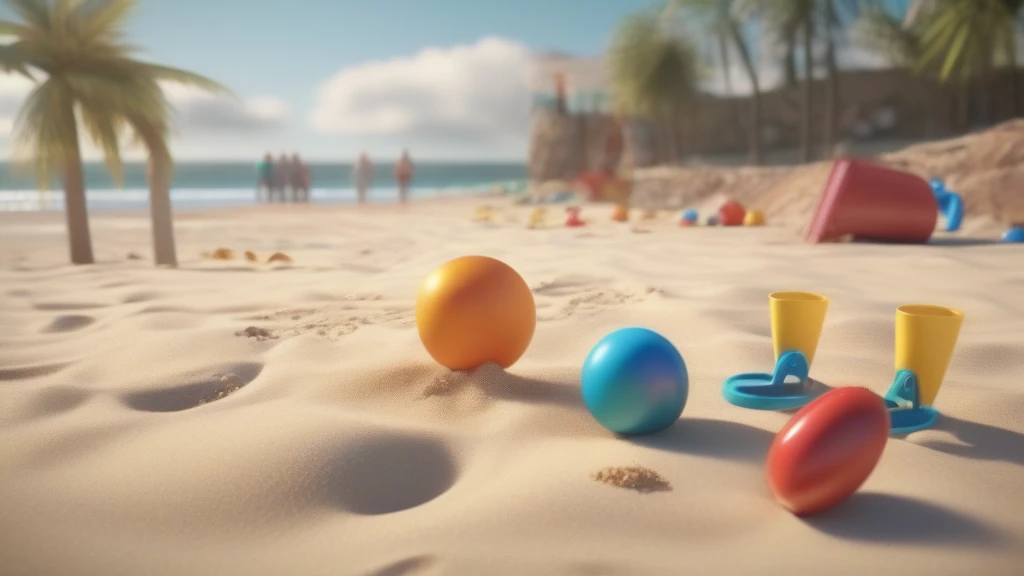
Beach and sand toys are a fantastic way to bring families and friends together for outdoor fun, whether at the beach, backyard, camping site, or poolside. From pétanque and boules sets to ring toss games and glow-in-the-dark discs, these toys offer engaging, skill-building entertainment for all ages. However, many buyers make common mistakes that can lead to frustration, wasted money, or disappointing experiences. This article will highlight typical pitfalls in purchasing beach and sand toys and provide practical advice to help you make smarter, informed decisions.
Understanding the Product Varieties and Their Intended Uses
Mistake #1: Choosing the Wrong Type of Game for Your Needs
One of the biggest mistakes is buying a game without considering who will use it and where. Beach and sand toys cover a wide spectrum—from lightweight, foam ring toss sets for kids to precision-engineered, tournament-grade pétanque balls for adults. Selecting a product that doesn’t match your intended users or play environment can limit enjoyment and usability.
How to Avoid:
- For families with young children, opt for soft, colorful, and lightweight sets made from child-safe, non-toxic materials like impact-resistant resin or eco-friendly plastics. These often come with safety certifications such as ASTM or CE.
- For serious players or enthusiasts interested in pétanque, look for carbon steel or stainless steel boules that are precision-balanced and weatherproof, ensuring durability and consistent play.
- Consider the playing surface: sand and grass require different ball weights and textures. Products with textured or grooved surfaces provide better grip and control on uneven beach sand, while smooth balls may be better for gravel or indoor play.
Material and Durability Considerations
Mistake #2: Overlooking Material Quality and Weather Resistance
Outdoor toys must withstand exposure to sun, saltwater, sand, and rough handling. Many buyers underestimate the importance of selecting weatherproof and rust-resistant materials, leading to quick wear or damage.
How to Avoid:
- Choose sets made from stainless steel or carbon steel with rust-resistant coatings if you expect frequent beach or poolside use. These metals resist corrosion and abrasion, extending product life.
- For ring toss and disc games, look for UV-resistant and abrasion-proof fabrics like nylon mesh or durable foam that won’t easily tear or fade under sunlight.
- Eco-friendly plastics that are recyclable and impact-resistant are ideal for environmental sustainability without sacrificing toughness.
- Verify product details for specific weatherproof or rustproof claims, especially if you plan to leave toys outdoors or store them in humid environments.
Portability and Storage
Mistake #3: Buying Bulky or Inconvenient Sets That Are Hard to Transport
Many beach and sand toys are designed for portability, but some buyers neglect to check dimensions, weight, or packaging before purchase. This can result in cumbersome equipment that is difficult to carry on trips or store compactly.
How to Avoid:
- Look for complete kits that include compact carrying cases or bags with handles. Lightweight aluminum or resin components reduce overall weight without compromising durability.
- Adjustable ball diameters and modular sets can save space and provide versatility for different age groups or skill levels.
- Consider inflatable or foldable ring toss games for the ultimate in travel-friendly design, especially for camping or beach vacations.
- Check whether accessories like scoring sheets, measuring tapes, or instruction manuals are included in the kit to avoid losing essential parts.
Customization and Skill Level Appropriateness
Mistake #4: Ignoring Player Skill Levels and Customization Options
Buying a one-size-fits-all product may not provide the best experience, especially for activities like pétanque where precision and grip matter. Novices may struggle with heavy, tournament-grade balls, while advanced players might find basic sets limiting.
How to Avoid:
- For beginners and children, select lightweight, softer balls or rings with ergonomic grips and textured surfaces that enhance control without requiring excessive strength.
- Serious players should consider sets offering customization features such as engraved balls for easy identification, adjustable diameters, or specialized surface patterns to improve spin and accuracy.
- Many modern pétanque sets come with different difficulty modes or adjustable weights—utilize these options to gradually increase challenge and skill development.
Safety and Environmental Responsibility
Mistake #5: Neglecting Safety Certifications and Eco-Friendly Materials
Parents especially must be cautious about toxicity and safety compliance in children’s beach toys. Additionally, environmental impact is an increasingly important factor that is often overlooked.
How to Avoid:
- Always check for safety certifications like CE, ASTM, or TÜV, which indicate compliance with rigorous safety standards and use of non-toxic materials.
- Purchase products made from recyclable materials or eco-friendly plastics to minimize environmental footprint. Avoid cheap, non-recyclable toys that contribute to plastic waste.
- Consider products with child-safe design features such as rounded edges, soft grips, and non-choking hazard sizes.
Product Care and Maintenance
Mistake #6: Underestimating Maintenance Needs Leading to Premature Wear
Even the best-designed beach and sand toys require care to maintain performance and longevity. Buyers sometimes neglect cleaning or proper storage, resulting in rust, mold, or damage.
How to Avoid:
- Rinse metal balls or rings with fresh water after exposure to saltwater or sand to prevent corrosion.
- Dry components thoroughly before storing in breathable carrying cases to avoid moisture buildup.
- Store toys in a cool, dry place out of direct sunlight to prevent UV degradation of plastics and fabrics.
- Follow manufacturer instructions for cleaning and maintenance, especially for glow-in-the-dark or UV-resistant products that may have special coatings.
Summary: Making Smarter Choices for Outdoor Fun
Buying beach and sand toys is more than just picking a fun game; it involves understanding product types, materials, user suitability, and care requirements. Avoid common mistakes by:
- Matching the game type and difficulty to the players’ age and skill level.
- Prioritizing durable, weatherproof, and rust-resistant materials.
- Considering portability and ease of storage for on-the-go lifestyles.
- Checking for safety certifications and eco-friendly manufacturing.
- Practicing routine maintenance to extend product life.
By keeping these factors in mind, you can select beach and sand toys that foster hours of joyful, active social play across generations—whether at the beach, backyard, or campsite.
With the right choices, your outdoor games will not only provide entertainment but also encourage skill development, healthy competition, and memorable family bonding moments. Happy playing!