
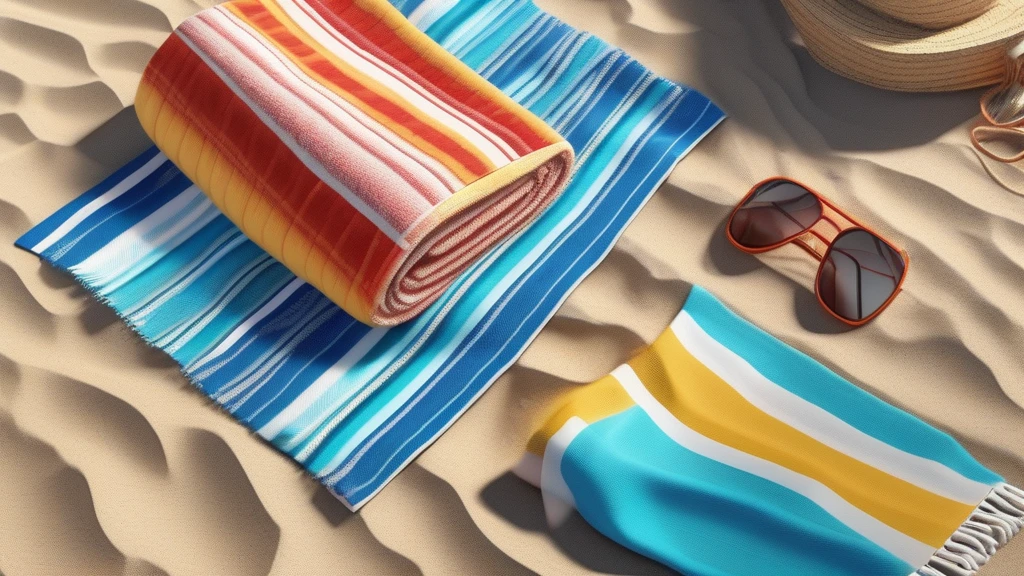
Beach towels are an essential companion for outdoor enthusiasts, swimmers, travelers, and gym goers alike. Yet, despite their ubiquity, many consumers make avoidable mistakes when selecting these versatile products. Choosing the wrong beach towel can lead to discomfort, inconvenience, and even frustration during your adventures.
This article highlights common pitfalls in buying beach towels and offers practical advice on how to choose towels that truly meet your functional and lifestyle needs. By understanding key features such as materials, size, durability, and specialized treatments, you can make smarter, more satisfying purchases that enhance your beach, travel, and gym experiences.
Mistake 1: Overlooking Material Differences and Their Impact
Why Material Matters
One of the most frequent mistakes is selecting a beach towel without considering the material, which directly affects absorbency, drying speed, durability, and comfort. Towels come in several materials, each tailored to different preferences and uses:
- Microfiber: Lightweight, ultra-absorbent, and exceptionally quick-drying. Ideal for travelers, campers, and gym enthusiasts who need compact, fast-drying towels that resist mildew.
- Organic Cotton: Provides a soft, plush feel with natural breathability. Great for those prioritizing comfort and eco-friendliness, especially when certified by GOTS or Oeko-Tex.
- Bamboo: Naturally antimicrobial and moisture-wicking, bamboo towels combine softness with odor resistance, making them excellent for active users who want hygienic options.
- Polyester Blends: Durable and abrasion-resistant, often used in towels requiring reinforced borders and long-lasting performance in rugged outdoor environments.
How to Avoid This Mistake
Before purchasing, identify your primary use case:
- For travel or camping, opt for microfiber towels that fold compactly, dry quickly, and resist sand.
- For luxury beach lounging, consider organic cotton or bamboo towels that offer plush comfort and are often sustainably produced.
- For gym or pool use, prioritize bamboo or microfiber for their antimicrobial and odor-resistant properties.
Look for certifications like ISO, TÜV, or ASTM to ensure product safety and environmental responsibility.
Mistake 2: Ignoring Size and Thickness Requirements
Why Size and Thickness Are Crucial
Beach towels vary widely in size and thickness, affecting portability, drying time, and comfort on sand or gym benches. Many shoppers err by buying towels that are either too bulky or too small for their needs.
- Size: Larger towels (typically 30” x 60” or more) provide ample space for lounging, but can be heavier and less portable.
- Thickness: Thicker cotton towels feel luxurious but take longer to dry and weigh more. Thin microfiber or polyester towels dry fast and pack small but may feel less cushioned.
How to Avoid This Mistake
Match towel size and thickness to your activities:
- For beach lounging with family or friends, choose larger, thicker towels offering comfort and coverage.
- For active use like swimming or gym workouts, select medium-sized, thin towels that dry quickly and can be easily stored.
- For travelers and campers, compact and lightweight towels with quick-dry technology maximize portability.
Many towels include carry straps, hanging loops, or come with reusable storage bags, making them easier to transport regardless of size. Evaluate these features alongside dimensions.
Mistake 3: Neglecting Special Features That Enhance Usability
Key Features Often Overlooked
Beach towels today come with innovative features that improve hygiene, durability, and convenience. Overlooking these can diminish your towel’s performance in real-world conditions.
- Sand-Free Construction: Towels designed with tightly woven fibers or ventilated mesh layers reduce sand clinging, keeping your towel and belongings cleaner.
- Antimicrobial Treatment: Prevents odor and bacterial growth, especially useful for gym towels or repeated beach use.
- UV Protection: Some towels come with UV-resistant fabrics, protecting skin and the towel itself from sun damage.
- Reinforced Borders and Double-Stitched Edges: Enhance durability, preventing fraying and extending the towel’s lifespan.
- Odor Resistance: Particularly important for towels used in humid or salty environments.
How to Avoid This Mistake
When shopping, look for product descriptions detailing:
- Anti-sand or sand-resistant technology if you frequent sandy beaches.
- Antimicrobial or odor-resistant treatments if you expect heavy use or sweat exposure.
- UV protection features if you plan to spend extended time under the sun.
- Durability enhancements like double stitching or abrasion resistance for frequent outdoor adventures.
Mistake 4: Focusing Solely on Style Over Function
Balancing Aesthetics with Practicality
It’s natural to want a beach towel that looks good, with vibrant patterns, tassel edges, or minimalist designs. However, prioritizing style alone can lead to choosing towels that lack essential performance qualities.
For instance, a bold, thick cotton towel may look appealing but won’t dry quickly or pack well for travel. Conversely, a thin microfiber towel with a muted color palette might be highly functional but less exciting visually.
How to Avoid This Mistake
Aim for a balance by:
- Selecting towels that offer both the functional features you need and a design that suits your personality.
- Considering towels with colorfast dyes and UV-resistant fabrics to maintain vibrant colors without fading.
- Exploring patterns and textures that complement your lifestyle, whether it’s casual beach days or rigorous gym sessions.
Remember, a stylish towel that performs well will enhance your experience far more than one that simply looks good but lacks durability or convenience.
Mistake 5: Underestimating Care and Maintenance Needs
Why Proper Care Extends Towel Life
Many buyers overlook how their towel’s material and construction affect maintenance. Improper washing or storage can degrade fabric, reduce absorbency, and shorten the towel’s usability.
- Microfiber towels require gentle washing without fabric softeners to maintain quick-dry properties.
- Bamboo and organic cotton towels benefit from mild detergents and air drying to preserve softness and antimicrobial qualities.
- Towels with antimicrobial or UV treatments should follow specific care instructions to avoid diminishing these features.
How to Avoid This Mistake
Before buying, check manufacturer recommendations on:
- Washing temperature and detergent types.
- Whether towels can be tumble dried or should be air-dried.
- Special care for treated fabrics to maintain performance (e.g., antimicrobial coatings).
Investing time in proper maintenance ensures your beach towel remains effective and comfortable for many seasons.
Conclusion
Choosing the right beach towel involves more than picking your favorite color or pattern. By avoiding common mistakes—such as disregarding material benefits, ignoring size and thickness needs, overlooking special features, prioritizing style over function, and neglecting care requirements—you can find a towel that truly supports your active, outdoor lifestyle.
Focus on microfiber for portability and speed, organic cotton or bamboo for comfort and sustainability, and look for certifications to ensure quality and eco-friendliness. Consider sand-resistant, antimicrobial, and UV-protective features for enhanced hygiene and usability. Balance aesthetics with practical performance and learn proper maintenance techniques to maximize your towel’s lifespan.
With thoughtful selection, your beach towel will be a reliable, comfortable companion for all your adventures—keeping you dry, comfortable, and stylish wherever life takes you.