
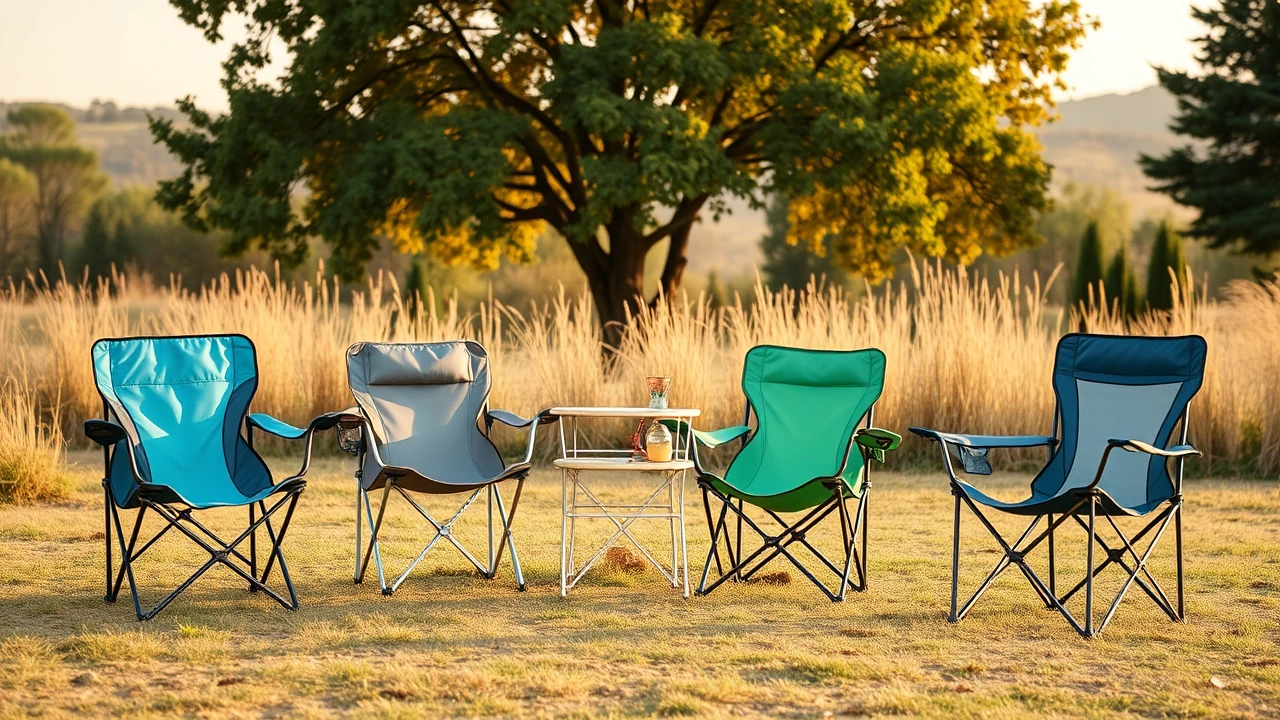
Purchasing the right outdoor chair can transform your recreational experiences, whether you’re lounging on the beach, camping in the woods, fishing by a lake, or enjoying a family picnic. However, many buyers make avoidable mistakes that lead to discomfort, inconvenience, or premature wear and tear. Understanding typical pitfalls and how to navigate them empowers you to select chairs that deliver lasting comfort, durability, and functionality tailored to your outdoor lifestyle.
In this article, we explore the most common mistakes people make when buying portable outdoor chairs and provide actionable tips to avoid them. You’ll learn about essential product characteristics, from materials and ergonomic features to portability and safety, helping you make smarter, more informed decisions.
1. Overlooking Activity-Specific Chair Selection
Mistake: Buying a One-Size-Fits-All Chair
A frequent error is purchasing a chair without considering the primary activity or environment where it will be used. Outdoor chairs differ significantly based on intended use—beach lounging, camping, fishing, or picnics each demand unique features.
How to Avoid It
-
Beach Chairs: Look for low-profile, lightweight chairs with UV-resistant, waterproof polyester or nylon fabric that resists sand abrasion and sun damage. Features like integrated sunshade canopies and built-in cup holders enhance comfort under direct sunlight.
-
Camping Chairs: Prioritize chairs with durable, rustproof aluminum frames and breathable mesh panels for ventilation. Adjustable recline positions and padded grips improve comfort during long stays. Portability features like backpack straps or telescoping handles ease transport over uneven terrain.
-
Fishing Chairs: Choose low-profile, stable chairs with non-slip feet and locking frames to maintain safety on slippery riverbanks. Compact fold dimensions and moderate weight capacity (up to 350 lbs) accommodate gear and personal comfort.
-
Picnic Chairs: Select oversized family chairs or models with integrated storage pouches and coolers to hold snacks and drinks conveniently.
Understanding your primary use case ensures you select a chair optimized for that activity’s demands rather than settling for a generic option.
2. Ignoring Material Quality and Weather Resistance
Mistake: Neglecting Durability and Environmental Suitability
Many buyers underestimate the importance of frame and fabric materials, leading to chairs that rust, fade, or deteriorate quickly when exposed to outdoor elements.
How to Avoid It
-
Frames: Opt for foldable frames made from lightweight aluminum or rustproof steel. Aluminum offers corrosion resistance and reduces overall weight, making chairs easier to carry and less prone to damage in wet environments.
-
Fabrics: Choose chairs featuring UV-resistant, waterproof polyester or nylon fabrics. These materials dry quickly after exposure to moisture and resist fading from prolonged sun exposure. Breathable mesh panels add ventilation, preventing sweat accumulation and discomfort.
-
Eco-Friendly Choices: Consider products manufactured using sustainable processes or recycled materials, aligning with growing environmental responsibility without compromising durability.
Checking for these specifications before purchasing helps you avoid premature wear and costly replacements.
3. Neglecting Ergonomic and Comfort Features
Mistake: Prioritizing Appearance Over Comfort
Outdoor chairs designed solely around aesthetics often lack essential ergonomic features, leading to discomfort during extended use.
How to Avoid It
Look for chairs offering:
-
Adjustable Recline Positions: The ability to recline enables personalized comfort, whether you prefer upright seating for fishing or a laid-back posture for sunbathing.
-
Padded Headrests and Footrests: Extra cushioning supports neck and legs, reducing fatigue.
-
Breathable Mesh Panels: Enhanced airflow keeps you cool in hot weather.
-
Integrated Pillows: Some models include removable pillows that increase lumbar support.
Testing chairs in-store or reviewing detailed product descriptions to confirm these features ensures you invest in comfort, not just style.
4. Overestimating Portability Without Considering Practical Transport Features
Mistake: Buying Lightweight Chairs That Are Difficult to Carry
While many buyers focus on the chair’s weight, they overlook how design elements affect real-world portability, resulting in cumbersome transport.
How to Avoid It
-
Carry Solutions: Choose chairs with backpack-style straps for hands-free carrying or telescoping handles that make wheeling the chair along easy.
-
Compact Fold Dimensions: Chairs that fold into small, manageable sizes occupy less space in cars or backpacks.
-
Padded Grips: Comfortable handles reduce hand strain during long walks.
By evaluating these features, you can select chairs that are genuinely travel-friendly for your outdoor adventures.
5. Overlooking Weight Capacity and Size Compatibility
Mistake: Selecting Chairs Incompatible with User Weight or Size
Ignoring weight ratings can lead to unsafe seating or damage. Similarly, chairs too small or large for users cause discomfort.
How to Avoid It
-
Check the manufacturer’s stated weight capacity, which typically ranges from 200 to 350 lbs for outdoor chairs. Pick chairs with a safety margin to accommodate your weight comfortably.
-
Consider oversized family chairs if seeking extra space or shared seating.
-
Review seat dimensions and backrest height to ensure proper fit and support.
Prioritizing compatibility ensures safety and maximizes comfort.
6. Disregarding Safety Features and Certifications
Mistake: Ignoring Important Safety Considerations
Safety is paramount, especially when using chairs on uneven or slippery outdoor surfaces.
How to Avoid It
-
Look for locking frames that secure the chair in place when unfolded, preventing accidental collapse.
-
Non-slip feet improve stability on wet or sandy ground.
-
Smooth edges reduce the risk of cuts or snags.
-
Check for recognized safety certifications such as ASTM, ISO, or TÜV, which indicate that the chair has undergone rigorous testing.
These features grant peace of mind and protect users during outdoor activities.
7. Failing to Consider Additional Functional Features
Mistake: Missing Out on Enhancing Accessories That Boost Convenience
Some buyers overlook valuable extras that elevate the outdoor seating experience.
How to Avoid It
-
Built-in Cup Holders: Keep beverages secure and within reach.
-
Storage Pouches: Handy for storing phones, sunscreen, or snacks.
-
Integrated Coolers: Ideal for keeping drinks and perishables chilled during long outings.
-
Sunshade Canopies: Provide extra protection from harmful UV rays.
Selecting chairs with these thoughtful features adds significant convenience and enjoyment.
8. Neglecting Maintenance and Care Requirements
Mistake: Failing to Plan for Proper Chair Care
Even the most durable chairs require upkeep to maintain performance and appearance.
How to Avoid It
-
Clean chairs regularly using mild soap and water to remove dirt, sand, and salt residue.
-
Dry thoroughly before storage to prevent mold and mildew.
-
Store chairs in dry, shaded areas to extend fabric and frame life.
-
Inspect folding mechanisms and joints periodically, lubricating as needed.
Proper maintenance preserves your investment and prolongs chair usability.
Conclusion
Buying the right portable outdoor chair involves more than simply picking the cheapest or most attractive model. Avoiding common mistakes such as ignoring activity-specific needs, material quality, ergonomic comfort, practical portability, weight compatibility, safety features, additional functions, and maintenance ensures you select a chair that enhances your outdoor experiences for years to come.
By taking the time to understand key product characteristics—such as rustproof aluminum frames, UV-resistant waterproof fabrics, adjustable recline options, backpack carry straps, and safety certifications—you can confidently choose the perfect chair tailored to your lifestyle. Whether you’re a beach enthusiast, camper, fisherman, or picnic lover, these insights help you make smarter, more satisfying purchasing decisions.