
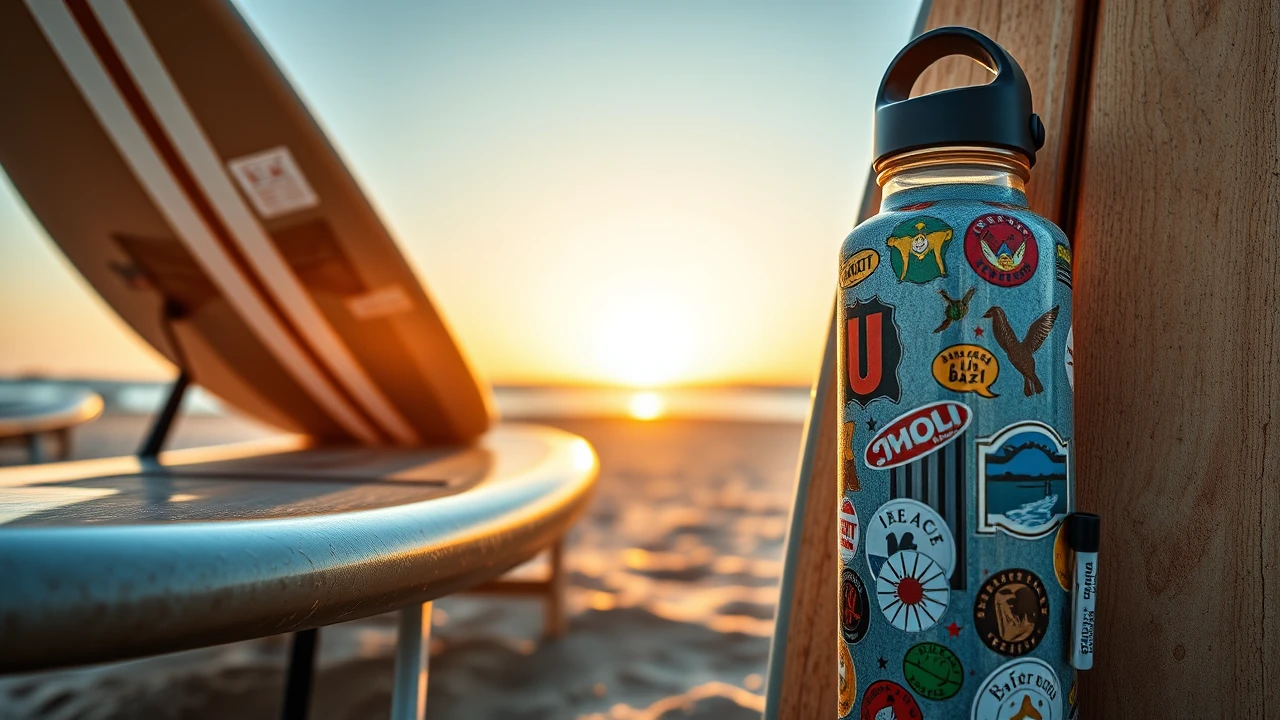
Decorative stickers have become a popular way to personalize everything from surfboards and backpacks to water bottles and luggage. With advancements in materials and finishes, today’s decorative stickers are not only visually striking but also designed to endure the rigors of outdoor adventures, travel, and everyday use. However, despite their growing popularity, many buyers make common mistakes when selecting these embellishments, leading to disappointment in durability, aesthetics, or environmental impact.
This article explores typical buyer pitfalls when purchasing decorative stickers and offers actionable guidance to help you make smarter, more informed decisions. Whether you’re an outdoor enthusiast, a creative hobbyist, or a parent shopping for kids’ stickers, understanding these nuances will ensure your sticker choices satisfy both your style and functional needs.
Mistake #1: Overlooking Durability and Environmental Resistance
Why It Matters
Many buyers focus solely on the visual appeal of stickers, neglecting how well they withstand environmental stress. Stickers applied to outdoor gear—such as surfboards, water bottles, or luggage—are exposed to sun, water, abrasion, and temperature fluctuations. Selecting stickers without proper durability features often results in premature fading, peeling, or damage.
How to Avoid This Mistake
- Choose Waterproof and UV-Resistant Stickers: Look for vinyl or rubber stickers specifically labeled as waterproof and UV-resistant. These coatings protect the colors and adhesive from sun exposure and water damage.
- Prioritize Scratch Resistance: For high-contact items like backpacks or travel gear, scratch-resistant finishes like matte or glossy laminates enhance longevity.
- Check for Fade Resistance: Stickers with fade-resistant pigments retain their vibrancy even after prolonged sun exposure.
- Consider the Surface: Smooth surfaces tend to hold stickers better than textured ones. Some stickers are designed with stronger adhesives for rougher materials.
Example: A holographic vinyl sticker with a waterproof laminate and UV protection is ideal for a surfboard. Its reflective shimmer resists sun fading and stays vibrant through waves and sand.
Mistake #2: Ignoring the Adhesive Type and Application Method
Why It Matters
Stickers come with different adhesives and application methods—peel-and-stick and heat-transfer being the most common. Using the wrong type for your project can cause poor adhesion, damage surfaces, or complicate removal.
How to Avoid This Mistake
- Peel-and-Stick Stickers: These are generally easy to apply and remove, with some offering repositionable or reusable adhesives. Ideal for temporary decoration or items where you may want to change designs frequently.
- Heat-Transfer Stickers: Require heat (usually from an iron or heat press) to bond permanently to fabric or specific surfaces. Best for customizing clothing or fabric-based travel accessories.
- Match Application to Surface and Purpose: For example, peel-and-stick vinyl stickers work well on hard, non-porous surfaces like water bottles and luggage. Heat-transfer stickers are preferable for backpacks or fabric gear.
- Use Included Application Aids: Many sticker packages include cleaning wipes, squeegees, or storage bags. Proper surface cleaning and smooth application reduce bubbles and ensure better adhesion.
Example: A reusable, peel-and-stick reflective sticker can be repositioned on a water bottle during travel, whereas a heat-transfer fabric sticker is better for personalizing a canvas backpack for hiking.
Mistake #3: Neglecting Safety and Allergies, Especially for Kids
Why It Matters
Children’s skin can be sensitive to chemicals and adhesives. Stickers used in children’s crafts or as personal decoration should be non-toxic and hypoallergenic to prevent irritation or allergic reactions.
How to Avoid This Mistake
- Look for Certified Non-Toxic Labels: Seek stickers with certifications or assurances that adhesives and materials are safe for kids.
- Avoid Harsh Chemicals: Opt for stickers made with water-based inks and non-toxic coatings.
- Choose Hypoallergenic Adhesives: These reduce the risk of skin irritation for sensitive users.
- Consider Easy-Removal Options: For kids, stickers with gentle adhesives that peel off cleanly prevent skin discomfort.
Example: Fabric stickers for children’s jackets that feature non-toxic adhesives and are certified safe provide peace of mind for parents while encouraging creative expression.
Mistake #4: Disregarding Environmental Impact and Sustainability
Why It Matters
As awareness of environmental issues grows, many consumers want their crafting and personalization materials to align with sustainable values. Stickers with plastic-heavy packaging or non-recyclable materials contribute to waste.
How to Avoid This Mistake
- Choose Eco-Friendly Materials: Stickers made from biodegradable or recyclable vinyl and fabric reduce environmental footprint.
- Look for Plastic-Free Packaging: Many brands now offer compostable or recyclable packaging options.
- Check for Low-Carbon Manufacturing: Some companies highlight sustainability efforts such as using renewable energy or minimizing emissions.
- Support Reusable or Repositionable Stickers: These reduce waste by allowing multiple uses.
Example: An eco-conscious traveler may opt for biodegradable matte stickers packaged in paper-based bags with plant-based adhesives, ensuring both personalization and sustainability.
Mistake #5: Failing to Match Sticker Design to Intended Use and Style
Why It Matters
The design and finish of decorative stickers are as important as their durability and application. A sticker’s aesthetics should complement the item it decorates and reflect the user’s personality or activity.
How to Avoid This Mistake
- Select Finishes for Visibility and Style: Holographic or glow-in-the-dark stickers add striking effects for night or low-light visibility—great for outdoor sports gear. Matte or glossy finishes offer different visual textures for more subtle or shiny looks.
- Consider Reflective Stickers for Safety: Reflective stickers increase visibility during evening activities like cycling or hiking.
- Choose Age-Appropriate Designs: Kids might prefer colorful, playful graphics, while outdoor enthusiasts may opt for minimalist or nature-inspired motifs.
- Think About Size and Shape: Smaller stickers work well for travel accessories, whereas larger stickers are suitable for surfboards or luggage.
Example: A reflective sticker with a nature-inspired design can enhance both the look and safety of a hiking backpack, while a glow-in-the-dark sticker adds fun and function to a child’s water bottle.
Mistake #6: Underestimating the Importance of Proper Sticker Maintenance
Why It Matters
Even high-quality stickers can lose their appeal or adhesion if not cared for properly. Dirt, moisture, or rough handling can degrade stickers quickly.
How to Avoid This Mistake
- Clean Surfaces Before Application: Use included cleaning wipes or mild soap and water to remove oils and dust.
- Avoid Stretching or Scratching: Handle stickers carefully during application to prevent damage.
- Store Extra Stickers Correctly: Use storage bags or original packaging to protect unused stickers from dust and sunlight.
- Follow Care Instructions: Some stickers may require gentle cleaning with a damp cloth rather than harsh chemicals.
Example: Applying a waterproof vinyl sticker to a clean, dry surfboard surface ensures strong adhesion and prevents peeling during water exposure.
Conclusion
Buying decorative stickers is more than just picking a pretty design. Understanding the nuances of durability, adhesive type, safety, environmental impact, and style can transform your sticker buying experience from frustrating to rewarding. By avoiding these common mistakes and focusing on specific product features such as waterproof coatings, UV resistance, non-toxic adhesives, and eco-friendly packaging, you can confidently select stickers that enhance your gear’s look and last through your adventures.
Whether you’re a traveler customizing luggage, a surfer personalizing a board, or a parent encouraging creativity, informed choices lead to stickers that truly reflect your lifestyle and values. Keep these insights in mind to enjoy decorative stickers that shine in both appearance and performance.