
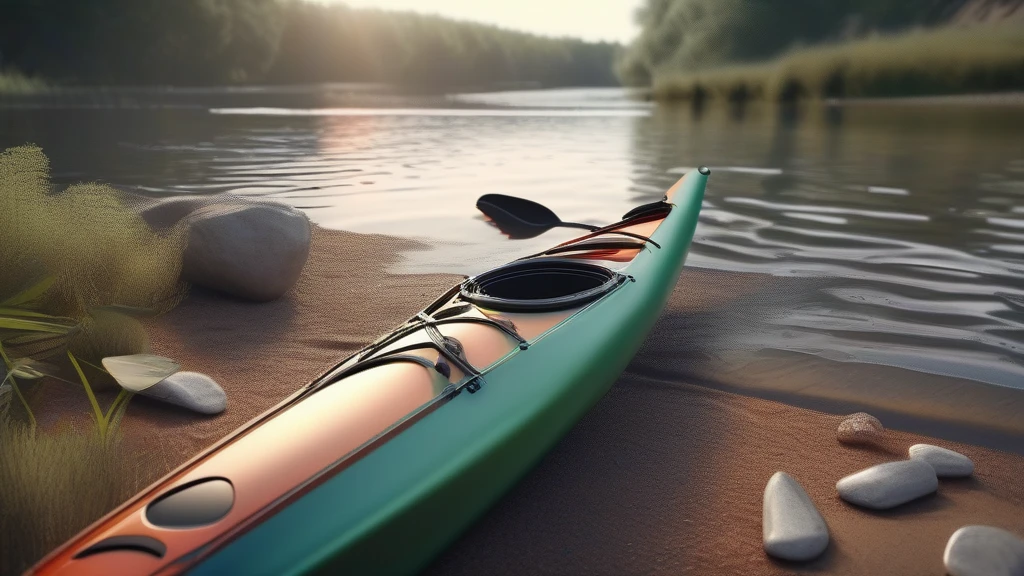
Folding kayaks offer an appealing combination of portability, performance, and convenience for boating enthusiasts who crave adventure without the hassle of bulky equipment. However, first-time buyers and even experienced paddlers can make costly mistakes during the selection process. Understanding these pitfalls and how to avoid them ensures you invest in a folding kayak that truly fits your needs, skill level, and intended water environments.
In this article, we explore common errors encountered when purchasing folding kayaks and provide actionable advice to help you make smarter, more informed choices.
Mistake 1: Overlooking the Importance of Material Quality and Construction
Why Material Matters
Folding kayaks rely on innovative materials to balance lightweight portability with durability and stability on water. Many models incorporate polycarbonate shells, ABS plastic, thermoplastic composites, or double-wall PVC fabric reinforced by marine-grade aluminum or carbon fiber frames.
Choosing a kayak with subpar materials can lead to premature wear, decreased performance, or safety risks — especially in demanding water conditions like choppy rivers or coastal excursions.
How to Avoid This Mistake
-
Research Material Properties: Polycarbonate and ABS plastics offer robust impact resistance and UV protection, ideal for rougher waters. Double-wall PVC fabric combined with carbon fiber frames often provides a lightweight yet sturdy option favored by performance-oriented paddlers.
-
Prioritize Corrosion Resistance: Folding kayaks exposed to freshwater or saltwater require corrosion-resistant components such as marine-grade aluminum or treated carbon fiber to extend durability.
-
Seek Eco-Friendly Options: Some manufacturers emphasize sustainable materials, an added benefit for environmentally conscious buyers.
Mistake 2: Ignoring Assembly Time and Complexity
The Challenge of Assembly
One of the biggest advantages of folding kayaks is quick assembly, usually within 5 to 20 minutes. However, some models can be more complicated, involving numerous parts or intricate frame setups that may frustrate beginners or those eager to hit the water promptly.
How to Avoid This Mistake
-
Test Assembly Before Buying: When possible, try assembling a demo or watch detailed product videos to gauge complexity.
-
Look for Intuitive Designs: Models with fewer frame sections, color-coded parts, or tool-free locking mechanisms streamline setup.
-
Consider Your Experience Level: Beginners should prioritize kayaks designed for straightforward assembly to reduce frustration and improve confidence.
Mistake 3: Selecting the Wrong Size and Load Capacity
Why Size and Capacity Are Critical
Folding kayaks accommodate solo or tandem paddlers, with load capacities typically ranging from 220 lbs to 400 lbs. Choosing a kayak that doesn’t support your weight plus gear can compromise stability and safety. Conversely, an overly large kayak may be cumbersome to transport and handle.
How to Avoid This Mistake
-
Assess Your Weight and Gear Needs: Factor in your body weight, clothing, safety equipment, and any cargo like food or camping gear.
-
Match Kayak Size to Use Case: Solo kayaks with narrower hulls and lighter carbon fiber frames suit paddlers seeking speed and maneuverability. Tandem models with wider beams and robust PVC fabric frames offer greater stability for recreational outings.
-
Check Stability Ratings: Beginners should opt for models with higher stability profiles, while experienced kayakers might prefer more responsive designs.
Mistake 4: Overlooking Safety Certifications and Features
Safety Cannot Be Compromised
Safety certifications such as ISO, TÜV, US Coast Guard, and CE standards provide reassurance that the kayak meets rigorous quality and safety benchmarks. Missing these can signal inferior build quality or untested performance.
How to Avoid This Mistake
-
Verify Certifications: Look for kayaks explicitly tested and certified by recognized bodies.
-
Prioritize Safety Features: Essential inclusions might be adjustable, ergonomic seats with back support, skegs for improved tracking, safety whistles, and reflective elements.
-
Consider Included Accessories: Many folding kayaks come with repair kits and carrying bags—items that enhance preparedness and convenience on the water.
Mistake 5: Neglecting Portability and Storage Considerations
Portability Is a Core Benefit
Folding kayaks are prized for compact storage solutions like backpack-style bags, roller bags, or suitcase-style cases. But not all models fold down equally small or weigh the same, affecting ease of transport.
How to Avoid This Mistake
-
Check Folded Dimensions and Weight: Lightweight materials (e.g., carbon fiber frames) reduce carrying strain, and smaller folded footprints fit better in cars, airplanes, or tight storage spaces.
-
Match Carrying Cases to Your Lifestyle: If you travel frequently, a roller bag with wheels may be preferable over a backpack-style bag.
-
Consider Assembly Time in Context: A kayak that packs down small but takes too long to assemble may not suit spontaneous trips.
Mistake 6: Buying Without Considering Intended Water Conditions
Different Waters Demand Different Kayaks
Calm lakes require different stability and hull design than choppy rivers or coastal environments. Ignoring this can lead to poor handling, safety hazards, or disappointing experiences.
How to Avoid This Mistake
-
Identify Primary Use Cases: Recreational kayaks with wide beams and flat hulls excel on calm waters. Narrower, streamlined hulls with reinforced frames handle waves and currents better.
-
Look for Adaptability: Some folding kayaks offer interchangeable skegs or adjustable seating to optimize performance across various conditions.
-
Research User Reviews for Specific Environments: Real-world feedback helps validate manufacturer claims about water suitability.
Mistake 7: Overpaying for Unnecessary Features or Underestimating Long-Term Durability
Striking the Right Value Balance
The folding kayak market ranges from basic models intended for occasional use to premium designs with lifetime warranties and advanced materials. Overpaying for features you won’t use or selecting cheaper models lacking durability can both backfire.
How to Avoid This Mistake
-
Assess Your Needs Honestly: Are you a casual paddler or a seasoned adventurer? Your choice should reflect your typical usage frequency and conditions.
-
Review Warranty and Support: Longer warranties indicate manufacturer confidence and can save money on repairs.
-
Prioritize Core Features: Stability, ease of assembly, and material quality should trump flashy extras that add weight or complexity.
Conclusion: Making an Informed Folding Kayak Purchase
Buying a folding kayak is an exciting step toward greater freedom on the water, but it requires careful consideration to avoid common mistakes. By focusing on material quality, assembly simplicity, size and capacity suitability, safety certifications, portability, intended water conditions, and value balance, you will be better equipped to select a kayak that matches your lifestyle and paddling goals.
Remember, a folding kayak is not just a product—it’s an investment in experiences. Taking the time to research and evaluate key characteristics ensures your kayak will deliver enjoyment, reliability, and safety for years to come. Happy paddling!