
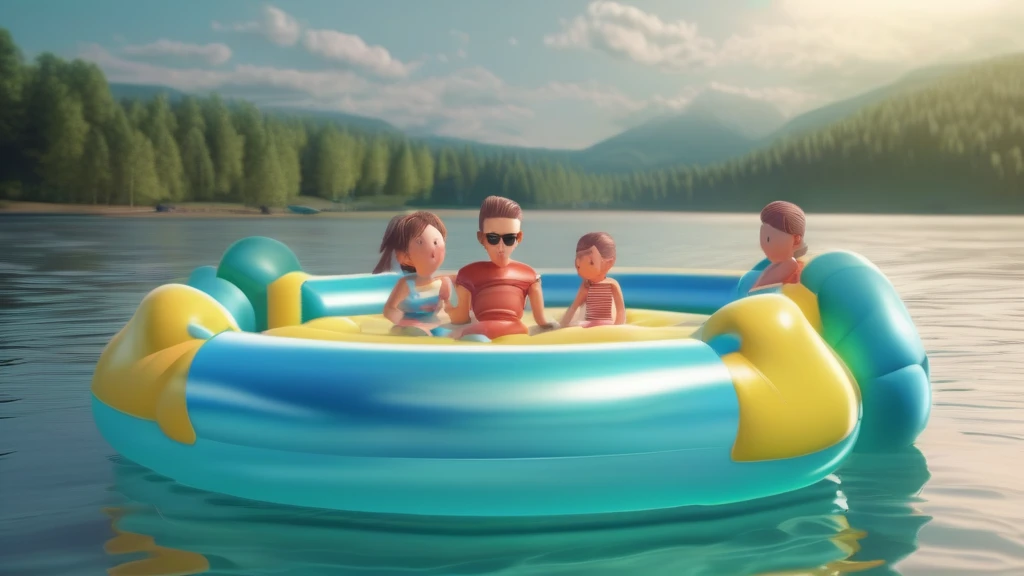
Inflatable bouncers have become a popular choice among families and outdoor enthusiasts looking to elevate their aquatic recreation. These vibrant, durable water platforms offer a unique combination of bouncing, lounging, and splashing fun on lakes, pools, and calm seaside areas. However, despite their growing appeal, many buyers make common mistakes that can affect their satisfaction and safety with these products. This article highlights those typical pitfalls and offers practical tips to help you make smarter, more informed purchasing decisions.
Understanding Inflatable Bouncers: What Makes Them Unique?
Before diving into common mistakes, it’s helpful to understand the defining features of inflatable water bouncers. These products generally come as large, circular inflatables with diameters ranging from 8 to 12 feet and are designed to hold between 2 to 4 users simultaneously. They are constructed with heavy-duty, puncture-resistant materials engineered for water stability, durability, and safety. Their bright color schemes—featuring reds, blues, oranges, and yellows—ensure visibility and add to the fun aesthetic.
Ease of setup and portability are also essential attributes, making these inflatables suitable for casual pool parties, family lake vacations, or beach outings. Their multi-person capacity encourages social, active play for a range of ages, from children to adults.
With this context in mind, let’s explore the common mistakes buyers make and how to avoid them.
Mistake #1: Choosing the Wrong Size and Capacity
Why It Matters
One of the most frequent errors is selecting an inflatable bouncer that doesn’t fit your intended usage in terms of size and user capacity. Because these inflatables vary from about 8 to 12 feet in diameter and accommodate 2 to 4 users, size directly affects the comfort and safety of your group.
How to Avoid It
- Assess Your Group Size: If you plan to entertain a family of four or a small group, opt for a larger model (10-12 feet diameter) that comfortably supports 3-4 users. Smaller sizes around 8 feet are better suited for 1-2 users or younger children.
- Consider User Age and Weight: Adults require more surface area and weight capacity than children. Check the product specifications for maximum weight limits and recommended user numbers.
- Match Water Setting: Larger bouncers perform best in spacious water areas like lakes or large pools. Smaller inflatables can be ideal for backyard pools but may feel cramped on open water.
Mistake #2: Overlooking Material Durability and Safety Features
Why It Matters
Inflatable bouncers spend their life on water surfaces where accidental punctures, wear-and-tear, and exposure to sun can degrade materials quickly. Choosing a bouncer made from flimsy or low-quality materials leads to disappointing longevity and potential safety hazards.
How to Avoid It
- Look for Heavy-Duty, Puncture-Resistant Materials: High-quality inflatables use robust PVC or vinyl blends that resist tears and withstand repeated use.
- Check for Safety Certifications: Some products highlight compliance with safety standards or feature reinforced seams and anti-slip surfaces to reduce accidents.
- Consider Stability Design: Wide bases and well-balanced inflation chambers improve stability on water, reducing tipping risks.
Mistake #3: Ignoring Setup and Portability Factors
Why It Matters
An inflatable bouncer that’s cumbersome to inflate, deflate, or transport can quickly become a hassle, limiting how often you use it and where you take it.
How to Avoid It
- Choose Models with Quick Inflation Systems: Look for inflatables that come with efficient air valves or compatible with electric pumps to speed setup.
- Check Pack Size and Weight: Consider the packed dimensions and weight, especially if you intend to carry the bouncer to remote lakes or beach spots.
- Evaluate Storage Options: Some inflatables include storage bags or come with instructions on how to fold and store them compactly to extend lifespan.
Mistake #4: Neglecting Visibility and Color Considerations
Why It Matters
Inflatable bouncers are vibrant by design, but color choices affect safety and usability. Poorly visible inflatables can pose risks in crowded water areas or low-light conditions.
How to Avoid It
- Pick Bright, High-Visibility Colors: Reds, blues, oranges, and yellows stand out against water backdrops, making it easier for supervising adults or lifeguards to monitor activity.
- Consider Reflective or Contrasting Elements: Some models incorporate reflective patches or contrasting color panels to enhance visibility during dusk or cloudy days.
Mistake #5: Overestimating Inflatable Bouncers as All-Purpose Aquatic Toys
Why It Matters
While inflatable bouncers provide excellent fun for bouncing and lounging on calm water, they are not designed for rough water conditions or high-impact water sports. Misusing them can lead to damage or safety incidents.
How to Avoid It
- Use Only in Suitable Water Environments: Stick to calm lakes, pools, or sheltered seaside areas without strong currents or waves.
- Avoid Overloading: Respect the manufacturer’s user and weight limits to maintain stability and prevent accidents.
- Complement with Safety Gear: For children or inexperienced swimmers, wearing life jackets in combination with the bouncer is advisable.
Mistake #6: Skipping Maintenance and Storage Best Practices
Why It Matters
Proper care significantly extends the life of your inflatable bouncer. Neglecting maintenance can cause premature wear, material degradation, and reduce overall safety.
How to Avoid It
- Rinse After Use: Saltwater and chlorine can damage material if left on the surface. Rinse with fresh water after each use.
- Dry Thoroughly Before Storage: Moisture trapped inside can promote mold or mildew growth.
- Store in a Cool, Dry Place: Avoid prolonged exposure to direct sunlight or extreme temperatures when not in use.
- Perform Regular Inspections: Check for punctures, seam integrity, and valve function before every use.
Mistake #7: Failing to Research Product Reviews and User Feedback
Why It Matters
Firsthand user experiences give valuable insights into durability, fun factor, and real-world setup challenges that manufacturer descriptions may gloss over.
How to Avoid It
- Read Multiple Reviews: Look for patterns in feedback regarding material toughness, ease of use, and customer service responsiveness.
- Compare Different Models: Understand how features like size, color, and weight capacity impact user satisfaction.
- Seek Recommendations for Intended Use: For example, some inflatables are marketed specifically towards families with young kids, while others appeal to thrill-seekers wanting lively bouncing action.
Summary: Smart Buying Tips for Inflatable Water Bouncers
To get the most joy and safety from your inflatable bouncer purchase, keep these points in mind:
- Match size and capacity to your user group and water environment.
- Prioritize durable, puncture-resistant materials with safety-enhancing designs.
- Choose models that are easy to inflate, deflate, transport, and store.
- Opt for bright colors and visibility features to enhance safety.
- Use the bouncer only in calm water and adhere to weight and user limits.
- Maintain and store the inflatable properly to extend its lifespan.
- Leverage user reviews and product comparisons to guide your decision.
By avoiding these common mistakes and focusing on key product characteristics, you can select a water bouncer that provides hours of social, active fun while ensuring safety and longevity. Whether for family lake trips, pool parties, or beach days, a well-chosen inflatable bouncer transforms any calm water setting into an interactive aquatic playground.