
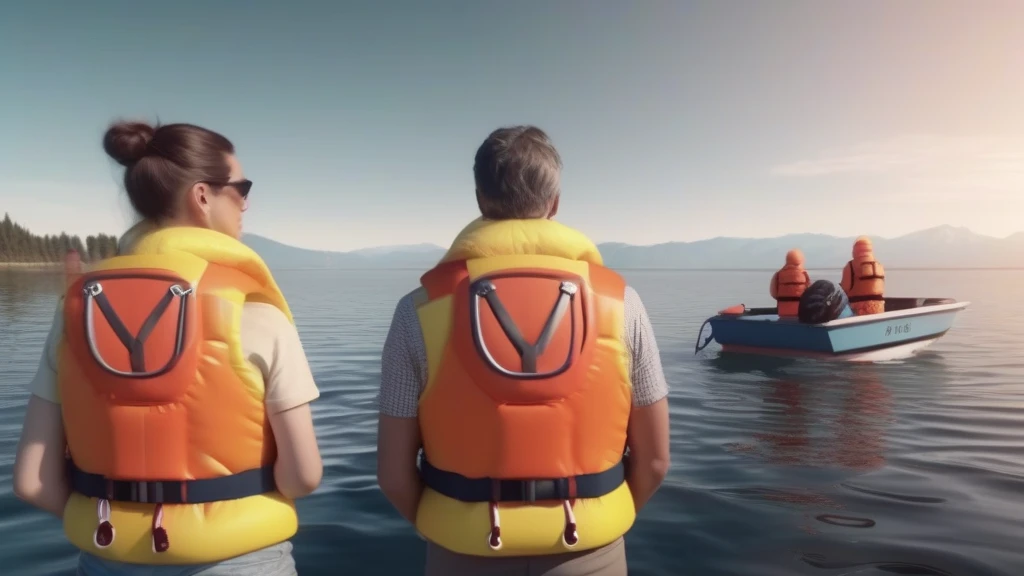
Choosing the right life jacket is a critical decision that directly impacts your safety and comfort during any boating or water sport activity. However, many buyers fall into common pitfalls—ranging from selecting the wrong type of life jacket to overlooking key safety features or fit considerations. This article explores typical mistakes people make when purchasing life jackets and offers practical guidance on how to avoid them, ensuring you make an informed choice that keeps you safe on the water.
Understanding Life Jacket Types: Avoid Choosing the Wrong One
One of the most frequent mistakes is buying a life jacket without considering the US Coast Guard (USCG) life jacket types and how they align with your specific water activities. Life jackets are classified into five main types, each designed for particular environments and flotation needs:
-
Type I: Offshore Life Jackets
Provides maximum buoyancy (minimum 22 lbs of flotation), designed to turn an unconscious wearer face-up in rough or remote waters. Ideal for offshore fishing, commercial mariners, and emergency situations where rescue may be delayed. Mistake: Using Type I jackets for casual near-shore activities can be unnecessarily bulky and uncomfortable. -
Type II: Near-Shore Vests
Moderate buoyancy (minimum 15.5 lbs), suitable for calm, inland waters. These jackets are less bulky but may not reliably turn unconscious wearers face-up. Mistake: Using Type II for offshore or high-risk activities compromises safety. -
Type III: Recreational Life Jackets
Standard buoyancy (minimum 15.5 lbs), designed for active users like kayakers, paddleboarders, and sailors who require comfort and freedom of movement. Mistake: Selecting a Type III jacket without ensuring it provides adequate buoyancy for rough conditions. -
Type IV: Throwable Devices
Cushions or ring buoys intended to be thrown to a person in water, not wearable. Mistake: Using Type IV devices as a substitute for wearable life jackets. -
Type V: Specialty Life Jackets
Designed for specific activities such as windsurfing, kayaking, or work vests with enhanced features. Mistake: Not checking if the Type V vest meets USCG approval for the intended use.
How to avoid this mistake:
Assess your primary water activities and conditions first, then select a life jacket type that aligns with that use. For example, offshore boaters should prioritize Type I or V with maximum buoyancy and durability, while kayakers benefit from ergonomic Type III jackets with flexible foam cores and quick-release buckles.
Overlooking Material and Durability Features
Many buyers focus solely on buoyancy ratings but neglect the material quality and durability of the life jacket, which significantly affects longevity and performance in marine environments.
Common mistakes include:
- Choosing life jackets made from inferior fabrics that degrade quickly under sun exposure.
- Ignoring UV resistance, which is critical for prolonged outdoor use.
- Overlooking the type of flotation core—closed-cell foam or hybrid foam/inflatable bladder designs.
Key material characteristics to look for:
- Ripstop nylon or marine-grade polyester for outer shells that resist tears and UV damage.
- Closed-cell foam cores for reliable, maintenance-free buoyancy.
- Hybrid or inflatable bladder technology for compactness and adjustable buoyancy, especially in activity-specific vests.
- Eco-conscious materials such as recyclable foams and biodegradable coatings, which reflect sustainable manufacturing trends.
How to avoid this mistake:
Research product specifications for UV resistance and fabric durability. If you frequently expose your life jacket to sunlight and saltwater, opt for models with marine-grade fabrics and reinforced stitching. Inflatable life jackets offer convenience but require proper maintenance and inspection to ensure reliability.
Ignoring Safety Features That Enhance Rescue Readiness
Safety features are not just extras—they can make the difference in an emergency. A common error is purchasing life jackets without considering visibility and rescue aids.
Features often overlooked:
- High-visibility colors: Bright orange, yellow, red, or fluorescent blue are easier for rescuers to spot.
- Reflective tape or glow-in-the-dark strips: Crucial for low-light or nighttime rescues.
- Whistles: Built-in whistles help attract attention.
- Rescue handles: Enable easier retrieval by others, especially in rough waters.
- Emergency light mounts: Allow attachment of strobe lights for enhanced signaling.
How to avoid this mistake:
Choose life jackets equipped with multiple visibility enhancements and integrated safety accessories. For example, a fishing vest with reflective tape and a whistle improves your chances of prompt rescue compared to a plain vest.
Poor Fit and Comfort Leading to Unsafe Usage
Even the best life jacket is ineffective if it does not fit properly. Many buyers underestimate the importance of adjustability and comfort, resulting in loose or restrictive jackets that users are reluctant to wear consistently.
Common fitting mistakes:
- Selecting a life jacket based on size charts without trying it on or adjusting straps.
- Ignoring adjustable and reinforced buckles that ensure a secure fit.
- Overlooking ergonomic designs tailored to activity types, such as contoured cuts for paddlers.
- Choosing heavy or bulky jackets that hamper movement.
How to avoid this mistake:
When buying, test for a snug but comfortable fit. The jacket should not ride up over your chin or ears when lifting your arms. Look for models with multiple adjustable straps and quick-release buckles that allow fine-tuning. Activity-specific designs often include flexible foam and anti-slip features to keep the jacket in place during vigorous movement.
Neglecting Regulatory Certifications and Standards
Safety certifications are not mere formalities—they verify that a life jacket meets established performance and testing criteria. A frequent oversight is purchasing life jackets without checking for recognized approvals.
Important certifications include:
- US Coast Guard (USCG) Approval: Mandatory in the United States for most boating activities.
- ISO and CE Marks: European and international standards ensuring quality and safety.
- TÜV Certification: German safety and quality assurance often associated with rigorous testing.
How to avoid this mistake:
Always verify that the life jacket carries the appropriate certification labels for your country and intended use. This guarantees compliance with flotation, durability, and safety requirements. Avoid unmarked or uncertified products, especially for offshore or commercial use.
Underestimating Maintenance and Lifespan
Life jackets require regular inspection and maintenance to remain effective, yet many buyers treat them as disposable safety gear.
Common maintenance mistakes:
- Failing to inspect foam for signs of compression, cracks, or waterlogging.
- Neglecting to clean salt, dirt, or mildew from fabrics and straps.
- Storing jackets improperly in damp or hot environments, leading to material degradation.
- Forgetting to check inflatable bladder seals and CO2 cartridges for expiration and integrity.
How to avoid this mistake:
Follow manufacturer recommendations for cleaning and inspection. Rinse jackets with fresh water after exposure to saltwater, air-dry completely, and store in a cool, dry place. For inflatable jackets, regularly test the inflation mechanism and replace CO2 cartridges as needed. Routine maintenance extends jacket lifespan and ensures reliable flotation.
Misunderstanding Inflatable vs. Foam Life Jackets
Inflatable life jackets have become increasingly popular due to their compactness and comfort, but misconceptions about their use and limitations can lead to unsafe choices.
Common misunderstandings:
- Assuming inflatable jackets provide instant buoyancy without manual or automatic inflation.
- Believing inflatables are suitable for all water activities, including rough offshore conditions.
- Overlooking maintenance requirements unique to inflatable designs.
Key differences:
- Foam life jackets provide constant buoyancy without any activation, suitable for all users including children and commercial mariners.
- Inflatable jackets rely on CO2 cartridges to inflate on demand, offering less bulk but requiring user awareness and upkeep. They are generally recommended for competent swimmers in calm waters.
How to avoid this mistake:
Evaluate your swimming skills, water conditions, and activity type before opting for an inflatable jacket. For offshore or emergency rescue scenarios, foam-based jackets with maximum buoyancy may be safer. If choosing inflatable, commit to regular maintenance and ensure the jacket meets USCG Type V approvals for your activity.
Conclusion: Making Smarter Life Jacket Purchases
Avoiding these common mistakes—selecting the wrong type, ignoring materials and safety features, neglecting fit and certifications, underestimating maintenance, and misunderstanding inflatable options—will help you choose a life jacket that truly protects you on the water.
Remember: Safety on the water starts with informed decisions. Take the time to assess your activity needs, research product features such as UV-resistant fabrics, reflective safety aids, and ergonomic designs, and always verify regulatory approvals. Proper fit, maintenance, and understanding product limitations further enhance your safety.
By investing in the right life jacket, you ensure peace of mind and readiness for any aquatic adventure, whether you're a casual paddler, a commercial mariner, or a family enjoying recreational boating. Stay safe, stay informed, and enjoy the water with confidence.