
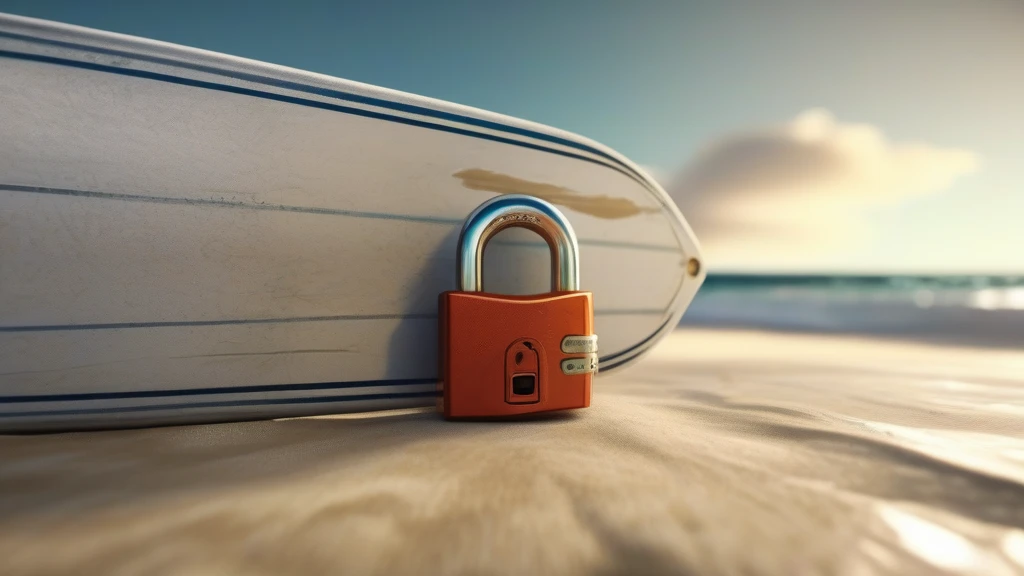
When it comes to securing your valuable surf gear and outdoor equipment, selecting the right lock is crucial. However, many buyers make common mistakes that compromise the effectiveness of their security solutions — especially in demanding coastal and marine environments. Understanding these pitfalls and how to avoid them will help you choose locks that truly protect your gear against theft, corrosion, and wear.
In this article, we’ll explore typical buyer misconceptions in the Locks & Keys category for surfers and outdoor enthusiasts, focusing on high-security padlocks designed for harsh conditions. You’ll learn how to make smarter purchasing decisions by prioritizing important features like corrosion resistance, locking mechanisms, and durability.
Mistake #1: Overlooking Corrosion Resistance for Marine Environments
Why Corrosion Resistance Matters
Saltwater, sand, and humidity create a hostile environment for locks. Standard hardware-store padlocks often fail quickly, rusting and seizing up after just a few uses near the ocean. For surfers and beachgoers, corrosion resistance isn’t a luxury — it’s a necessity.
How to Avoid This Mistake
- Choose marine-grade materials: Look for locks made from stainless steel, brass, or specially coated metals that resist rust and corrosion.
- Check product descriptions: Reliable locks explicitly highlight weatherproof and corrosion-resistant features.
- Consider protective design elements: Products with sealed locking mechanisms prevent salt and sand ingress, extending lock life.
Example: A heavy-duty marine padlock with a stainless steel shackle and a weatherproof body can withstand repeated exposure to salt spray without compromising security or ease of use.
Mistake #2: Ignoring the Locking Mechanism Type and Its Suitability
Keyed vs. Combination Locks — What’s Best for You?
Many buyers fixate on price or aesthetics without considering how they want to operate their locks. The choice between keyed and combination locks affects convenience, security, and how you use the lock day-to-day.
- Keyed Padlocks: Offer trusted, straightforward locking with a physical key. Ideal if you want quick access without remembering codes. However, losing the key can be a hassle.
- Combination Padlocks: Provide keyless convenience and often feature resettable codes, which means you can change the combination as needed. These are great for users who want to avoid carrying keys but may require remembering the code.
How to Avoid This Mistake
- Assess whether you prefer carrying a key or managing a code.
- Verify that combination locks have easy-to-use reset functions.
- Confirm keyed locks come with reliable keys and consider if you need spare keys.
Example: A corrosion-resistant combination lock with a resettable 4-digit code offers good security for surfboard lockers, letting users change the combo regularly to enhance protection.
Mistake #3: Choosing Locks That Are Not Heavy-Duty Enough
The Importance of Robust Construction
Surf gear and outdoor equipment are often stored in public or semi-public places, making them targets for opportunistic thieves. A flimsy lock won’t deter determined thieves or withstand the rough conditions of outdoor use.
How to Avoid This Mistake
- Select locks with heavy-duty shackles and solid bodies.
- Look for products offering reinforced steel or boron alloy components.
- Check product specifications for impact resistance or security ratings.
Example: A heavy-duty padlock with a boron steel shackle offers enhanced cut resistance, deterring bolt cutters or prying attempts common in outdoor theft scenarios.
Mistake #4: Neglecting Portability and Ease of Use
Why Convenience Matters for Active Users
Surfers and outdoor adventurers value lightweight, compact gear. A bulky or overly complex lock can be a nuisance, especially when juggling multiple pieces of equipment.
How to Avoid This Mistake
- Opt for locks designed with portability in mind, such as slim profiles and lightweight materials.
- Choose locks with user-friendly mechanisms—smooth key inserts or intuitive combination dials.
- Consider how quickly you need to secure and access your gear during active sessions.
Example: A slim, corrosion-resistant combination lock with an ergonomic dial makes locking your wetsuit bag quick and hassle-free between surf sessions.
Mistake #5: Failing to Match Lock Features to Specific Use Cases
Different Uses Require Different Locks
Not all locks serve the same purpose, even within the surf and outdoor context. Securing a surfboard at the beach may require different features than locking a gym locker or a bike.
How to Avoid This Mistake
- Identify your primary use case before purchasing.
- For surfboards and wetsuit bags, prioritize corrosion resistance and portability.
- For outdoor storage lockers or bikes, emphasize heavy-duty security and cut resistance.
- Consider if your lock needs to withstand impact, salt spray, or both.
Example: A corrosion-resistant keyed padlock is ideal for a beach locker, while a heavy-duty combination lock with a hardened shackle better suits securing a bike outside.
Mistake #6: Overlooking Maintenance and Longevity Considerations
Locks Need Care to Perform Well Over Time
Salt, sand, and moisture can degrade locks even if they are corrosion-resistant. Buyers sometimes underestimate the importance of maintenance to prolong lock life.
How to Avoid This Mistake
- Choose locks with sealed mechanisms to minimize internal corrosion.
- Regularly rinse locks with fresh water after saltwater exposure.
- Lubricate locking parts with appropriate products to ensure smooth operation.
- Store keys and lock manuals safely for future reference.
Example: A marine-grade lock featuring a sealed keyway reduces salt intrusion, minimizing jams and ensuring reliable operation season after season.
Conclusion: Making Smart Lock Purchases for Surf and Outdoor Gear
Buying locks and keys for surf gear and outdoor equipment requires careful consideration beyond just price or appearance. Avoid common mistakes by prioritizing corrosion resistance, selecting the right locking mechanism, ensuring heavy-duty construction, balancing portability with security, matching the lock to your specific needs, and committing to proper maintenance.
By focusing on these critical factors and understanding product characteristics like marine-grade materials, resettable combination dials, and reinforced shackles, you can confidently choose locks that provide durable, reliable protection in the harshest coastal environments. This not only safeguards your valuable gear but also gives you peace of mind to enjoy your outdoor adventures worry-free.
Keywords: corrosion-resistant locks, marine padlocks, keyed vs combination locks, heavy-duty padlocks, surf gear security, outdoor equipment locks, weatherproof padlocks, resettable combination locks