
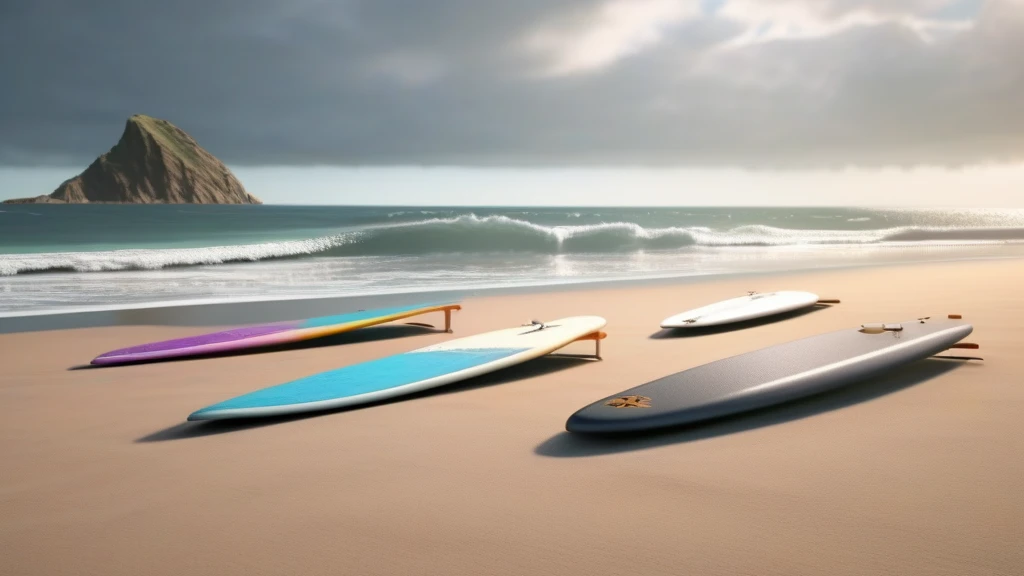
Longboard surfboards offer a unique blend of style, stability, and versatility that appeals to surfers of all skill levels—from beginners eager to catch their first wave to seasoned riders mastering classic noserides or freestyle maneuvers. However, purchasing the right longboard can be challenging, especially given the variety of design features, materials, and performance characteristics available today. Making uninformed decisions often leads to frustration, wasted money, or suboptimal surfing experiences.
In this article, we’ll explore some of the most common mistakes buyers make when choosing longboard surfboards and provide practical tips on how to avoid them. By understanding key product features such as board length, tail shape, rocker profile, construction materials, fin setups, and safety certifications, you can confidently select a longboard that matches your surfing style, ability, and environmental values.
Mistake #1: Choosing the Wrong Board Length for Your Skill Level and Use Case
Why Length Matters
Longboard surfboards typically range from about 8’0” to 10’0” in length. This size spectrum influences stability, maneuverability, paddling ease, and wave-catching ability. Selecting an inappropriate length can hinder your progress or limit your enjoyment.
- Too Long for Beginners: While longer boards generally offer more stability, an overly long board (closer to 10’0”) may be cumbersome for a beginner to handle on land or in the water, especially when paddling or attempting turns.
- Too Short for Stability: Conversely, a shorter longboard (around 8’0”) might be more maneuverable but less stable for novices still learning balance and wave timing.
How to Avoid This Mistake
- Assess Your Skill Level: Beginners should opt for boards in the 9’0” to 9’6” range for an ideal mix of stability and manageability. This length offers enough volume and surface area to aid paddling and balance.
- Consider Your Primary Use: If you want a board for freestyle or advanced noseriding, a slightly shorter, lighter longboard with specific tail shapes and rocker profiles might be preferable.
- Try Before You Buy: Whenever possible, test different lengths through rentals or demos to see what feels comfortable in your typical surfing conditions.
Mistake #2: Ignoring the Importance of Tail Shape and Rocker Profile
Understanding Tail Shapes
Longboard tails come in various shapes—round, squash, pin, swallow, and square—each affecting control, turning radius, and wave responsiveness.
- Round Tails: Provide smooth, stable turns and are great for classic cruising and noseriding.
- Squash Tails: Offer a balance between maneuverability and stability, suitable for freestyle and all-around surfing.
- Pin Tails: Enhance control in steep or powerful waves but are less common on longboards.
- Swallow and Square Tails: Provide sharp turning capabilities but may sacrifice some glide.
Rocker Profile Considerations
The rocker—the curve of the board from nose to tail—affects speed, paddling ease, and wave adaptability.
- Flat Rocker: Increases glide and speed on small, mellow waves but may cause nose diving in steeper waves.
- Moderate to High Rocker: Offers better maneuverability and control on larger or hollow waves but can reduce paddling efficiency.
- Continuous Rocker: Provides smooth transition and flow for classic longboarding styles.
How to Avoid This Mistake
- Match Tail Shape to Your Style: If you prefer relaxed cruising and noseriding, seek boards with round or squash tails. For sharper turns or freestyle, consider squash or swallow shapes.
- Choose Rocker Based on Wave Conditions: Flat or moderate rockers are ideal for small to medium waves, while higher rockers suit surf spots with steeper waves.
- Consult Surf Experts or Reviews: Understanding how these design elements perform in real conditions can guide smarter choices.
Mistake #3: Overlooking Material Construction and Sustainability
The Impact of Materials on Performance and Durability
Longboards use a combination of materials like epoxy, fiberglass, polyurethane foam cores, and increasingly, carbon fiber reinforcements. Each material influences weight, strength, durability, and overall feel.
- Epoxy and Fiberglass: Epoxy boards are lighter and more durable than traditional fiberglass but can be pricier.
- Polyurethane Foam Cores: Provide classic feel and flex but may be heavier and less impact resistant.
- Carbon Fiber Reinforcements: Enhance strength and reduce weight, favored by advanced surfers focused on performance.
Sustainability Considerations
With growing awareness around environmental impact, many manufacturers incorporate eco-friendly, recyclable components and low carbon footprint processes.
- Boards with eco-friendly resin systems or bio-based foams reduce environmental harm.
- Some surfboards come with UV-resistant coatings and impact-resistant layers that extend lifespan, reducing waste.
How to Avoid This Mistake
- Prioritize Durability and Weight: Look for boards with a good balance of lightweight but robust materials, especially if you plan frequent travel or intense use.
- Explore Eco-Friendly Options: If sustainability matters to you, seek boards labeled with certifications or made using recyclable and low-impact materials.
- Consider Maintenance and Repairability: Materials that are easier to repair or come with repair kits can prolong board life.
Mistake #4: Not Considering the Fin Setup and Its Effect on Control
Common Fin Configurations
The fin setup significantly influences board stability, speed, and turning.
- Single Fin: Classic longboard setup favoring smooth, stable rides and easier noseriding.
- 2+1 Setup: A larger center fin with two smaller side fins offers a good mix of stability and maneuverability.
- Thruster (Three Fins): Provides increased control and sharper turning, common in more performance-oriented longboards.
- Quad Fin: Offers speed and drive, especially in faster waves but can be less stable at slower speeds.
Additional Fin Features
- Adjustable or Foldable Fins: Enhance portability and allow tuning for different wave conditions.
- Fin Box Types: Compatibility with different fin systems (FCS, Futures) affects upgrade options.
How to Avoid This Mistake
- Choose Fin Setup Based on Riding Style: Beginners and classic longboarders benefit from single or 2+1 setups for ease of control, while freestyle surfers may prefer thruster or quad configurations.
- Look for Versatile Fin Options: Boards with removable or adjustable fins allow customization as your skills develop.
- Check Fin Compatibility: Ensure your preferred fin system matches the board’s fin boxes for future flexibility.
Mistake #5: Neglecting Safety Certifications and Accessories
Why Safety Matters
Surfboards should meet safety and durability standards to reduce injury risks and withstand impacts.
- Look for certifications such as ISO, CE, or TÜV, which indicate compliance with recognized quality and safety benchmarks.
- Features like UV-resistant coatings help maintain board integrity over time.
Essential Accessories
- Carry Bags: Protect your board during transport and storage.
- Leashes: Prevent your board from drifting away in the water.
- Wax Kits and Repair Kits: Ensure proper grip and allow quick fixes.
How to Avoid This Mistake
- Verify Certifications: Choose boards that list safety certifications to ensure durability and reliability.
- Factor in Included Accessories: Boards bundled with essential gear can simplify your setup and enhance safety.
- Prioritize Ergonomic Features: Soft tops and anti-slip decks improve beginner safety and comfort.
Conclusion
Buying a longboard surfboard is an exciting step toward enhanced wave-riding enjoyment, but it requires careful consideration to avoid common pitfalls. By paying close attention to board length, tail shape, rocker profile, construction materials, fin setups, and safety certifications, you can select a board that complements your skill level, surfing style, and environmental values.
Remember to test different boards when possible, seek expert advice, and prioritize quality and sustainability alongside performance. With this informed approach, you’ll be well-equipped to find a longboard surfboard that delivers smooth, stable rides and lasting satisfaction on the water.