
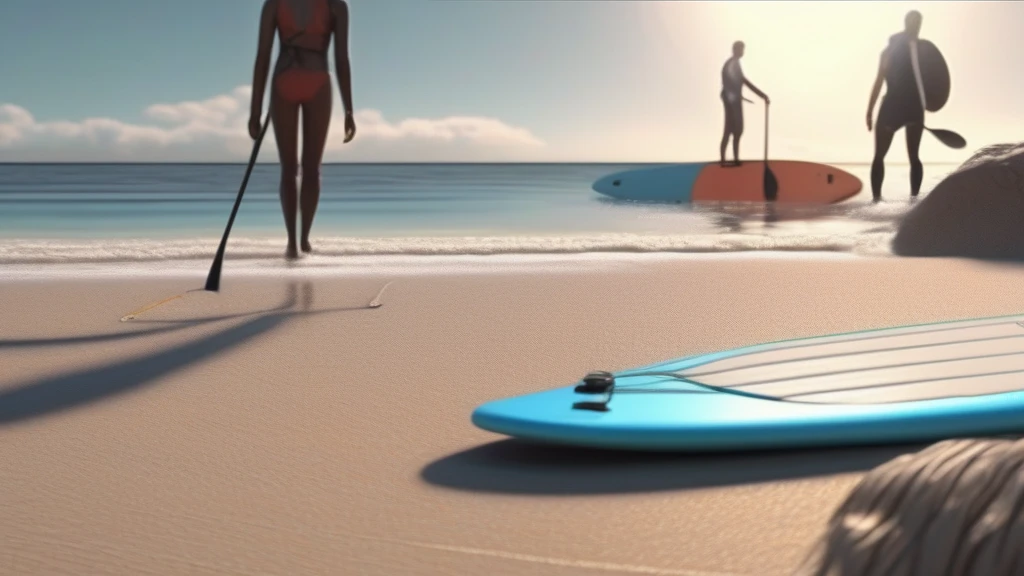
Stand-up paddleboarding (SUP) has surged in popularity as an accessible, fun, and versatile water sport. Whether you’re seeking a relaxing day on calm lakes, an intense fitness workout, or an adventurous tour along coastal waters, the right paddleboard can make all the difference. However, buying a paddleboard can be daunting with the many types, materials, and features available. Newcomers and even experienced paddlers sometimes make avoidable mistakes that impact their enjoyment, safety, and long-term satisfaction.
This article highlights some of the most common mistakes buyers make when selecting paddleboards and offers actionable tips to help you make a smarter, more informed purchase.
Mistake #1: Choosing the Wrong Paddleboard Type for Your Activity
One of the biggest pitfalls is buying a paddleboard not suited to your primary use. Paddleboards come in specialized designs for recreational paddling, yoga, touring, fishing, racing, and fitness, each with distinct characteristics that affect performance and comfort.
How to Avoid It
- Match the hull design and shape to your activity.
- Recreational SUPs typically have wider, thicker planing hulls that offer excellent stability, ideal for beginners and casual paddlers.
- Touring boards feature displacement hulls with pointed noses to cut through water efficiently, perfect for long-distance paddling.
- Yoga SUPs prioritize wide, stable platforms with textured, non-slip deck pads to hold poses securely.
- Fishing paddleboards emphasize stability and storage capacity, often equipped with built-in rod holders and bungee systems.
-
Racing boards are narrow, lightweight, and streamlined for speed, requiring advanced skill to balance.
-
Consider your skill level. Beginners should start with wider, stable boards made from durable, forgiving materials like inflatable drop-stitch fabric. Advanced paddlers can explore rigid fiberglass or carbon fiber models for enhanced performance.
-
Think about where you’ll paddle. Calm lakes and slow rivers favor stable, wider boards; ocean or whitewater paddling requires more specialized shapes and materials.
Mistake #2: Overlooking Material and Construction Differences
Paddleboards are made from various materials including inflatable drop-stitch fabric, rigid fiberglass, foam composites, and carbon fiber reinforcements. Each material impacts durability, weight, portability, and price.
How to Avoid It
- Understand the trade-offs:
- Inflatable SUPs made from layered PVC and drop-stitch fabric are lightweight, portable (foldable into backpacks), and generally more affordable. They inflate quickly (often within 5–10 minutes) and are forgiving for beginners. However, they may not offer the same rigidity as solid boards.
-
Solid boards constructed from fiberglass or epoxy resin over foam cores provide superior stiffness and responsiveness. Carbon fiber reinforcements further reduce weight and increase performance, ideal for racers and touring enthusiasts. These boards require more careful transportation and storage.
-
Check the quality of construction: Look for reinforced rails, durable deck pads, and robust fin systems. Some inflatable boards include repair kits and eco-friendly coatings, reflecting a commitment to longevity and sustainability.
-
Consider maintenance: Inflatable boards require regular cleaning and drying to prevent mold; solid boards need attention to dings and scratches to maintain integrity.
Mistake #3: Ignoring Fin Systems and Their Impact on Control
Fins play a crucial role in tracking (how well the board goes straight) and maneuverability. SUPs come with single, dual, or tri-fin setups that suit different paddling styles.
How to Avoid It
- Choose the right fin configuration:
- Single fins offer straightforward tracking, suitable for touring and beginners.
- Tri-fin (thruster) setups improve stability and turning, favored by surfers and fitness paddlers.
-
Dual fins are less common but can provide a balance of tracking and maneuverability.
-
Look for adjustable or quick-lock fin systems: These allow you to swap or remove fins easily for transport and adapt to different water conditions.
-
Consider fin size and placement: Larger fins enhance tracking but reduce maneuverability; smaller or more flexible fins improve turning.
Mistake #4: Neglecting Portability and Storage Considerations
Many buyers underestimate the importance of how they will transport and store their paddleboard — especially if space is limited or they plan to travel.
How to Avoid It
-
Evaluate board weight and dimensions: Inflatable SUPs weigh significantly less (typically 15–25 lbs) and pack down into backpacks, making them a favorite for urban dwellers or travelers. Solid boards are heavier and require roof racks or trailers.
-
Check included accessories: Quality inflatable boards come with efficient hand pumps, durable carry bags, shoulder straps, and repair kits.
-
Plan for storage: Boards should be stored dry, away from direct sunlight to prevent UV damage. Inflatable boards can be deflated and stored compactly, while solid boards need space and protective covers.
Mistake #5: Overlooking Safety Features and Accessories
Safety is paramount in any water sport, but many buyers overlook essential features that enhance security and convenience on the water.
How to Avoid It
-
Look for leash attachments: Most boards include secure D-rings to attach ankle or calf leashes, preventing the board from drifting away if you fall.
-
Prioritize non-slip deck pads: Textured EVA foam pads improve grip and comfort, reducing the risk of slips.
-
Consider bungee storage systems: These allow you to secure gear such as water bottles, dry bags, or fishing equipment safely.
-
Check for included repair kits: Small punctures or scrapes happen; having a repair kit ensures quick fixes without returning to shore.
-
Use proper safety gear: Always pair your paddleboard with a personal flotation device (PFD) appropriate to your activity and local regulations.
Mistake #6: Disregarding Environmental Impact
As outdoor enthusiasts, many paddleboarders value sustainability but may not realize the environmental footprint of their equipment.
How to Avoid It
-
Seek boards made from eco-friendly materials: Some manufacturers use biodegradable coatings, recycled PVC, or sustainably sourced composites.
-
Look for sustainability certifications: ISO, CE, and TÜV certifications indicate compliance with environmental and safety standards.
-
Practice responsible paddling: Avoid disturbing wildlife habitats, minimize pollution, and clean your board to prevent the spread of invasive species.
-
Support brands with low carbon manufacturing processes: Companies investing in renewable energy and waste reduction contribute to preserving waterways.
Mistake #7: Rushing the Purchase Without Proper Research or Testing
Buying a paddleboard on impulse or solely based on price can lead to dissatisfaction and wasted money.
How to Avoid It
-
Research extensively: Read reviews, compare product features like hull design, materials, fin systems, and user suitability.
-
Try before you buy: Many retailers or rental shops offer demo days or test paddles. Experiencing different boards helps you understand what fits your balance, paddling style, and comfort.
-
Consult expert advice: Forums, blogs, and local paddleboarding communities provide valuable insights and can answer specific questions.
-
Plan for your growth: If you’re a beginner, choose a board that allows skill development rather than one designed only for advanced paddlers.
Conclusion
Buying the right paddleboard requires thoughtful consideration of your intended use, skill level, materials, portability, and safety features. Avoiding common mistakes like mismatched board types, overlooking fin systems, or ignoring environmental impact will lead to a more enjoyable, safe, and sustainable paddleboarding experience. By educating yourself about construction, design, and accessories, you can confidently select a board that enhances your time on the water and supports your paddling goals for years to come.