
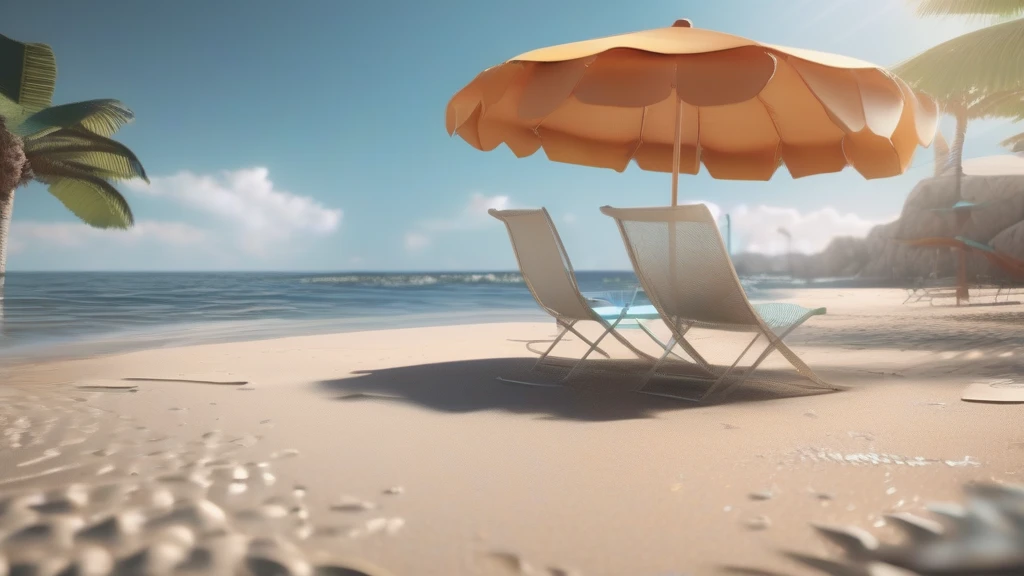
When the sun is shining bright and outdoor plans are on the horizon, a reliable parasol becomes an essential companion. Designed primarily for sun protection, parasols offer portable shade at beaches, campsites, patios, and picnic spots. However, despite their widespread popularity, many buyers fall into common pitfalls when selecting a parasol, resulting in disappointing performance, premature wear, or inadequate sun protection.
This article delves into typical mistakes people make when purchasing parasols and offers practical advice to help you make smarter, informed decisions—ensuring your parasol not only looks great but also stands up to outdoor conditions while protecting your health.
Understanding the Purpose: Don’t Confuse Parasols with Rain Umbrellas
Mistake 1: Buying a Parasol Without Considering Its Primary Function
A frequent misconception is treating parasols as rain umbrellas. While both share a similar umbrella-like shape, parasols are specially designed for sun protection, focusing on blocking harmful UV rays rather than repelling heavy rain.
How to Avoid:
Look for parasols with certified high UPF ratings, typically UV50+ to UV80+, which indicate their effectiveness in filtering ultraviolet rays. Parasols often use multi-layered UV coatings or specialized fabrics to provide superior sun defense, unlike standard rain umbrellas that prioritize water resistance.
Size Matters: Avoid Choosing Parasols That Are Too Small or Too Large
Mistake 2: Selecting a Parasol Based Solely on Portability or Price
A compact parasol is easier to carry but may provide insufficient shade, leaving you exposed during peak sun hours. Conversely, an oversized canopy might be bulky or difficult to stabilize in windy conditions.
How to Avoid:
Assess your specific needs:
- For solo beachgoers or campers: A canopy diameter of around 6 feet often offers balanced coverage and portability.
- For families or group picnics: Consider parasols with canopies between 8 to 10 feet to ensure ample shade.
Check the canopy size against your intended use while considering transport convenience. Many parasols fold down compactly and come with carry bags to balance size and mobility.
Material Matters: Overlooking Fabric and Frame Quality
Mistake 3: Ignoring Fabric Durability and Environmental Impact
Not all parasol fabrics are created equal. Some use basic polyester, which may degrade quickly under sun exposure, while others utilize eco-friendly, sustainable fabrics that combine durability with environmental consciousness.
How to Avoid:
Choose parasols made from water-resistant, quick-dry, and tear-resistant fabrics that maintain their UPF performance over time. Look for options using recycled or sustainably sourced materials if minimizing environmental impact is important to you.
Mistake 4: Overlooking the Frame’s Material and Structural Features
Frames constructed from rustproof aluminum or steel are ideal for outdoor use. Cheaper materials may corrode or bend easily, compromising stability.
How to Avoid:
Select parasols with reinforced ribs—preferably double-vented—to withstand breezy conditions and reduce canopy flapping. These features increase wind resistance and improve longevity.
Stability Systems: Don’t Underestimate the Importance of Secure Anchoring
Mistake 5: Assuming One Stability Solution Fits All Terrains
Parasols can topple quickly if not properly anchored, especially on uneven or soft surfaces like sand and grass.
How to Avoid:
Understand the terrain where you’ll typically use the parasol and choose an appropriate stability system:
- Sand beaches: Screw-in bases or sand anchors provide deep, secure fixation.
- Grass or soil: Weighted bags or ground stakes can help stabilize the pole.
- Patios or hard surfaces: Clamp bases or weighted stands offer firm grip without damaging flooring.
Some parasols come with versatile anchoring kits or modular accessories to adapt to different environments.
Adjustability: Overlooking Features That Maximize Shade Throughout the Day
Mistake 6: Buying Parasols Without Adjustable Canopies or Height Settings
A fixed canopy angle or height limits your ability to block low-angle sun during mornings or late afternoons.
How to Avoid:
Look for parasols with tiltable canopies and multi-angle adjustment capabilities, enabling you to customize shade direction as the sun moves. Height-adjustable poles allow you to optimize coverage whether you’re sitting or standing.
Maintenance Neglect: Failing to Care for Your Parasol Properly
Mistake 7: Ignoring Care Instructions Leading to Premature Wear
Even the best parasols can deteriorate quickly if neglected. Exposure to moisture, dirt, or constant sun without proper cleaning and storage reduces fabric integrity and frame stability.
How to Avoid:
Follow these maintenance tips:
- Clean the canopy with mild soap and water, avoiding harsh chemicals.
- Allow the parasol to dry fully before folding to prevent mildew.
- Store in a cool, dry place during off-seasons.
- Regularly check for rust or loose screws on the frame and address issues promptly.
Proper upkeep extends the life and performance of your parasol.
Style and Aesthetic Considerations: Matching Your Outdoor Space
Mistake 8: Overlooking Color and Design Impact on Heat and Ambiance
While style is secondary to function, canopy color influences heat absorption and outdoor ambiance.
How to Avoid:
Light-colored canopies reflect more sunlight, helping keep the shaded area cooler, while darker fabrics absorb heat but may offer richer UV protection. Consider how your parasol’s color and pattern complement your outdoor furniture or environment for an inviting setup.
Summing Up: Smart Buying Decisions for the Perfect Parasol
Purchasing a parasol is more than just picking a pretty umbrella. It involves thoughtful consideration of sun protection ratings, canopy size, materials, stability systems, adjustability, maintenance, and style. Avoiding these common mistakes ensures you invest in a parasol that reliably shields you from harmful UV rays, withstands diverse weather conditions, and suits your lifestyle and values.
By focusing on certified UPF fabrics, reinforced frames, appropriate anchoring methods, and versatile adjustments, you can enjoy comfortable, safe outdoor moments with confidence—whether you’re lounging on the beach, camping in the woods, or relaxing on your patio.
Key Takeaways for Parasols Buyers
- Prioritize parasols with UV50+ or higher UPF ratings for effective sun protection.
- Choose canopy size based on the number of users and intended environment.
- Opt for durable, eco-friendly fabrics and rustproof frames with wind-resistant designs.
- Match your stability system to your usual outdoor terrain.
- Select adjustable canopies and heights for optimal shade throughout the day.
- Maintain your parasol regularly to prolong its lifespan.
- Consider canopy color’s impact on heat and outdoor aesthetics.
With these insights, you’re well-equipped to select a parasol that enhances your outdoor experiences safely and stylishly.