
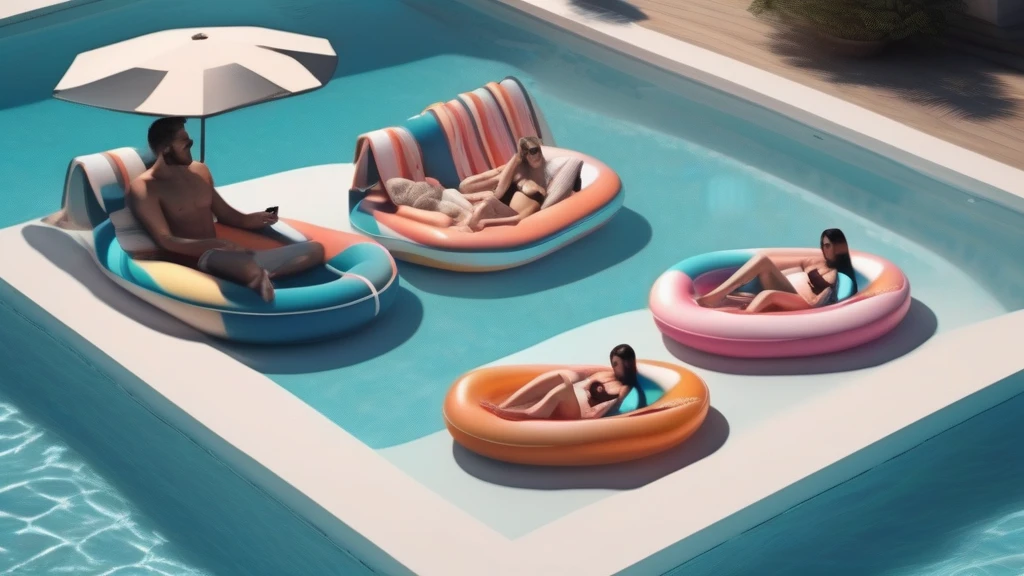
Pool floats are a staple of summer fun, offering a perfect blend of relaxation, social enjoyment, and mild water adventure. Whether you're lounging solo on a calm pool afternoon, socializing with friends, or towing a float behind a boat, choosing the right pool float can dramatically enhance your aquatic experience. However, many buyers make common mistakes that can lead to disappointment, reduced durability, or even safety concerns. This article explores typical pitfalls when purchasing pool floats and provides practical guidance to help you make smarter, more satisfying choices.
Understanding Pool Float Types: Sit-In vs. Lay-On-Top
Mistake #1: Not Considering the Float Design Relative to Use
One of the most frequent errors is overlooking the fundamental difference between sit-in and lay-on-top pool floats. Sit-in floats feature a recessed seating area, offering ergonomic support and often more stability. They are ideal for users who prefer a secure sitting position, such as those seeking longer relaxation sessions or gentle socializing. In contrast, lay-on-top floats provide a flat surface designed for lounging and sunbathing, allowing users to stretch out comfortably.
How to Avoid:
Assess your primary float use. If your goal is social interaction or extended sitting comfort, a sit-in design with ergonomic contours is advisable. For sun lovers who want to recline and soak up rays, lay-on-top floats with broad, cushioned surfaces work best. Remember that some models support both styles, so check product specifications for versatility.
Matching Float Capacity to Your Social Needs
Mistake #2: Buying a Float Without Considering User Capacity
Pool floats come in various sizes, from single-person loungers to multi-person group floats accommodating up to four users. A common mistake is purchasing a float too small for your intended group or too large for solitary use, leading to awkward fit and reduced enjoyment.
How to Avoid:
Determine who will use the float and how often. For solo relaxation or children, lightweight single floats with easy maneuverability and simple inflation are ideal. For families or group gatherings, multi-person floats provide ample space for social bonding and shared fun. Multi-person options often feature reinforced materials and stability enhancements to safely support the weight of several users.
Overlooking Material Durability and Maintenance
Mistake #3: Choosing Floats Based Solely on Appearance
While vibrant colors like yellow, orange, red, and blue enhance visibility and aesthetic appeal, buyers sometimes prioritize looks over material quality. Pool floats must withstand sun exposure, pool chemicals, occasional towing, and rough handling. Materials like heavy-duty vinyl or reinforced PVC offer durability and puncture resistance, ensuring longer lifespan and safety.
How to Avoid:
Look for floats made from durable, easy-to-maintain materials. Check product descriptions for terms like “reinforced seams,” “UV-resistant coating,” and “heavy-duty construction.” Avoid thin, cheaply made inflatables that can easily puncture or lose shape. Proper maintenance — including rinsing with fresh water after use, storing away from direct sunlight, and patching minor holes promptly — prolongs float life.
Neglecting Safety Features and Visibility
Mistake #4: Ignoring Safety and Visibility Considerations
Safety on the water is paramount, especially when children or less experienced swimmers use pool floats. Some buyers neglect safety features such as sturdy handles, secure seating, and bright, eye-catching colors that improve visibility in a crowded pool or lake.
How to Avoid:
Choose floats with built-in safety features like handles for easy gripping and stability, non-slip surfaces, and secure seating areas, particularly for children. Bright colors such as orange, yellow, and red not only look fun but also make floats easier to spot, reducing the risk of accidents. If you plan to tow a float behind a boat, verify the float’s towing rating and structural strength.
Underestimating Inflation and Portability Factors
Mistake #5: Overlooking Ease of Inflation and Transport
Some pool floats are bulky or difficult to inflate, which can cause frustration and limit spontaneous use. Others may be heavy when deflated or lack convenient storage options, making transport and setup cumbersome.
How to Avoid:
Select floats designed for quick, easy inflation — models with wide valves or compatibility with electric pumps are particularly user-friendly. Lightweight materials and compact deflation profiles enhance portability, making it simple to bring your float to various water settings like pools, lakes, or beaches. Consider the float’s weight and packaging size for storage convenience.
Failing to Match Float Features to Water Environment
Mistake #6: Buying Floats Unsuitable for Your Water Setting
Not all floats perform equally well across different water environments. Calm pools, lakes, and slow-moving rivers have different requirements than open water or choppy conditions. Some floats are designed strictly for tranquil settings, while others offer enhanced stability or towing capabilities for mild adventures.
How to Avoid:
Identify your primary water environment. For calm pools and lakes, standard sit-in or lay-on-top floats with stable bases and comfortable shapes suffice. If you anticipate towing behind a boat or gliding on mild waves, prioritize floats with reinforced construction, secure handles, and tested towing ratings. Avoid using delicate floats in rough water, as this can lead to damage or safety risks.
Overpaying for Unnecessary Features
Mistake #7: Paying Extra for Features You Don’t Need
The market offers pool floats with a variety of additional features such as built-in cup holders, shade canopies, or attached coolers. While these extras can enhance convenience, they also add cost and complexity.
How to Avoid:
Focus on core features that align with your primary uses. For example, if your main goal is simple lounging, a comfortable, well-made float without extras may suit you best. For social gatherings, features like cup holders or multi-person seating might add value. Avoid overcomplicating your purchase by carefully evaluating which features you will truly use.
Summary: Tips for Smarter Pool Float Purchases
- Match float design to your lounging style: Sit-in for ergonomic support; lay-on-top for sunbathing comfort.
- Choose capacity based on user group size: Solo floats for individuals; multi-person models for families and friends.
- Prioritize durable, easy-to-maintain materials: Heavy-duty vinyl or reinforced PVC with UV protection.
- Ensure safety and visibility: Handles, secure seating, and bright colors improve safety.
- Consider inflation ease and portability: Wide valves, pump compatibility, and lightweight design matter.
- Select floats suitable for your water environment: Stability and towing features vary by setting.
- Evaluate features carefully: Buy only what adds real value to your experience.
By avoiding these common mistakes and focusing on thoughtful selection criteria, you’ll enjoy pool floats that provide lasting comfort, safety, and fun for all your aquatic adventures. Whether it’s a solo day of tranquility or a lively family gathering, the right pool float enhances every splash and sunny moment.