
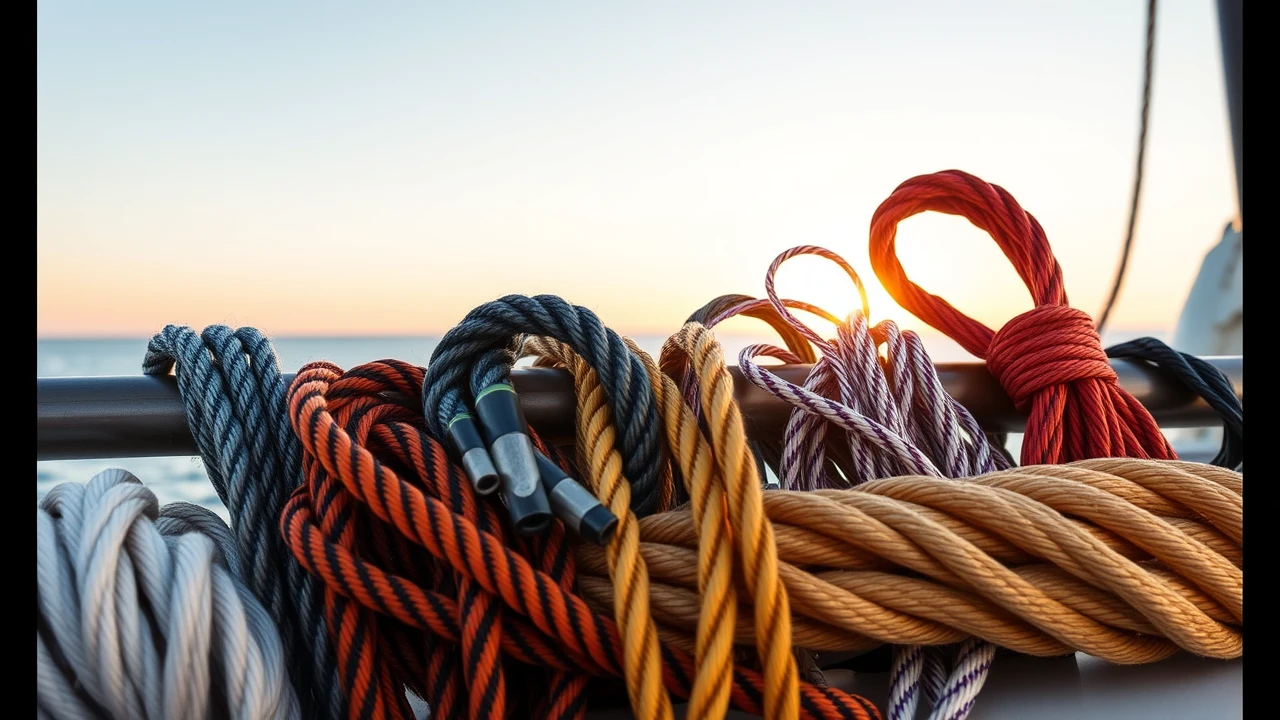
Choosing the right rope or hardware cable for marine, water sports, rescue, or docking applications might seem straightforward at first glance. However, many buyers fall into common pitfalls that can compromise safety, durability, and performance. Whether you're a recreational boater, a water sports enthusiast, or a professional rescue operator, understanding the nuances of ropes and hardware cables is essential to making informed decisions that protect lives, equipment, and the environment.
In this article, we’ll explore typical mistakes made when purchasing ropes and hardware cables, explain why they matter, and offer practical advice to help you avoid these errors. We will also highlight key product features and specifications to consider, ensuring you select the right rope for your unique needs.
Mistake #1: Ignoring the Importance of Material Selection
Why Material Matters
Ropes used in marine and water sports environments face harsh conditions: constant exposure to water, UV rays, abrasion, and heavy loads. The choice of material directly affects the rope’s strength, durability, buoyancy, and resistance to environmental factors.
Common Materials and Their Characteristics
-
Nylon: Known for excellent elasticity and strength, nylon ropes absorb shock loads well, making them ideal for dynamic towing uses like wakeboarding and water skiing. However, nylon absorbs water, which can increase weight and reduce strength over time.
-
Polypropylene: Lightweight, buoyant, and resistant to rot and mildew, polypropylene ropes float on water and resist UV damage. This makes them popular for docking lines and tow ropes for inflatable tubes. Polypropylene is less abrasion-resistant than polyester or nylon.
-
Polyester: Offers outstanding abrasion resistance, UV stability, and low stretch. Polyester ropes do not float but provide excellent durability for anchor lines and docking ropes where strength and longevity are priorities.
-
Braided Polyethylene: This modern synthetic is highly abrasion-resistant and buoyant, often used in rescue ropes and specialized tow ropes. Its floating characteristic enhances visibility and safety in emergency situations.
How to Avoid the Mistake
Always match the rope material to your specific activity and environment. For example:
- Choose polypropylene or braided polyethylene ropes for floating tow ropes and recreational water sports.
- Opt for polyester when you need a strong, abrasion-resistant anchor or docking line.
- Use nylon for dynamic loads requiring some elasticity, like wakeboarding.
Mistake #2: Overlooking Rope Thickness, Length, and Tensile Strength
Why Size and Strength Are Critical
Rope diameter and tensile strength determine load capacity and safety margins. Underestimating these specifications can lead to rope failure, equipment damage, or personal injury.
Typical Specifications to Consider
- Thickness: Ranges from 6mm to 12mm in this category. Thicker ropes generally offer higher tensile strength but can be heavier and less flexible.
- Length: Varies from 25 to 100 feet depending on use. For example, tow ropes for water skiing are often around 50 feet, while docking lines may require longer lengths.
- Tensile Strength: Some ropes withstand up to 2,500 lbs of force. Rescue ropes often have higher strength ratings to ensure reliability under extreme loads.
How to Avoid the Mistake
- Calculate the maximum expected load and select a rope with a tensile strength at least 25-50% higher for a safety margin.
- Choose rope thickness that balances strength with ease of handling — thicker ropes provide strength but may be cumbersome.
- Measure the required length carefully; too short limits functionality, too long adds unnecessary weight and storage challenges.
Mistake #3: Neglecting Safety Features Like Handles and Quick-Release Mechanisms
Why Safety Enhancements Matter
Ropes used in rescue, towing, or docking situations often require ergonomic features to improve grip, reduce hand fatigue, and enable quick disengagement in emergencies.
Key Safety Features to Look For
- Ergonomic Handles: Handles made from EVA foam or rubber provide non-slip, comfortable grips especially when wet. This is crucial for water sports ropes where users frequently grab and release.
- Reinforced Loops: Double-stitched or heat-fused loops reduce wear and improve connection strength to cleats, hooks, or pulleys.
- Quick-Release Mechanisms: Enable rapid detachment in rescue or towing scenarios to prevent entanglement or injury.
How to Avoid the Mistake
Don’t settle for plain ropes without these safety enhancements if your use case demands frequent handling or rapid release. For example, rescue personnel should prioritize ropes with high-visibility colors, ergonomic grips, and certified quick-release systems.
Mistake #4: Choosing Non-Floating Ropes for Water Activities
Floating vs. Non-Floating Ropes
Floating ropes stay on the water surface, making them easier to see, retrieve, and manage. Non-floating ropes sink, which can be an advantage for anchoring but a hazard in towing or rescue scenarios.
Impact on Performance and Safety
- Floating Ropes: Ideal for wakeboarding, water skiing, and towable tubes because they reduce the risk of rope entanglement under water and improve visibility.
- Non-Floating Ropes: Best suited for anchor lines and docking where rope sinking prevents drift and tangling.
How to Avoid the Mistake
Match rope buoyancy to your activity:
- Always use floating ropes for towing and rescue to enhance safety.
- Opt for non-floating polyester ropes for anchoring and mooring where rope stability underwater matters.
Mistake #5: Disregarding Environmental and Sustainability Considerations
Why Eco-Friendly Ropes Are Important
Increasingly, water enthusiasts and professionals seek ropes made with biodegradable coatings, recyclable components, and sustainable manufacturing practices to reduce environmental impact.
Sustainable Features to Look For
- Biodegradable coatings that accelerate decomposition after disposal.
- Ropes made from recycled or recyclable synthetic fibers.
- Manufacturers with certifications reflecting environmental responsibility.
How to Avoid the Mistake
Research product labels and certifications such as TÜV, ISO, or CE that indicate compliance with safety and environmental standards. Favor ropes with eco-conscious features if sustainability is a priority for your purchase.
Mistake #6: Skipping Maintenance and Proper Storage
Why Maintenance Extends Rope Life
Exposure to saltwater, UV rays, and heavy use degrades rope fibers over time. Neglecting maintenance leads to reduced strength and increased safety risks.
Maintenance Tips
- Rinse ropes with fresh water after use in saltwater environments.
- Store ropes in dry, shaded areas away from direct sunlight.
- Inspect ropes regularly for fraying, cuts, or stiffness.
- Use included storage bags or spools to prevent tangling and abrasion.
How to Avoid the Mistake
Set a routine to clean and inspect your ropes. Replace any rope exhibiting signs of wear or damage immediately. Proper care preserves tensile strength and safety certifications.
Mistake #7: Overlooking Warranty and Certification Information
Importance of Certifications and Warranties
Certified ropes meet rigorous safety and quality standards, ensuring reliability under demanding conditions. Warranties provide assurance against manufacturing defects.
Key Certifications to Consider
- TÜV and ISO: Indicate adherence to international safety and quality standards.
- CE Marking: Confirms compliance with European safety directives.
- Marine Safety Certifications: Guarantee suitability for marine and rescue applications.
How to Avoid the Mistake
Always verify certification labels and warranty terms before purchasing. Professionals especially should prioritize certified ropes with warranties ranging from six months to lifetime coverage.
Final Thoughts
Buying ropes and hardware cable for marine, water sports, or rescue applications requires careful consideration of materials, specifications, safety features, and environmental impact. Avoiding the common mistakes outlined above will help you select ropes that deliver optimal performance, safety, and longevity.
By understanding the characteristics of nylon, polypropylene, polyester, and braided polyethylene ropes, recognizing the significance of rope thickness and tensile strength, and prioritizing safety features like ergonomic handles and quick-release mechanisms, you can make smarter purchasing decisions. Additionally, choosing floating ropes for water activities, maintaining your ropes properly, and opting for certified, eco-friendly products ensures your investment supports both your needs and the environment.
Making informed choices in the ropes & hardware cable category empowers you to enjoy safer boating, water sports, and rescue operations — all while respecting the natural habitats where these activities take place.