
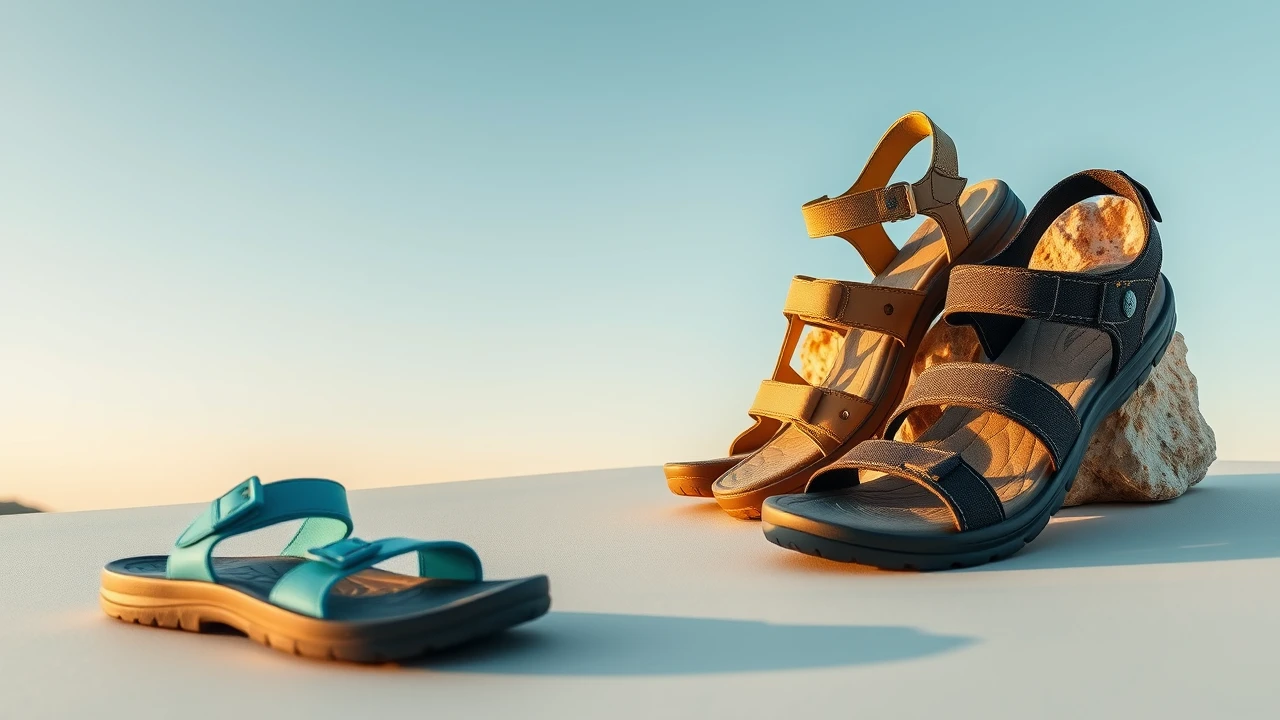
Choosing the perfect pair of sandals might seem straightforward at first glance, but many buyers fall into common traps that lead to discomfort, premature wear, or mismatch with intended use. Whether you’re shopping for casual flip-flops, rugged hiking sandals, or elegant heeled designs, understanding the key features and potential pitfalls can help you make smarter, more informed decisions. This article explores typical mistakes shoppers make when buying sandals and offers practical advice to avoid them, ensuring your next purchase delivers comfort, style, durability, and functionality.
Mistake 1: Overlooking the Intended Use and Environment
Why This Happens
Many buyers select sandals based solely on appearance or price, neglecting to consider where and how they will be worn. Sandals designed for casual beachwear differ significantly from those built for hiking or formal events.
How to Avoid It
- Define Your Primary Use: Are you looking for sandals for outdoor adventures, travel convenience, poolside relaxation, or social occasions? Each use case demands specific features.
- Match Features to Activities: For example, rugged hiking sandals often include closed-toe protection, impact-resistant soles, and adjustable arch support, ideal for trail walking and uneven terrain. In contrast, casual flip-flops prioritize lightweight EVA foam footbeds and quick-dry materials for beach and poolside comfort.
- Consider Environmental Factors: Waterproof and UV-resistant materials are essential for water activities, while breathable, odor-resistant fabrics enhance comfort in hot urban climates.
Mistake 2: Ignoring Fit and Support Features
Why This Happens
Sandals often feel loose or too tight because buyers do not account for adjustable straps, arch support, or ergonomic design when trying them on.
How to Avoid It
- Look for Adjustable Straps and Heel Support: Adjustable features allow for a customized fit, improving stability and preventing chafing. Many modern sandals incorporate hook-and-loop fasteners or buckle systems for easy adjustment.
- Prioritize Ergonomic Arch Support: A cushioned footbed with ergonomic arch support reduces foot fatigue, especially during extended wear or active use. Brands now integrate materials like EVA foam and neoprene to enhance comfort and support.
- Try On Both Feet and Walk Around: Feet can differ in size and shape. Testing how the sandal feels during movement helps identify potential pressure points or slipping.
Mistake 3: Neglecting Durability and Quality Certifications
Why This Happens
Some shoppers opt for the cheapest option without considering materials and manufacturing standards, leading to quick wear and poor performance.
How to Avoid It
- Check Materials: Sustainable synthetic leather, neoprene, and EVA foam are common in quality sandals, offering durability, flexibility, and eco-conscious benefits.
- Look for Quality Certifications: ISO, ASTM, CE, and TÜV certifications signal that sandals have undergone rigorous testing for safety, durability, and comfort.
- Seek Warranty and Repair Options: Reliable products often come with warranties or repair kits, underscoring manufacturer confidence and customer assurance.
Mistake 4: Overlooking Sole Construction and Traction
Why This Happens
Buyers may not realize how critical sole design is for grip and impact protection, especially for outdoor and active sandals.
How to Avoid It
- Choose Non-Slip, Impact-Resistant Soles: For hiking or water sports, soles with deep tread patterns and cushioned midsoles improve traction and shock absorption. Materials like rubber or EVA foam are common.
- Evaluate Sole Thickness and Flexibility: Thick soles provide protection on rough terrain, while flexible soles enhance natural foot movement for casual walking.
- Consider Terrain-Specific Designs: Closed-toe hiking sandals often feature reinforced toe caps and rugged soles, whereas casual slides focus on lightweight, smooth soles for indoor or urban use.
Mistake 5: Disregarding Breathability and Comfort Features
Why This Happens
Sandals that look stylish may neglect ventilation and moisture control, causing discomfort and odor during prolonged wear.
How to Avoid It
- Select Breathable, Quick-Dry Materials: Fabrics like neoprene and mesh panels promote airflow and dry quickly if exposed to moisture, essential for beach or travel sandals.
- Look for Anti-Chafing Features: Smooth linings and padded straps reduce friction and skin irritation.
- Consider Odor-Resistant Treatments: Some sandals incorporate antimicrobial coatings or materials that inhibit bacterial growth, keeping feet fresher longer.
Mistake 6: Failing to Balance Style with Functionality
Why This Happens
Especially for women buying heeled or gladiator sandals, style often outweighs comfort, leading to foot pain or limited wear.
How to Avoid It
- Choose Sandals That Combine Fashion and Comfort: Look for cushioned footbeds, ergonomic arch support, and stable heel designs in fashion sandals.
- Check Heel Height and Stability: Lower, block heels or wedge designs provide better balance than thin stilettos for all-day wear.
- Opt for Adjustable Straps: These improve fit and reduce pressure points, enhancing comfort without compromising style.
Mistake 7: Overlooking Portability and Travel Convenience
Why This Happens
Travelers sometimes buy sandals that are bulky or heavy, reducing packing efficiency and comfort during journeys.
How to Avoid It
- Look for Lightweight, Foldable Designs: Travel-specific sandals often feature compact construction and flexible soles, easily fitting into luggage without adding bulk.
- Prioritize Versatility: Choose sandals that can transition from casual sightseeing to poolside relaxation, reducing the need for multiple pairs.
- Check Waterproof and Quick-Dry Properties: Travel sandals should handle unexpected wet conditions and dry quickly for convenience.
Conclusion
Buying sandals that truly meet your needs requires thoughtful consideration beyond initial appearance or price. Avoiding common mistakes—such as ignoring intended use, fit, durability, sole quality, breathability, style-function balance, and travel convenience—ensures you invest in footwear that offers lasting comfort, performance, and satisfaction. Whether you’re gearing up for outdoor adventures with rugged hiking sandals, lounging poolside in quick-dry flip-flops, or stepping out in stylish heeled sandals, understanding these factors will help you choose wisely and enjoy every step.
By focusing on key features like eco-friendly materials, ergonomic arch support, waterproofing, non-slip soles, and quality certifications, you can find sandals that not only look good but also support your lifestyle and values. Take your time, try on different styles, and select sandals designed to keep your feet happy no matter where your journey takes you.