
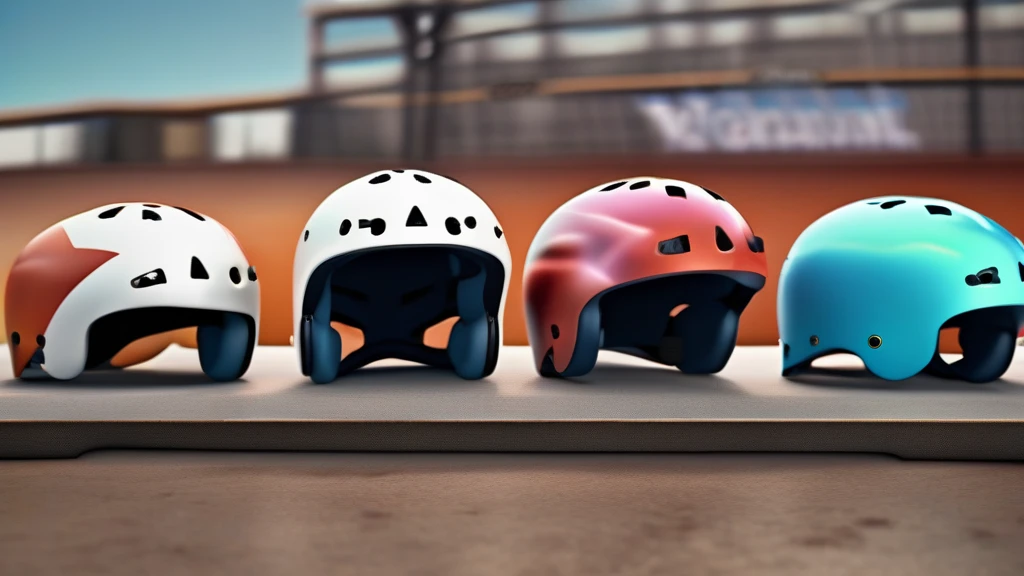
Skate helmets are a crucial piece of protective gear for anyone engaging in outdoor recreational activities such as skateboarding, BMX riding, scootering, rollerblading, and even kayaking. Despite their importance, many buyers make common errors that compromise safety, comfort, and overall satisfaction. Understanding these typical pitfalls and how to avoid them can help you select the right helmet that not only protects but also enhances your experience.
In this article, we’ll explore the most frequent mistakes made when purchasing skate helmets and provide practical advice to help you make smarter, safer decisions.
Mistake 1: Overlooking Safety Certifications
Why Certifications Matter
One of the most critical aspects of a skate helmet is its ability to protect your head in the event of an impact. Safety certifications are independent validations that the helmet meets rigorous standards for impact resistance and durability. Common certifications to look for include:
- CPSC (Consumer Product Safety Commission): The standard for bicycle helmets in the U.S., relevant for skate helmets used in similar sports.
- ASTM F1492: Specific to skateboarding helmets, ensuring protection against multiple impacts typical in skate sports.
- CE EN 1078: The European safety standard for helmets used in cycling, skateboarding, and roller skating.
- ISO and TÜV certifications: International and German safety standards reflecting quality and reliability.
The Mistake
Many buyers assume that any helmet labeled for skateboarding is equally safe, or they choose products without verifying these certifications. This can lead to purchasing helmets that do not provide adequate protection, especially for high-risk activities like BMX or aggressive skating.
How to Avoid It
Always check for at least one of the recognized certifications on the helmet label or product description. If you engage in multiple sports, look for helmets certified to multiple standards, such as ASTM F1492 and CPSC, ensuring versatility and safety across activities.
Mistake 2: Ignoring Proper Fit and Adjustment Features
Importance of Fit
A helmet’s protective capabilities are only effective if it fits securely and comfortably. Ill-fitting helmets can shift or come off during a fall, drastically reducing their protective function.
Common Fit-Related Errors
- Buying helmets that are too large or too small.
- Neglecting adjustable features like dial-fit systems or chin straps.
- Failing to use multi-size fit pads, especially for youth helmets that need room to grow.
- Disregarding differences in head shape (round vs. oval) when selecting a model.
How to Avoid It
- Measure your head circumference accurately and consult sizing charts.
- Choose helmets equipped with adjustable rotational dial systems and chin straps for a customized fit.
- For children, select models that include multi-size fit pads to adapt as they grow.
- Try the helmet on if possible, ensuring it sits level on your head and does not move excessively.
Mistake 3: Neglecting Ventilation and Comfort Features
Why Ventilation Matters
Skate helmets are often worn during intense summer activities. Without proper airflow, heat buildup can cause discomfort, excessive sweating, and distraction.
What Buyers Overlook
- Number and placement of vents: Most quality helmets offer between 10 to 15 strategically placed vents.
- Adjustable vents: Some helmets allow you to open or close vents depending on weather conditions.
- Sweat-wicking liners: A feature that helps keep the interior dry and comfortable.
- Weight of the helmet: Lightweight helmets (typically 200-300 grams) reduce fatigue during prolonged use.
How to Avoid It
Prioritize helmets with ample ventilation and breathable, sweat-wicking liners. If you ride in varying climates, consider models with adjustable vents for customizable airflow. Remember that a lightweight helmet enhances comfort without compromising safety.
Mistake 4: Confusing Helmet Types and Materials
Understanding Construction Types
Skate helmets generally fall into two construction categories:
- Hard shell helmets: Feature a tough outer shell made of polycarbonate or ABS plastic with an EPS foam liner inside. Known for durability and multi-impact resistance.
- In-mold helmets: Fuse a thin polycarbonate shell directly to the EPS foam liner, resulting in a lighter and more aerodynamic design but often less durable against multiple impacts.
Material Considerations
- Carbon fiber reinforcements add strength and reduce weight but usually come at a premium price.
- EPS foam liners absorb impact energy and are standard in quality helmets.
- Some helmets integrate advanced technologies like MIPS (Multi-directional Impact Protection System) to reduce rotational forces during angled impacts.
The Mistake
Buyers sometimes choose helmets based solely on style or price, ignoring whether the construction suits their activity level or durability needs. For example, in-mold helmets may be less suitable for aggressive skateboarding where multiple impacts are common.
How to Avoid It
Assess your skating style and intensity before choosing helmet construction. For high-impact sports, opt for hard shell helmets with EPS liners and consider MIPS-equipped models for enhanced safety. For casual riding, in-mold helmets offer a lightweight and comfortable alternative.
Mistake 5: Overlooking Helmet Maintenance and Lifespan
Why Maintenance Is Important
A helmet's protective materials degrade over time due to exposure to sunlight, sweat, and general wear and tear. Improper maintenance can reduce effectiveness and increase the risk of injury.
Common Oversights
- Failing to replace helmets after a significant impact.
- Ignoring manufacturer recommendations on helmet lifespan (usually 3-5 years).
- Not cleaning helmets regularly, leading to liner deterioration or odor buildup.
- Using harsh chemicals that can weaken helmet materials.
How to Avoid It
- Replace your helmet immediately after any crash, even if no damage is visible.
- Follow the manufacturer’s guidance on lifespan and replacement intervals.
- Clean your helmet with mild soap and water; avoid solvents or abrasive cleaners.
- Store your helmet in a cool, dry place away from direct sunlight and extreme temperatures.
Mistake 6: Disregarding Sustainability and Environmental Impact
The Growing Trend
As environmental awareness rises, many helmet manufacturers are adopting eco-friendly materials and processes. This includes biodegradable coatings, recyclable components, and low-carbon manufacturing techniques.
What Buyers Miss
Ignoring sustainability can lead to purchasing products with higher environmental footprints or shorter lifespans due to inferior materials.
How to Avoid It
Look for helmets that highlight sustainable features such as recycled plastics, biodegradable liners, or certifications related to eco-friendly manufacturing. Choosing durable helmets with replaceable parts also reduces waste over time.
Mistake 7: Neglecting Additional Practical Features
Features That Enhance Usability
- Quick-release buckles make putting on and taking off helmets easier, especially for kids.
- Reflective details improve visibility during low-light conditions.
- Portability options like foldable designs or included carry bags simplify transport and storage.
- Style and color can increase visibility and allow personal expression, but safety should always take precedence.
The Mistake
Ignoring these features can reduce helmet usability and safety in real-world conditions.
How to Avoid It
Evaluate your daily needs and choose helmets with convenient features that align with your lifestyle. For example, riders who commute should prioritize reflective elements and quick-release buckles.
Conclusion
Purchasing the right skate helmet involves more than picking a cool design or lowest price. Avoiding common mistakes such as ignoring safety certifications, improper fit, insufficient ventilation, unsuitable materials, poor maintenance, neglecting sustainability, and overlooking practical features will ensure you invest in protective gear that truly safeguards your head while keeping you comfortable and confident.
By carefully considering these factors and understanding helmet features like polycarbonate shells, EPS foam liners, MIPS technology, adjustable fits, and ventilation systems, you can make an informed choice that supports your outdoor recreation activities safely and sustainably. Your helmet is a vital part of your sporting gear—choose it wisely.