
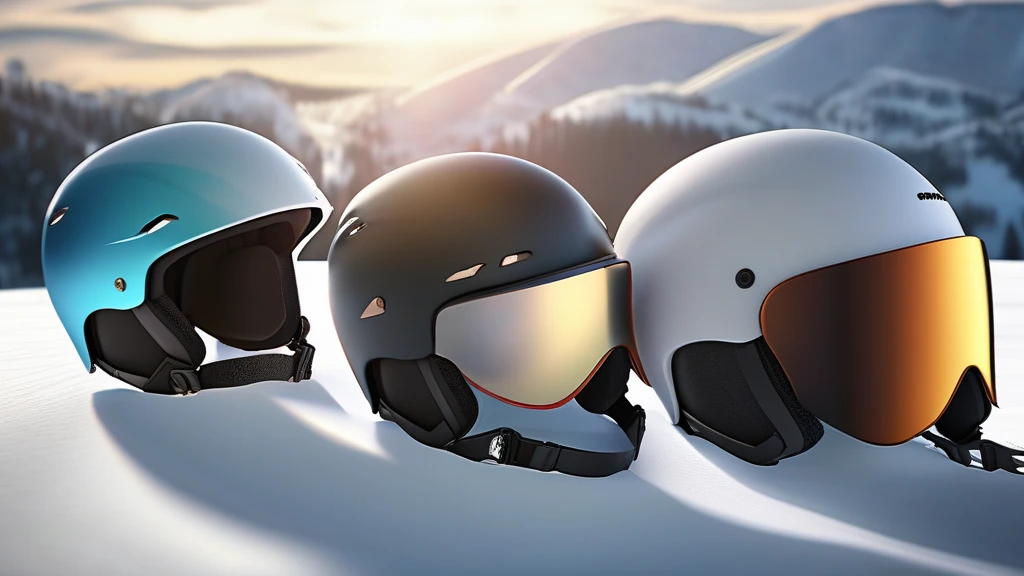
Choosing the right ski or snowboard helmet is a critical decision for anyone heading out onto the slopes or engaging in winter sports. Helmets are essential not only for safety but also for comfort, performance, and even environmental responsibility. However, many buyers make common mistakes that can compromise protection, fit, or usability. This guide explores typical pitfalls in selecting ski and snowboard helmets and offers practical advice to help you make smarter, more informed choices.
Mistake 1: Overlooking Safety Certifications and Technologies
Why Certifications Matter
One of the most frequent errors is purchasing a helmet without verifying its safety certifications. Helmets designed for winter sports should meet stringent standards such as CE EN 1077 (Europe), ASTM F2040 (North America), or ISO certifications. These labels ensure the helmet can withstand impacts typical of skiing, snowboarding, or ice climbing.
The Role of Advanced Impact Mitigation Technologies
Beyond meeting basic certification standards, many helmets now feature cutting-edge safety technologies like MIPS (Multi-directional Impact Protection System) and multi-impact EPS foam liners. MIPS adds a low-friction layer inside the helmet that allows slight rotational movement during angled impacts, reducing brain injury risk. Multi-impact foam liners can absorb multiple shocks, ideal for frequent riders or those engaging in high-risk backcountry or freestyle activities.
Avoid This Mistake By: Always check for recognized safety certifications and consider helmets with MIPS or similar technologies, especially if you’re a serious or frequent winter sports participant.
Mistake 2: Ignoring Fit and Comfort Features
The Danger of a Poor Fit
A helmet that is too loose or too tight can compromise safety and cause discomfort. Ill-fitting helmets may shift during activity, reducing protection, or cause pressure points that distract and fatigue the wearer.
Adjustable Fit Systems Are Key
Modern helmets typically offer adjustable fit systems such as Dial Fit mechanisms or multi-size padding kits. These features allow customization to different head shapes and sizes, ensuring a snug but comfortable fit.
Comfort Features for All-Day Wear
Look for helmets with fleece or sweat-wicking liners that keep you dry and warm. Detachable, pressure-free ear pads accommodate different weather conditions and personal preferences. Ergonomic designs reduce strain during long sessions on the mountain.
Avoid This Mistake By: Trying on helmets with your typical winter sport gear (including goggles) and selecting models with adjustable fit systems and comfortable liners tailored to your activity.
Mistake 3: Neglecting Ventilation and Temperature Control
Why Ventilation Matters
Winter sports can be physically demanding, and overheating inside a helmet is a common complaint. Helmets with poor airflow can cause sweating, fogging of goggles, and discomfort, impacting performance and safety.
Effective Ventilation Solutions
Look for helmets featuring multiple vents with adjustable or removable covers. Anti-fog airflow channels help maintain clear vision by directing air across goggles. Some helmets integrate a balance of ventilation and insulation suitable for varying conditions—from cold alpine descents to sunny spring skiing.
Avoid This Mistake By: Choosing helmets with versatile ventilation systems that allow you to regulate airflow according to weather and activity intensity.
Mistake 4: Overlooking Compatibility With Goggles and Accessories
The Importance of Seamless Integration
Ski and snowboard helmets must work well with goggles to provide complete protection and visibility. Poor compatibility can lead to gaps, fogging, or discomfort.
Features to Look For
Magnetic or clip goggle holders secure eyewear firmly. Helmets designed with over-the-helmet goggle integration prevent gaps and ensure a smooth fit. Some models also support communication devices or audio systems, which are popular among backcountry adventurers and snowmobilers.
Avoid This Mistake By: Testing helmet and goggle combinations before purchase and selecting helmets with dedicated goggle integration features.
Mistake 5: Focusing Solely on Style Over Function
Balancing Aesthetics and Performance
While style and color options are appealing, they should never outweigh considerations around safety, fit, and functionality. Lightweight shells made from polycarbonate, ABS, carbon fiber, or hybrid composites offer a balance of durability and portability, which directly impacts your comfort and protection.
Sustainable Manufacturing and Materials
Eco-conscious buyers should also consider helmets produced through low carbon manufacturing processes or featuring recyclable components. Sustainability is becoming a key factor in helmet design without sacrificing safety or performance.
Avoid This Mistake By: Prioritizing helmets that meet your activity needs and safety standards, then choosing from styles that fit your personal taste and environmental values.
Mistake 6: Buying Without Considering Specific Winter Sport Needs
Different Sports, Different Helmet Requirements
Skiing, snowboarding, ice climbing, backcountry hiking, and snowmobiling each pose unique risks and conditions.
- Alpine Skiing and Snowboarding: Helmets here emphasize impact resistance and comfort for aggressive downhill use. Multi-impact liners and MIPS are highly beneficial.
- Ice Climbing and Backcountry: Helmets may require additional ventilation control and compatibility with climbing gear, plus lightweight construction for portability.
- Snowmobiling: Helmets often feature enhanced insulation and wind protection, with quick-release chin straps for emergency situations.
Avoid This Mistake By: Identifying your primary activity and selecting a helmet tailored to those specific demands rather than a generic model.
Mistake 7: Failing to Maintain and Inspect Your Helmet
Helmet Longevity Depends on Care
Helmets degrade over time and after impacts, even minor ones. EPS foam liners can compress, reducing shock absorption, and external shells can crack.
Maintenance Tips:
- Regularly check for visible damage or wear.
- Replace helmets every 3-5 years or immediately after a significant impact.
- Clean liners and shells with mild soap and water; avoid harsh chemicals.
- Store helmets in cool, dry places away from direct sunlight.
Avoid This Mistake By: Treating your helmet as essential safety gear that requires ongoing care and timely replacement.
Conclusion
Buying a ski or snowboard helmet is an investment in your safety and enjoyment on the mountain. Avoiding these common mistakes—neglecting certifications, ignoring fit and ventilation, overlooking sport-specific needs, and more—helps ensure your helmet offers optimal protection, comfort, and performance. By focusing on certified impact resistance, advanced safety technologies like MIPS, adjustable and ergonomic designs, and compatibility with accessories, you can select a helmet that enhances your winter sports experience while reflecting your environmental values.
Taking the time to research and try on helmets tailored to your activities will pay dividends in confidence and protection, letting you focus on the thrill of winter adventures with peace of mind.