
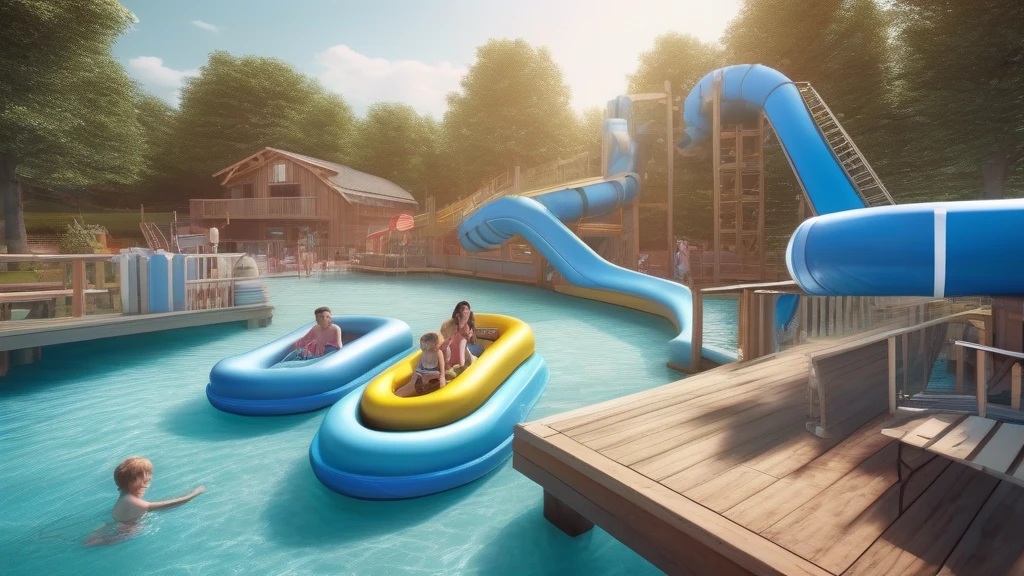
Outdoor water slides are fantastic accessories that bring excitement and fun to docks, pontoons, and backyard pools. They transform waterfronts into lively recreational hubs perfect for family gatherings, social events, and active summer play. However, choosing the right water slide can be tricky. Many buyers make common mistakes that affect the slide’s safety, durability, and overall enjoyment. This article highlights those typical errors and offers practical advice to help you make smarter purchasing decisions.
Understanding the Types of Water Slides
Before diving into mistakes, it’s important to recognize that water slides designed for outdoor aquatic play come in three main types, each tailored to specific mounting locations:
-
Dock-attached slides: Designed to mount securely on docks, these slides typically feature robust attachment systems that accommodate dock railings and edges. They often prioritize stability and ease of installation in a waterfront environment.
-
Pontoon boat slides: These slides are engineered for pontoon boats, with attachment mechanisms compatible with boat rails and surfaces. They must balance lightweight construction with durability to withstand boat movement and water exposure.
-
Poolside slides: These slides attach to pool edges or decks and are optimized for smooth integration with poolside landscaping and safety zones.
Each type has unique design elements and safety considerations. Recognizing which product suits your setting is the first step to avoiding costly errors.
Common Mistakes When Buying Water Slides
1. Choosing the Wrong Slide for the Installation Location
One of the most frequent mistakes is purchasing a slide not suited for the intended mounting location. For example, buying a pontoon slide for dock use or a dock slide for a pool can cause compatibility issues.
-
Why it matters: Slides feature specialized brackets and attachment points designed for specific structures. A dock slide typically clamps onto wooden dock edges and railings, while pontoon slides use mounting systems that fit tubular boat rails. Using the wrong type may result in unstable installation or damage to your dock or boat.
-
How to avoid it: Carefully assess your mounting environment. Measure railing sizes, dock thickness, or pool edge dimensions. Look for slides explicitly labeled for your installation type. Confirm that the attachment system matches your structure before buying.
2. Overlooking Weight Capacity and User Volume
Many buyers underestimate how many people will use the slide simultaneously or the combined weight it needs to support.
-
Why it matters: Most outdoor water slides accommodate between 2 to 4 riders at once. Selecting a slide with inadequate capacity or weight limits can lead to unsafe conditions, damage, or premature wear.
-
How to avoid it: Consider your family size and typical social use. If you anticipate groups of children or adults sliding together, opt for slides designed to hold multiple users safely. Check manufacturer specifications on maximum weight and user count.
3. Ignoring Material Quality and Weather Resistance
Water slides endure continuous exposure to water, sun, and fluctuating weather conditions. Choosing a slide made from inferior or non-weatherproof materials is a critical mistake.
-
Why it matters: Low-quality plastics or metals can degrade quickly, crack, or corrode, compromising safety and aesthetics. Fading colors and surface roughness reduce enjoyment and lifespan.
-
How to avoid it: Look for slides crafted from high-quality, UV-stabilized polymers and marine-grade metals. Durable, water-resistant materials ensure long-lasting performance and vibrant colors like blue, red, yellow, or orange that brighten your outdoor space.
4. Neglecting Safety Features and Compliance
Safety is paramount in water play equipment, yet some buyers overlook essential safety features.
-
Why it matters: Slides without smooth, well-finished sliding surfaces, secure handrails, or proper anchoring increase the risk of accidents and injuries.
-
How to avoid it: Prioritize slides with molded, slip-resistant steps, contoured handrails, and rounded edges. Verify that the product complies with safety standards and includes clear installation and use instructions.
5. Underestimating Installation Complexity
Some consumers assume all slides are equally easy to install, which can lead to frustration and improper setup.
-
Why it matters: Incorrect installation jeopardizes stability and safety. Complex mounting systems may require tools or hardware not included.
-
How to avoid it: Review installation guides before purchase. Choose slides with user-friendly attachment systems designed for your dock, pontoon, or pool edge. If needed, enlist professional help to ensure proper and secure installation.
6. Failing to Factor in Maintenance Requirements
Outdoor water slides require regular maintenance to retain safety and appearance, but many buyers neglect this aspect.
-
Why it matters: Accumulation of algae, dirt, or corrosion can create slippery or unsafe surfaces. Neglecting maintenance shortens product life.
-
How to avoid it: Select slides with smooth, easy-to-clean surfaces. Follow manufacturer recommendations for rinsing, cleaning, and storage during off-seasons. Regularly inspect hardware and attachment points for wear.
Tips for Making a Smarter Water Slide Purchase
Assess Your Outdoor Space & Usage Needs
- Measure available space on your dock, pontoon, or poolside area to ensure the slide fits comfortably without obstructing walkways.
- Consider your typical group size and the ages of users to choose appropriate size and weight capacity.
Prioritize Safety and Durability Features
- Choose slides with marine-grade, weather-resistant materials to withstand water exposure and sun damage.
- Look for safety design elements like handrails, smooth sliding surfaces, and secure mounting hardware.
Evaluate Installation Ease
- Opt for slides with clear instructions and compatible attachment systems.
- If unsure, seek professional installation to optimize safety and longevity.
Consider Visual Appeal and Color Options
- Vibrant colors such as red, orange, yellow, and blue not only enhance aesthetics but also improve visibility for safety.
- Select colors that complement your outdoor environment and personal style.
Plan for Maintenance
- Purchase slides designed for easy cleaning and resistant to algae build-up.
- Develop a maintenance schedule to inspect and clean the slide regularly.
Conclusion
Outdoor water slides are exciting additions to docks, pontoons, and pools that create memorable aquatic experiences for families and friends. However, common mistakes—such as buying incompatible slides, ignoring safety features, or overlooking maintenance—can diminish their value and pose risks.
By understanding the unique characteristics of dock, pontoon, and poolside slides, paying attention to material quality, capacity, and installation requirements, and prioritizing safety, you can select a water slide that offers years of safe, vibrant fun. Careful planning and informed decision-making will ensure your investment enhances your outdoor aquatic play to its fullest potential.