
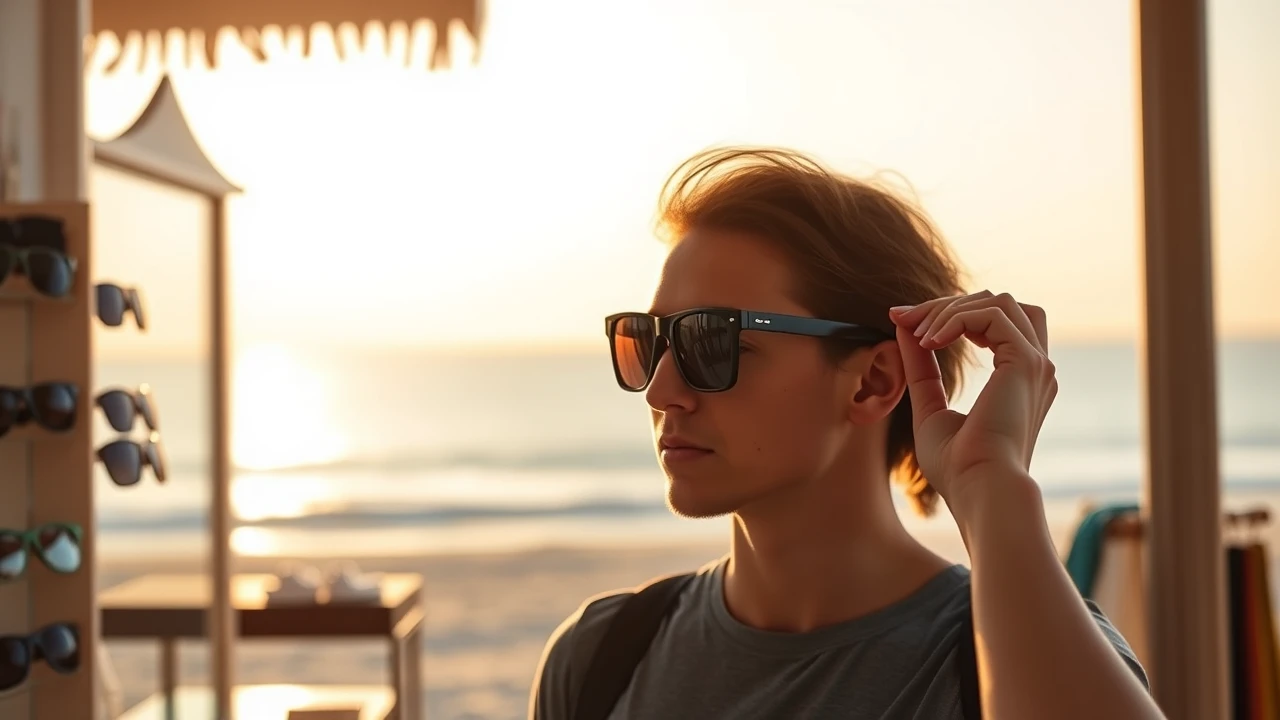
Sunglasses are more than just a stylish accessory—they are essential for protecting your eyes from harmful UV rays, reducing glare, and enhancing visual clarity in various environments. However, when shopping for sunglasses, many buyers make common mistakes that can lead to discomfort, poor eye protection, or a style that doesn’t suit their needs. Whether you’re buying sunglasses for everyday wear, outdoor activities, or fashion, understanding key features and avoiding these pitfalls will help you make smarter, more informed choices.
In this article, we’ll explore typical buyer mistakes, break down important sunglass technologies and designs, and share practical tips to help you select the perfect pair tailored to your lifestyle and preferences.
Mistake 1: Overlooking Lens Technology and Its Benefits
One of the biggest errors shoppers make is focusing solely on style while neglecting the lens technology that impacts eye comfort and protection.
Understanding Polarized vs. Photochromic Lenses
-
Polarized Lenses: These lenses contain a special filter that blocks intense reflected light, significantly reducing glare from surfaces like water, roads, or snow. This makes them ideal for driving, beach outings, and fishing. Polarization enhances clarity and reduces eye strain but does not automatically adjust to changing light conditions.
-
Photochromic Lenses: These lenses darken or lighten automatically based on UV exposure. They provide convenience for those moving frequently between indoor and outdoor environments, adapting to varying sunlight levels. However, they may take a few moments to transition fully and are less effective inside cars because UV rays are partially blocked by windshields.
Proprietary Technologies: Prizm and ChromaPop
Some high-performance sunglasses feature advanced lens technologies designed to enhance color contrast and visual detail:
-
Prizm: Developed to fine-tune vision for specific environments, Prizm lenses enhance color and contrast to improve depth perception and clarity. For example, Prizm Road lenses optimize visibility for drivers, while Prizm Trail lenses boost contrast in natural settings.
-
ChromaPop: These lenses filter specific wavelengths to sharpen colors and improve clarity, providing vibrant vision and reducing eye fatigue.
How to Avoid This Mistake
Before purchasing, identify your primary use cases and choose lenses accordingly. For intense glare reduction, polarized lenses are a must. If you want versatility for shifting light, photochromic lenses are ideal. For outdoor enthusiasts seeking enhanced visual performance, look for lenses with Prizm or ChromaPop technology.
Mistake 2: Ignoring UV Protection
Many buyers assume all sunglasses block UV rays, but this isn’t always true—especially with inexpensive or fashion-only models.
Why UV Protection Matters
Ultraviolet (UV) rays can cause serious eye damage over time, including cataracts and macular degeneration. Sunglasses should block 100% of UVA and UVB rays to ensure adequate protection.
How to Avoid This Mistake
Always check that the sunglasses explicitly state 100% UV protection or UV400 on the label. Avoid sunglasses that only reduce brightness without UV filtering, regardless of how dark the lenses appear.
Mistake 3: Choosing Sunglasses Without Considering Face Shape
Style is important, but the wrong frame shape can be uncomfortable or unflattering, detracting from your overall look.
Matching Frame Shapes to Face Shapes
-
Aviator Frames: Classic teardrop shapes that suit oval, square, and heart-shaped faces by balancing angles.
-
Rectangle Frames: Ideal for round or oval faces, these add structure and definition.
-
Round Frames: Complement square and angular faces by softening sharp lines.
-
Square Frames: Work well for oval and round faces, adding boldness.
Rimmed vs. Rimless Designs
Rimmed frames offer more structure and style variety, while rimless frames provide a minimalist, lightweight feel. Consider your comfort preferences and the statement you want to make.
How to Avoid This Mistake
Try on multiple frame shapes to see which complements your facial features. Many online retailers offer virtual try-on tools that help visualize fit and style before purchase.
Mistake 4: Neglecting Lens Color and Tint Options
Lens color affects not only aesthetics but also how well you see in different conditions.
Common Lens Colors and Their Uses
-
Gray and Black: Neutral tones that reduce overall brightness without distorting colors, suitable for general use.
-
Brown and Amber: Enhance contrast and depth perception, especially useful in variable light and outdoor sports.
-
Green: Improve contrast without color distortion, good for bright conditions.
-
Blue, Pink, Purple: Trendy colors that add style but may distort colors; best for casual wear rather than performance.
How to Avoid This Mistake
Select lens colors based on your primary activities. For driving and outdoor sports, brown or amber lenses can improve safety and comfort. For everyday urban wear, neutral colors like gray provide balanced vision.
Mistake 5: Prioritizing Style Over Comfort and Durability
Sunglasses that look great but feel uncomfortable or fragile will rarely get much use.
Frame Materials and Comfort
-
Lightweight Materials: Frames made from materials like nylon, acetate, or titanium offer durability without heaviness, ideal for daily wear and active use.
-
Adjustable Features: Nose pads and flexible hinges improve fit and reduce pressure points.
Durability Considerations
Look for scratch-resistant lenses and corrosion-resistant frames if you expect heavy use or exposure to elements like saltwater.
How to Avoid This Mistake
Wear sunglasses for extended periods during try-ons to assess comfort. Check product specs for materials and features that enhance durability.
Mistake 6: Not Considering Activity-Specific Needs
Different activities demand different sunglass features for optimal performance.
Sunglasses for Specific Activities
-
Driving: Polarized lenses with anti-reflective coatings reduce glare from road surfaces and headlights.
-
Beach and Water Sports: Polarized lenses with enhanced contrast (Prizm or ChromaPop) improve visibility and reduce eye fatigue.
-
Urban Exploration: Stylish frames with photochromic lenses adapt to indoor/outdoor lighting transitions.
-
Casual Daily Use: Fashion-forward designs with UV protection and comfortable fit.
How to Avoid This Mistake
Assess what activities you’ll use your sunglasses for most. Match lens technology, frame style, and features accordingly to maximize comfort and protection.
Conclusion
Buying the right sunglasses involves more than picking a trendy frame or lens color. Avoiding common mistakes such as neglecting lens technology, UV protection, fit, and activity needs will help you select sunglasses that protect your eyes, enhance your vision, and complement your style.
When shopping, focus on key features like polarized or photochromic lenses, advanced technologies like Prizm or ChromaPop, UV400 protection, frame shape suited to your face, and durable yet comfortable materials. By aligning your choices with your lifestyle and preferences, you’ll enjoy sunglasses that look great and perform exceptionally in any situation.