
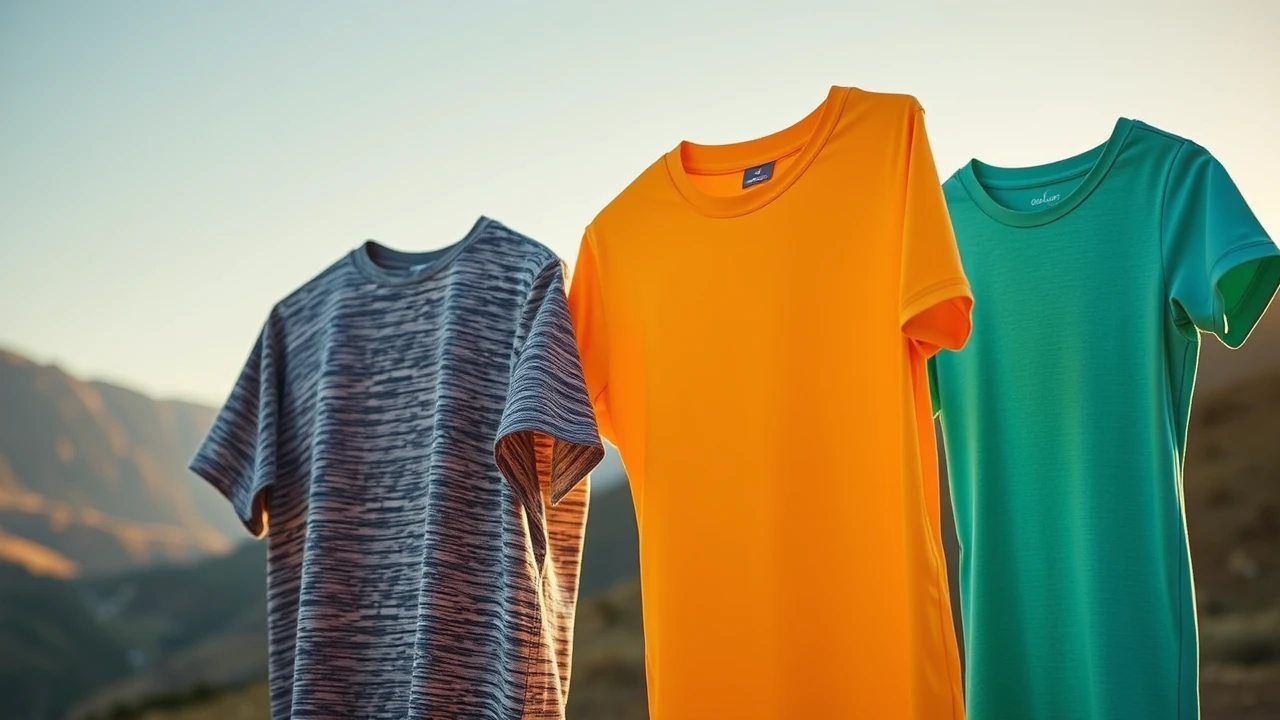
Choosing the right activewear T-shirt may seem straightforward, but many buyers unknowingly make mistakes that affect comfort, performance, durability, and sustainability. With the growing diversity of activewear tops—from high-tech workout shirts to eco-conscious travel tees—understanding the nuances of fabric, fit, and features is essential to making smarter purchasing decisions. This article highlights the most common pitfalls when buying activewear T-shirts and offers practical advice to help you select the right garment for your lifestyle, whether you're hitting the gym, exploring outdoors, traveling, or working in a professional environment.
Mistake #1: Overlooking Fabric Performance and Sustainability
Why Fabric Matters More Than You Think
Activewear T-shirts are engineered to support movement, regulate body temperature, and withstand frequent washing. Choosing the wrong fabric can lead to discomfort, reduced durability, and quicker wear and tear.
Common errors include selecting traditional cotton tees that absorb sweat and dry slowly, causing chafing and odor buildup. Conversely, some buyers assume all synthetic fabrics are equally performant or dismiss eco-friendly materials as less durable.
How to Avoid This Mistake
-
Look for Moisture-Wicking and Quick-Drying Fabrics: Materials like polyester-spandex blends excel at pulling sweat away from the skin and drying rapidly. Rayon and bamboo fabrics offer natural breathability with softness, while Merino wool provides excellent moisture management with odor resistance—even during prolonged use.
-
Prioritize Eco-Friendly Certifications: Seek T-shirts made from organic cotton, bamboo, or recycled polyester certified by GOTS (Global Organic Textile Standard), Oeko-Tex, or ISO standards. These certifications guarantee sustainable farming, non-toxic dyes, and responsible manufacturing processes.
-
Consider Fabric Durability: If you engage in high-intensity workouts or outdoor activities, choose abrasion- and tear-resistant textiles with stretch for freedom of movement. Blends with spandex or elastane improve fit and resilience.
Mistake #2: Ignoring the Importance of Fit and Cut
Why Fit Is Crucial for Comfort and Performance
An ill-fitting T-shirt can restrict movement, cause irritation, or fail to provide the intended support. Buyers often pick sizes based solely on vanity or habit, neglecting the fit tailored to their activity and body type.
How to Avoid This Mistake
-
Match Fit to Activity: For gym workouts or running, opt for athletic or slim-fit T-shirts that contour the body and reduce excess fabric that can snag or weigh you down. For hiking, travel, or casual wear, relaxed or oversized fits offer layering flexibility and comfort.
-
Consider Length and Style: Tunic-length or elongated hems provide extra coverage for outdoor or travel use. Crew necks offer classic styling and coverage, while V-necks enhance breathability.
-
Try Stretchable Fabrics: T-shirts with spandex blends accommodate dynamic movements and prevent restriction.
-
Check Sizing Guides and Reviews: Brands may vary in sizing; consulting size charts and user feedback helps ensure the right fit.
Mistake #3: Neglecting Additional Functional Features
Beyond Fabric and Fit: What Else Should You Consider?
Many activewear T-shirts incorporate technological enhancements tailored to specific needs, but buyers often overlook these features.
How to Avoid This Mistake
-
UV Protection: If you spend time outdoors, select T-shirts with built-in UV protection to shield skin from harmful rays. Look for garments labeled with UPF ratings.
-
Odor Resistance: Antimicrobial treatments or natural odor-blocking fibers like Merino wool keep you feeling fresh during long activities or travel.
-
Ventilated Panels: Mesh inserts or strategic ventilation zones improve airflow and cooling.
-
Wrinkle and Stain Resistance: Travel-friendly T-shirts often include wrinkle-resistant finishes and stain repellents to maintain a polished look and ease of care.
-
Easy Care and Portability: Machine washable fabrics that dry quickly and resist shrinking save time and effort. Compact designs or included storage pouches enhance packing convenience for frequent travelers.
Mistake #4: Overlooking Multi-Functionality and Style Versatility
The Pitfall of Buying Single-Purpose T-Shirts
Purchasing T-shirts strictly designed for one activity can limit your wardrobe flexibility and increase costs.
How to Avoid This Mistake
-
Choose Hybrid Designs: Look for activewear tops that blend sport and leisure aesthetics to seamlessly transition from gym to casual or office settings.
-
Select Neutral Colors and Minimal Branding: These options enhance styling versatility and pair well with various outfits.
-
Prioritize Layering Compatibility: Lightweight, breathable T-shirts that layer easily under jackets or sweaters expand your wardrobe options across seasons.
Mistake #5: Failing to Consider Longevity and Ethical Impact
Why Durability and Ethics Should Influence Your Choice
Fast fashion and cheap activewear can lead to premature garment failure and environmental harm. Many consumers overlook the long-term benefits of investing in sustainably produced T-shirts.
How to Avoid This Mistake
-
Check for Certifications: GOTS and Oeko-Tex certifications ensure the garment meets strict environmental and social standards.
-
Research Brand Manufacturing Practices: Ethical companies often disclose low carbon manufacturing, fair labor practices, and use of non-toxic dyes.
-
Invest in Durable Fabrics: Blends designed for abrasion resistance and stretch maintain shape and function over time.
-
Learn Proper Care Techniques: Following washing instructions for sustainable fabrics extends the life of your T-shirts and preserves performance features.
Practical Tips for Smarter Activewear T-Shirt Shopping
-
Test Fabric Feel and Stretch: Whenever possible, touch and stretch the fabric to assess softness and elasticity.
-
Read Product Descriptions Carefully: Look for keywords like "moisture-wicking," "quick-drying," "UV protection," "odor resistant," and "sustainable materials."
-
Consider Your Primary Use Case: Gym, travel, office, or outdoor wear each demand different features.
-
Check Customer Reviews: Real-world feedback can reveal fit accuracy, durability, and performance.
-
Plan for Layering and Weather: Consider climate and seasonality when selecting thickness and breathability.
Conclusion
Buying activewear T-shirts involves more than picking the most eye-catching design or familiar size. By avoiding common mistakes—such as ignoring fabric technology, overlooking fit and function, neglecting sustainability, and underestimating multi-functionality—you can select T-shirts that enhance your active lifestyle, support environmental responsibility, and provide lasting comfort and style. Armed with knowledge about materials, certifications, features, and proper care, you’ll make confident, informed purchases that align with your health, performance, and ethical values.