
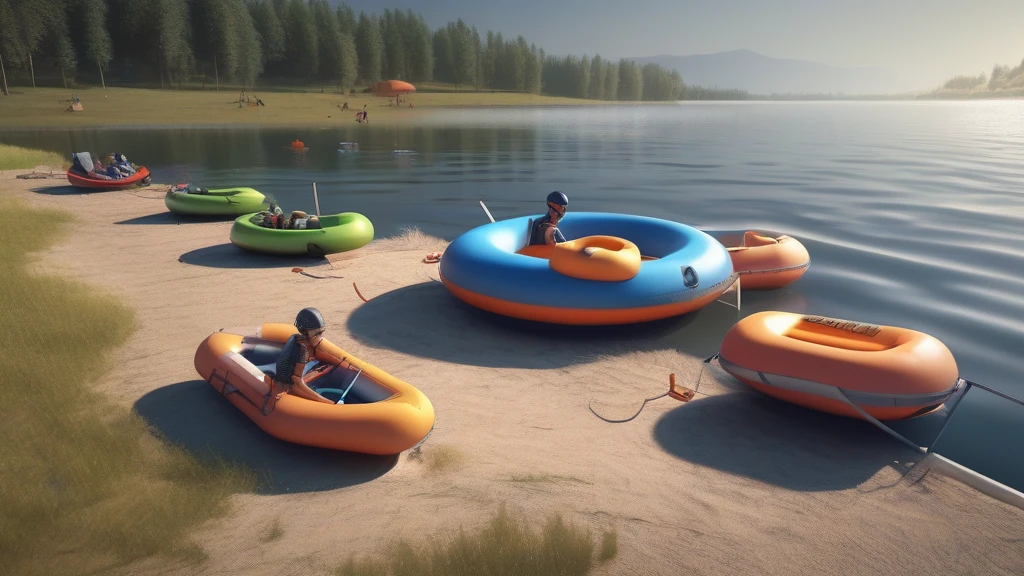
Towable rafts and tubes offer an exhilarating way to enjoy boating and water sports, providing fun, social experiences on lakes, rivers, and coastal waters. Whether you’re a solo thrill-seeker or planning a family outing, choosing the right towable watercraft is essential for safety, comfort, and maximizing enjoyment. However, many buyers make common mistakes that can lead to disappointment, safety risks, or premature product wear.
This article highlights frequent pitfalls when purchasing towable rafts and tubes and shares practical advice to help you make smarter, informed decisions.
Mistake 1: Choosing the Wrong Rider Capacity
Why Capacity Matters
Towable rafts and tubes come in various sizes designed to accommodate anywhere from one to six riders. Selecting a tube with an insufficient or excessive capacity affects both safety and experience:
- Overloading a tube meant for fewer riders can strain the material, compromise stability, and increase the risk of accidents.
- Choosing a tube that’s too large for solo use can reduce maneuverability and thrill, as it may feel bulky and less responsive.
How to Avoid This Mistake
- Assess your typical rider group: Are you mostly tubing solo, with a partner, or a group of family and friends?
- Match capacity to use: For solo adventures, opt for a single-rider tube with ergonomic design for control and comfort. For families or groups, select models designed for multiple riders, ensuring enough secure seating or grip points for all.
- Consider the weight limit: Always check product specifications for maximum rider weight to prevent overloading.
Mistake 2: Overlooking Ride Style Preferences
Sit-In vs. Lay-On-Top Designs
Towable tubes generally fall into two ride styles:
- Sit-in models: Riders sit inside a recessed area, often with backrests and secure grip handles.
- Pros: Enhanced stability, added security, better for beginners and families.
- Cons: Can feel more confined; less freedom of movement.
- Lay-on-top models: Riders lie on the tube’s top surface, holding onto handles.
- Pros: Maximizes thrill and ease of use; great for adrenaline-pumping rides.
- Cons: Less stable; requires stronger grip and balance.
Making the Right Choice
- If safety and stability are priorities — especially with children or inexperienced riders — sit-in towables are ideal.
- For experienced riders seeking excitement and freedom, lay-on-top tubes provide a more dynamic experience.
- Some models combine features, offering padded surfaces with recessed areas and multiple grip points for versatile use.
Mistake 3: Ignoring Material Quality and Durability
The Importance of Robust Construction
Towable rafts and tubes face constant exposure to water, sun, and physical impact. Poor-quality materials can quickly degrade, leading to leaks, tears, and unsafe conditions.
Key material characteristics to look for include:
- High-grade, puncture-resistant PVC or vinyl for the outer shell.
- Heavy-duty seams and reinforced stitching to withstand stress.
- Water-resistant coatings that prevent moisture absorption and mildew.
How to Verify Durability
- Check product descriptions for details on material thickness and reinforcements.
- Look for models with double or triple-layered construction in high-impact areas.
- Read user reviews to learn about real-world durability and lifespan.
Mistake 4: Neglecting Visibility and Safety Features
Why Visibility Matters
Towable tubes often come in vibrant colors like bright yellow, red, blue, or orange. These colors are not just for style—they improve visibility on the water, reducing the risk of collisions with other boats or watercraft.
Essential Safety Features
- Multiple, sturdy grip handles placed ergonomically.
- Inflation valves with secure caps to prevent air leaks.
- Quick and secure boat attachment points to ensure the tube remains safely connected during rides.
- Non-slip surfaces or padding to help riders maintain their hold and position.
Avoiding Safety Oversights
- Choose tubes with bright, high-visibility colors matched to your local water conditions.
- Confirm the presence and quality of safety handles and attachment points.
- Ensure the product meets recommended safety standards or certifications for water sports equipment.
Mistake 5: Underestimating Comfort and Stability
Comfort Features Matter
Longer tubing sessions can be uncomfortable without proper ergonomic design. Towables with well-padded seats, backrests (in sit-in models), and cushioned surfaces greatly enhance rider comfort.
Stability Is Key
- Stability varies by design: sit-in models naturally offer more balance, suitable for beginners or family groups.
- Lay-on-top tubes prioritize thrill but may feel less stable, requiring riders to have good balance and grip strength.
How to Choose for Comfort and Stability
- If planning longer rides or family outings, prioritize models with padded, contoured seating.
- For casual floating and relaxation, wider, more stable tubes are preferable.
- Review product dimensions and weight distribution to ensure the tube can handle your preferred activity style safely.
Mistake 6: Overlooking Ease of Setup and Tow Attachment
The Setup Challenge
Towable tubes with complicated inflation valves, attachment mechanisms, or heavy construction can be frustrating to set up and tow.
What to Look For
- Quick-inflate valves and high-flow inflation ports for faster setup.
- Strong, easy-to-use tow attachment points that securely connect to various boat types.
- Lightweight but durable design for easier carrying and storage.
Tips for Smart Setup
- Practice inflating and attaching your tube before the first outing.
- Verify compatibility of tow lines and boat attachments with your chosen tube.
- Invest in a quality tow rope designed for water sports, matching the tube’s attachment system.
Mistake 7: Neglecting Maintenance and Storage
Why Maintenance Is Crucial
Proper care extends the life and performance of your towable raft or tube, preventing costly damage.
Maintenance Best Practices
- Rinse with fresh water after every use to remove salt, sand, and debris.
- Allow the tube to dry completely before storage to prevent mold and mildew.
- Check for leaks or weak spots regularly, patching as needed.
- Store in a cool, shaded area away from direct sunlight to prevent UV damage.
Conclusion
Buying the right towable raft or tube doesn’t have to be overwhelming. By avoiding these common mistakes—such as mismatched rider capacity, ignoring ride style preferences, overlooking material quality, and neglecting safety features—you can ensure a safer, more comfortable, and more enjoyable water sports experience.
Focus on products that combine durable construction, vibrant visibility, ergonomic design, and user-friendly features. Whether you’re tubing solo or sharing the thrill with family and friends, informed choices lead to unforgettable adventures on the water.
Remember: Safety first, fun always!