
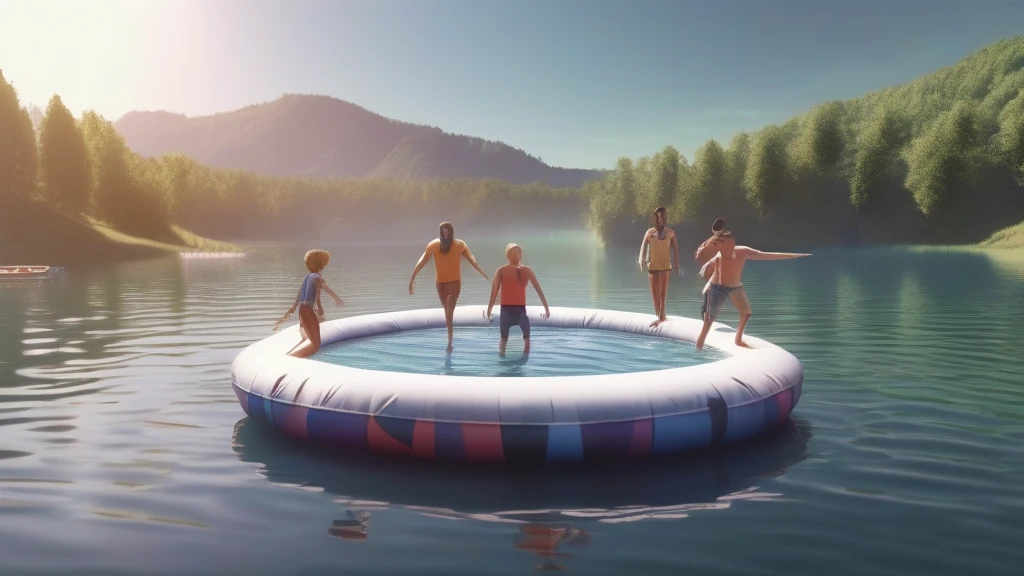
Outdoor water trampolines offer a unique blend of fun, exercise, and social interaction, bringing an exciting dimension to lakes, pools, and beach outings. These inflatable platforms combine the joys of traditional trampolining with the refreshing thrill of bouncing on water. However, choosing the right water trampoline can be more complex than it seems. Many buyers fall into common pitfalls that affect their enjoyment, safety, and the product’s longevity. This article highlights key mistakes to avoid when purchasing a water trampoline and offers practical advice to help you make an informed decision.
Mistake #1: Overlooking Size and User Capacity Requirements
Why Size Matters
Water trampolines come in various sizes, typically ranging from 8 to 12 feet in diameter. The diameter directly affects the available bouncing space and the number of users that can safely enjoy the trampoline at the same time. Buying a trampoline that is too small for your intended group can lead to cramped, potentially unsafe conditions, while oversizing might cause unnecessary expense and transportation challenges.
How to Avoid This Mistake
- Assess Your Group Size: Consider how many people will use the trampoline simultaneously. Most models accommodate between 2 to 4 users. For a family with multiple children or a group of friends, a 10 to 12-foot diameter trampoline provides ample jumping space and comfort.
- Consider User Age and Weight: Larger trampolines better support adults and heavier users. If you plan to have mixed-age groups or adults using the trampoline, opt for larger, sturdier models designed for increased weight capacities.
Mistake #2: Ignoring Material Durability and Waterproof Features
The Importance of Quality Materials
Water trampolines must withstand constant exposure to water, sun, and physical impact. Inferior materials can degrade quickly, leading to leaks, tears, or loss of buoyancy. Many quality water trampolines use premium, waterproof PVC or similar durable inflatable fabrics with reinforced seams to ensure longevity and performance.
How to Avoid This Mistake
- Look for Reinforced Construction: Choose trampolines with double-layered or reinforced seams and high-quality inflatable components. This ensures the trampoline resists punctures and maintains stable inflation over time.
- Check Waterproof Ratings: Confirm that the trampoline’s materials are explicitly designed for aquatic use, including UV resistance to prevent sun damage.
- Read User Reviews and Product Details: Look for feedback on durability and performance in real-world water conditions.
Mistake #3: Neglecting Safety Features and Visibility
Why Safety Should Be a Priority
Bouncing on water creates unique safety considerations. A stable, secure platform with high visibility is essential to prevent accidents, especially in natural bodies of water like lakes or the ocean.
How to Avoid This Mistake
- Choose Vibrant Colors: Water trampolines often come in bright hues like blue, red, yellow, and orange. These colors improve visibility for swimmers and boaters, making it easier to spot the trampoline from a distance.
- Inspect Inflation Systems: Secure and reliable inflation valves prevent air leaks, maintaining the trampoline’s buoyancy and stability.
- Look for Anti-Slip Surfaces: Some trampolines feature textured jumping mats or safety grips to reduce slipping.
- Understand Weight Limits and Usage Guidelines: Following manufacturer recommendations for maximum user weight and the number of jumpers helps maintain safety.
Mistake #4: Underestimating Setup, Transport, and Storage Requirements
The Challenge of Portability and Maintenance
Water trampolines can vary widely in how easy they are to inflate, deflate, transport, and store. Buyers often overlook these practical considerations, leading to frustration and reduced product lifespan.
How to Avoid This Mistake
- Check Inflation Methods: Some models come with quick-inflate valves compatible with electric pumps, speeding up setup. Others may require manual pumping, which can be time-consuming.
- Consider Product Weight and Packed Size: Larger trampolines offer more space but are heavier and bulkier. If you plan to move the trampoline frequently (e.g., between a lake and home), opt for a model that balances size with portability.
- Plan for Storage Conditions: Always deflate and dry the trampoline thoroughly before storing to prevent mold and material degradation. Choose a storage location away from extreme temperatures and direct sunlight.
Mistake #5: Assuming All Water Trampolines Offer the Same Experience
Differences in Design and Features Matter
Not all water trampolines deliver the same level of comfort, stability, or fun. Features such as jumping surface tension, buoyancy, and additional safety enhancements vary by product and influence user experience.
How to Avoid This Mistake
- Compare Product Features: Look for trampolines with a taut jumping surface that offers the right amount of bounce without excessive sagging.
- Check for Added Comfort Elements: Some deluxe models include padded edges or integrated handles for easier climbing on and off the trampoline.
- Consider Brand Reputation and Warranty: Reliable brands often provide better build quality and customer support.
Mistake #6: Overlooking the Intended Usage Environment
Not All Trampolines Suit Every Water Setting
Water trampolines designed for calm pool environments may not perform well in lakes or beaches with waves and currents. Environmental conditions affect trampoline stability and durability.
How to Avoid This Mistake
- Match the Trampoline to Your Location: For lake or beach use, select trampolines with heavier, more robust anchors and durable fabrics to withstand waves and wind.
- Use Appropriate Anchoring Systems: Many models include or recommend anchor kits to keep the trampoline in place. Ensure you have the right anchoring gear for your water environment.
- Be Mindful of Water Depth: Trampolines require sufficient water depth underneath to allow safe bouncing and jumping without risk of injury.
Mistake #7: Forgetting to Factor in Safety Supervision and Rules
Trampolines Are Fun but Need Responsible Use
Even the best water trampoline cannot compensate for lack of supervision or ignoring safety rules, especially with children.
How to Avoid This Mistake
- Always Supervise Children: Ensure an adult is present whenever the trampoline is in use.
- Establish Clear Usage Guidelines: Limit the number of users according to the trampoline’s capacity and avoid overly risky maneuvers.
- Use Life Vests When Necessary: Particularly for younger or less confident swimmers, personal flotation devices add an extra layer of protection.
Conclusion: Making a Smarter Water Trampoline Purchase
Buying a water trampoline can greatly enhance your outdoor water activities, providing hours of fun, exercise, and social bonding. Avoiding common mistakes—such as neglecting size, durability, safety, and practical setup considerations—ensures you select a product that meets your needs and stands up to aquatic adventures.
By carefully evaluating product characteristics like diameter size, user capacity, material quality, vibrant color visibility, and safety features, you can confidently choose a trampoline that delivers safe, durable, and enjoyable water fun. Remember to factor in your usual water environment, storage capabilities, and supervision plans to maximize your trampoline experience.
With the right knowledge and planning, your water trampoline will become a favorite centerpiece for memorable summer recreation, combining physical activity with social enjoyment in a vibrant, buoyant package.