
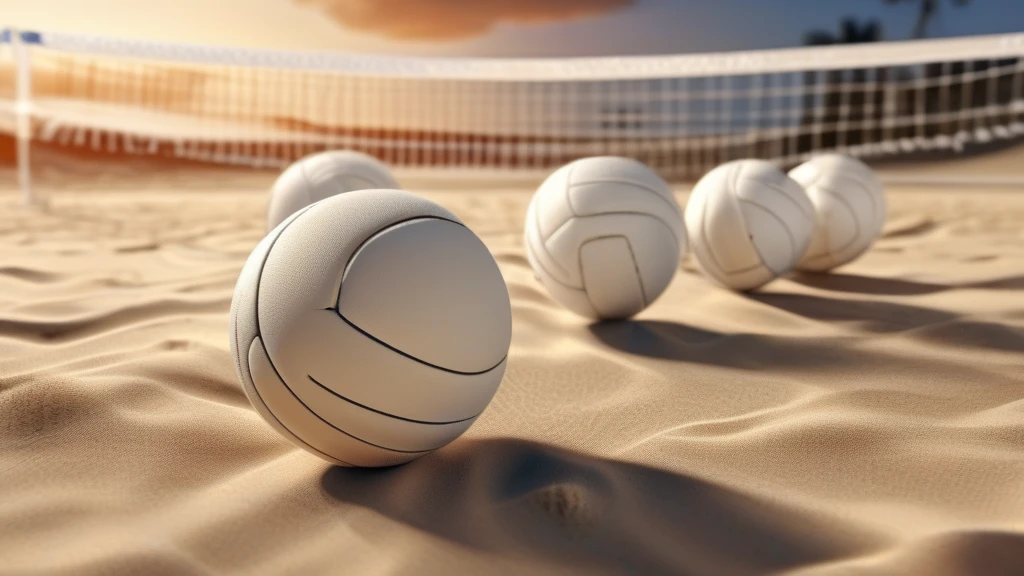
Volleyball is a dynamic sport that demands precision, control, and durability from its equipment—especially the volleyball itself. Whether you're a professional athlete, a coach, or a recreational player, selecting the right volleyball can significantly impact your performance and enjoyment of the game. However, many buyers make common mistakes when purchasing volleyballs, leading to subpar play experiences or premature wear and tear.
In this article, we’ll explore the typical pitfalls buyers encounter when choosing a volleyball and provide actionable insights to help you make smarter, more informed decisions. By understanding essential product features such as materials, certification standards, and design characteristics, you can select a volleyball perfectly suited to your play environment and skill level.
Mistake 1: Overlooking the Importance of Play Environment
Indoor, Beach, or Multi-Surface — One Ball Does Not Fit All
A frequent error is buying a volleyball without considering the specific environment where it will be used. Volleyballs are engineered with materials and features tailored to indoor courts, beach settings, or multi-surface use.
-
Indoor Volleyballs typically feature composite or synthetic leather covers that offer a smooth, consistent surface ideal for hardwood or polished floors. They often include high air retention bladders made from butyl or latex, ensuring stable pressure and bounce during fast-paced indoor matches.
-
Beach Volleyballs are designed with waterproof, UV-resistant coatings and textured, anti-slip surfaces to withstand sand, sun exposure, and moisture. Their panels are reinforced to resist abrasion from rough outdoor conditions.
-
Multi-Surface Volleyballs incorporate durable rubber compounds and tear-resistant panels that perform well on grass, asphalt, or multipurpose courts, making them versatile for recreational players.
How to Avoid This Mistake: Always purchase a volleyball specifically designed for your primary play environment. Check product descriptions for waterproofing, UV resistance, and surface textures if you plan to play outdoors. For indoor gyms, prioritize balls with composite leather covers and certified pressure retention technology.
Mistake 2: Ignoring Certification and Size Standards
Regulation Size and Official Endorsements Matter
Many buyers assume any volleyball labeled “standard” will suffice, but competition and training require balls meeting strict size, weight, and material specifications. Certifications from organizations like FIVB, NCAA, TÜV, ISO, and CE ensure the ball adheres to official standards for tournament play.
-
Regulation-Size Volleyballs measure about 65-67 cm in circumference and weigh between 260-280 grams. Certified balls guarantee consistent flight trajectories and bounce characteristics that serious athletes rely on.
-
Training Volleyballs might come in smaller or lighter variants to accommodate skill development or reduce impact during extended practice sessions.
How to Avoid This Mistake: Identify whether you need a regulation-certified ball or a training-specific model. If you’re participating in tournaments or leagues, look for certification logos on packaging or product descriptions. For beginners or youth players, lightweight or adjustable pressure balls can help ease them into the sport safely.
Mistake 3: Neglecting Material Quality and Durability Factors
The Core of Performance Lies in Materials and Construction
Buyers often focus on aesthetics or price rather than the volleyball’s build quality, which affects durability and playability.
-
Composite and Synthetic Leather Covers provide a soft touch and enhanced control for indoor volleyballs, but quality varies. Look for microfiber layers or reinforced stitching that improve longevity.
-
Tear-Resistant Rubber Panels found on multi-surface balls help resist wear from rough outdoor courts.
-
High Air Retention Bladders made of butyl or latex maintain consistent internal pressure, ensuring the ball keeps its shape and bounce over time.
-
Stitching and Panel Design: Volleyballs with high-tension panels or reinforced seams resist splitting during aggressive play.
How to Avoid This Mistake: Examine product specifications for materials like microfiber, synthetic leather, or tear-resistant rubber. Prioritize balls with butyl bladders for superior air retention and reinforced stitching for durability. Avoid balls with cheap plastic components or loosely stitched panels that will degrade quickly.
Mistake 4: Overlooking Surface Texture and Grip Features
Control Starts with How the Ball Feels in Your Hands
Grip and ball texture are crucial for ball handling, serving accuracy, and spike control. Many buyers underestimate this aspect.
-
Textured Surfaces improve friction between hand and ball, enhancing control especially in wet or sandy conditions.
-
Anti-Slip Coatings are common in beach volleyballs and training balls designed for humid or outdoor play.
-
Smooth Composite Leather found in indoor balls offers a balance of softness and grip for quick ball manipulation.
How to Avoid This Mistake: Choose volleyballs with surface textures suited to your playing style and environment. For outdoor use, prioritize anti-slip and textured finishes. Indoor players may prefer smooth composite leather for precise ball handling.
Mistake 5: Not Considering Adjustable Pressure and Training Features
Customization Enhances Practice Efficiency
Many volleyballs now offer adjustable pressure settings or come in training sizes to better suit different skill levels and practice needs. Overlooking these features can limit training effectiveness.
-
Adjustable Pressure Volleyballs allow players or coaches to fine-tune ball responsiveness, making drills more realistic or beginner-friendly.
-
Training-Size Balls are often lighter and smaller, reducing impact and fatigue during long sessions.
How to Avoid This Mistake: If you’re a coach or dedicated player, consider volleyballs with pressure adjustability. This flexibility helps simulate real-game conditions or ease beginners into handling the ball. Training-size balls are ideal for youth programs or skill-building exercises.
Mistake 6: Disregarding Environmental Impact and Safety Features
Sustainability and Safety Are Growing Priorities
As environmental awareness rises, many volleyball manufacturers incorporate eco-friendly materials and non-toxic coatings. Safety features like child-safe designs are also important for younger players.
-
Recyclable Components and manufacturing processes reduce ecological footprints.
-
Non-Toxic, Child-Safe Coatings ensure safe play for youth athletes.
How to Avoid This Mistake: Look for volleyballs marketed with eco-conscious materials or certifications. If purchasing for children, prioritize balls with safety certifications and non-toxic finishes.
Mistake 7: Failing to Maintain and Care for Your Volleyball
Proper Care Extends Ball Life and Performance
Finally, many buyers underestimate the importance of maintenance, which can prevent early degradation.
-
Regular Inflation Checks using a pressure gauge ensure optimal bounce and shape.
-
Repair Kits for patching minor punctures or tears can extend usability.
-
Proper Storage away from extreme heat, direct sunlight, or moisture prevents material breakdown.
How to Avoid This Mistake: Invest in a reliable pump with a pressure gauge and keep a repair kit handy. Store volleyballs in cool, dry spaces and clean them regularly to maintain surface quality.
Conclusion
Purchasing the right volleyball goes beyond picking the first ball on the shelf. By avoiding common mistakes—such as ignoring play environment, certifications, materials, grip texture, adjustable features, environmental impact, and proper maintenance—you can select a volleyball that enhances your game and lasts season after season.
Remember to match your volleyball choice with your specific needs: indoor or outdoor play, competition or training, skill level, and personal preferences. Paying attention to certified sizes, durable materials like composite leather and butyl bladders, and features like textured surfaces and pressure adjustability will ensure a satisfying, high-performance volleyball experience.
Armed with this knowledge, you’re now better equipped to make an informed purchase that supports your athletic goals and respects the environment. Happy playing!