
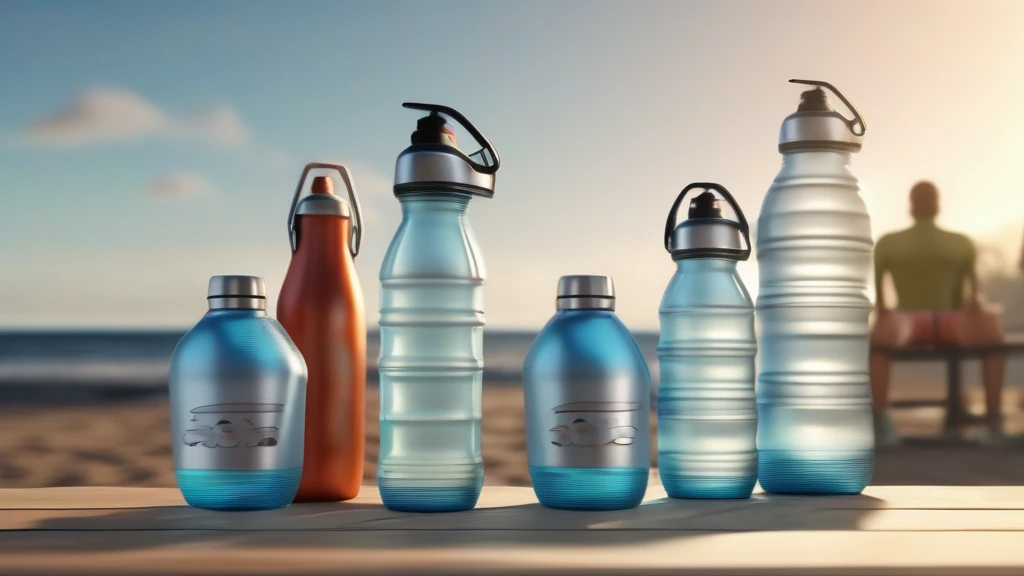
Choosing the right water bottle might seem straightforward, but for active individuals—especially those involved in water sports like surfing or intense outdoor activities—it requires careful consideration. The wrong bottle can lead to inconvenience, durability issues, or even compromise your hydration routine. This article explores common mistakes buyers make when selecting water bottles and offers practical advice on how to avoid them, helping you make smarter, more informed decisions that align with your lifestyle and hydration needs.
Mistake 1: Overlooking the Importance of Size and Capacity
Why Size Matters for Different Activities
Water bottles come in a variety of sizes, typically ranging from compact 200 ml bottles to larger 1000 ml flasks. Picking the wrong capacity can either leave you dehydrated or burden you with unnecessary bulk.
- For Surfing and Water Sports: Compact to medium-sized bottles (around 200 ml to 500 ml) are ideal. They are lightweight, easy to carry on a board or in a wetsuit pocket, and provide quick access to hydration without interfering with your movements.
- For Gym Workouts and Fitness Sessions: Medium-sized bottles of about 500 ml strike a balance between volume and portability, allowing you to stay hydrated without frequent refills.
- For Hiking and Outdoor Adventures: Larger bottles (750 ml to 1000 ml) are preferable to sustain long periods without access to water sources.
How to Avoid This Mistake
Evaluate your typical activity duration and intensity. For example, a surfer spending several hours on the water might want a durable 500 ml bottle with easy-to-grip features, while a trail runner may prefer a lightweight 200 ml bottle that fits comfortably in hand or a hydration pack. Selecting a bottle tailored to your specific hydration volume needs ensures convenience and efficiency.
Mistake 2: Ignoring Material Durability and Build Quality
Why Durability is Key
Active lifestyles demand water bottles that can withstand harsh conditions — from saltwater exposure during surfing to drops on rocky trails. Many bottles in the market emphasize robust construction using materials designed to resist impact and corrosion.
- Common Materials: High-quality plastics, stainless steel, and BPA-free composites are popular choices.
- Design Features: Bottles with reinforced bodies, shock-absorbing caps, and scratch-resistant coatings offer long-lasting performance.
How to Avoid This Mistake
When shopping, look for water bottles advertised as durable and designed for active use. Features like ergonomic grips and compact, sturdy builds indicate that the bottle can handle outdoor stresses. For example, a surf-centric bottle often incorporates materials resistant to saltwater corrosion and UV damage, whereas a gym-friendly bottle prioritizes ergonomic shapes for sweaty hands.
Avoid cheap, flimsy bottles that may crack easily or degrade over time. Investing in quality materials ensures your hydration gear lasts through multiple adventures.
Mistake 3: Neglecting Ergonomic Design and Portability
The Role of Ergonomics in Hydration
A water bottle should be easy and comfortable to carry and use, especially during demanding activities. Bulkiness or awkward shapes can disrupt your flow and even deter you from drinking enough water.
- Ergonomic Features: Contoured shapes, non-slip grips, and lightweight construction make handling easier.
- Portability Considerations: Bottles that fit into backpack pockets, wetsuit compartments, or gym holders enhance convenience.
How to Avoid This Mistake
Test how the bottle feels in your hand and whether it suits the carrying methods you use. For instance, a slim, sleek bottle with a textured grip is perfect for surfers who need quick access without fumbling. Conversely, a gym enthusiast might prefer a bottle with a wide mouth for easy refilling and cleaning.
Remember, portability is not just about size but also about how the bottle integrates into your activity gear.
Mistake 4: Overlooking Style and Color Options
Why Aesthetic Matters for Active Users
Water bottles today are not just functional—they’re a reflection of lifestyle and personal expression. Vibrant color palettes and modern styling allow users to match their hydration gear with their sportswear, surfboards, or outdoor equipment.
- Functional Style: Some colors and finishes also help with visibility in outdoor settings.
- Personalization: Choosing designs that resonate with your personality can motivate consistent hydration.
How to Avoid This Mistake
Don’t dismiss the importance of style. Select bottles that make you feel motivated and confident to carry them everywhere. For example, surfers often choose brightly colored bottles that stand out against water backgrounds, making them easy to spot, while gym-goers might prefer sleek, monochrome designs that complement their workout gear.
Finding a bottle that aligns with both your functional needs and aesthetic preferences enhances your overall experience.
Mistake 5: Failing to Consider Ease of Use and Access
Quick Access is Essential During Intense Activities
A bottle that is difficult to open or sip from can interrupt your rhythm, especially during workouts or surfing sessions where quick hydration is crucial.
- Features to Look For: Flip-top lids, wide mouths, and secure but easy-to-remove caps.
- Additional Considerations: Spill-proof designs and one-handed operation capabilities.
How to Avoid This Mistake
Prioritize bottles designed for quick and mess-free hydration. For example, a water bottle with a flip-top lid that can be operated with one hand allows surfers to drink without removing their hands from the board. Similarly, gym bottles with wide mouths simplify refilling and cleaning, maintaining hygiene.
Test or read reviews about the ease of use before buying to ensure your bottle supports your active lifestyle efficiently.
Mistake 6: Overlooking Maintenance and Hygiene Needs
Keeping Your Bottle Clean Extends Its Lifespan
Bottles used in outdoor and water sports environments are prone to accumulating bacteria and odors if not cleaned properly. Materials and design affect how easy a bottle is to maintain.
- Material Influence: Stainless steel bottles are often easier to clean and less likely to retain odors compared to some plastics.
- Design Influence: Bottles with wide openings facilitate thorough washing.
How to Avoid This Mistake
Choose bottles that are simple to disassemble and clean. For example, a gym-friendly flask with a removable lid and wide mouth encourages regular hygiene maintenance, preventing buildup and ensuring fresh taste.
Avoid bottles with narrow openings or complex parts that trap moisture, increasing the risk of mold or bacteria growth.
Conclusion: Making Smarter Water Bottle Choices
Selecting the perfect water bottle involves balancing capacity, durability, ergonomic design, style, usability, and maintenance. Active individuals, especially surfers and outdoor enthusiasts, must prioritize bottles that withstand their environment while supporting hydration needs efficiently.
By avoiding common mistakes—such as choosing the wrong size, ignoring material quality, neglecting ergonomic and aesthetic factors, or overlooking ease of use and cleaning—you can find a hydration companion that enhances your performance and enjoyment.
Remember, the best water bottle is one that fits seamlessly into your lifestyle, keeps you energized, and reflects your personal style—all while standing up to the demands of your active pursuits.