
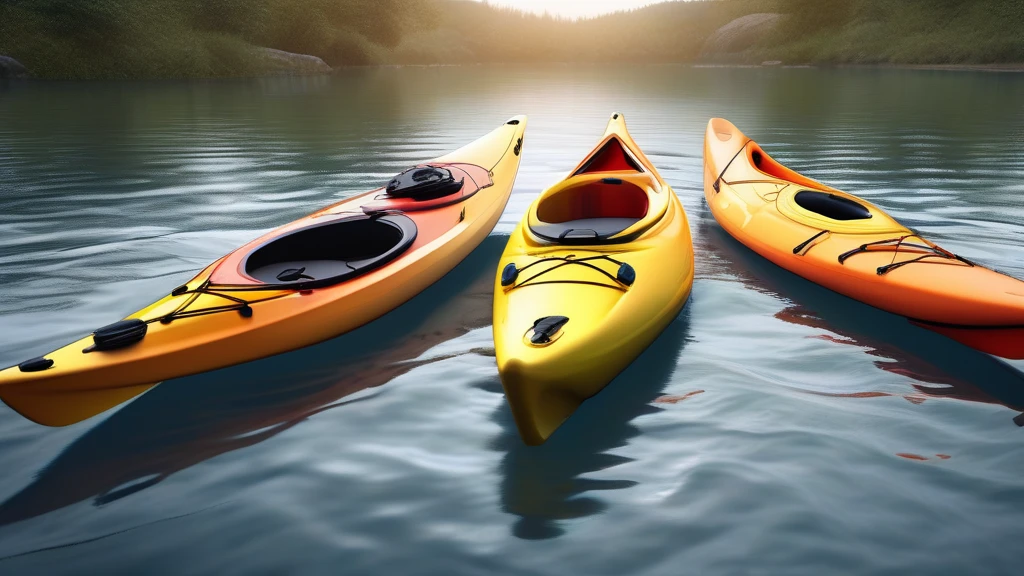
Whitewater kayaking is an exhilarating pursuit, but when it comes to selecting the right whitewater kayak, many buyers face common pitfalls that can hinder their experience or limit their safety and enjoyment on the water. While the term "whitewater kayaks" often brings to mind rapid river navigation, today’s market—especially in the realm of high-performance sea and touring kayaks—blurs these lines with vessels optimized for coastal, tidal, and open-water expeditions. Understanding these nuances, along with kayak construction, features, and intended use, is essential for making a smart purchase.
This article explores the most frequent mistakes buyers make when choosing whitewater or touring kayaks, and provides actionable guidance to help paddlers select the perfect kayak for their skill level, water conditions, and adventure goals.
Mistake #1: Confusing Whitewater Kayaks with Sea and Touring Kayaks
Understanding Kayak Types and Their Intended Use
One of the biggest misconceptions is equating all whitewater kayaks with models designed for rapid river paddling through rapids and turbulent conditions. However, many kayaks labeled within the whitewater category today are actually specialized sea or touring kayaks. These kayaks are crafted to handle coastal waters, tidal areas, estuaries, bays, and large lakes rather than intense river whitewater.
Why this matters:
Whitewater kayaks designed for river rapids are typically shorter, highly maneuverable, and built with extra ruggedness to withstand impacts against rocks. Meanwhile, sea and touring kayaks emphasize stability, speed, and endurance across longer distances, often measuring longer with sleek hull designs and equipped with features like skegs for directional control in open water.
How to avoid this mistake:
- Clarify your primary paddling environment. If you plan to explore coastal waters, tidal zones, or undertake long-distance touring, opt for sea or touring kayaks with features like high load capacity (300-500 lbs), integrated storage hatches, and spray skirts.
- For river rapids, seek shorter, more compact kayaks made from impact-resistant materials like rotomolded polyethylene that offer superior durability and maneuverability.
Mistake #2: Overlooking the Importance of Construction Materials
Choosing the Right Kayak Material for Performance and Durability
The choice of material directly influences a kayak’s weight, durability, UV resistance, and portability. Buyers often neglect this critical aspect or assume all kayaks are similar.
Common materials and their characteristics:
- Carbon Fiber & Kevlar: Extremely lightweight and stiff, providing superior performance and speed. Ideal for expert paddlers focused on endurance and racing. However, they tend to be more expensive and less impact-tolerant.
- Fiberglass: Offers a balance between weight and strength, delivering good durability and moderate cost. Suited for intermediate paddlers.
- Rotomolded Polyethylene: Highly durable and impact-resistant, suitable for rugged use and beginners. Heavier than composite materials but excellent for whitewater environments.
- Thermoformed ABS & High-Density Polypropylene: Moderate weight and durability, often used in mid-range touring kayaks. Good UV resistance and portability features.
How to avoid this mistake:
- Match the kayak material to your paddling style and environment. If you expect demanding coastal expeditions, prioritize lightweight composites for easier transport and better paddling efficiency.
- For frequent contact with rocks or rougher conditions, prioritize rotomolded or high-density materials for durability.
- Consider UV resistance and warranty coverage details, as prolonged sun exposure can degrade some materials.
Mistake #3: Ignoring the Importance of Size and Seating Configuration
Solo vs. Tandem Kayaks and Load Capacity
Choosing between solo and tandem kayaks is pivotal yet often overlooked. Many buyers pick a kayak too large or too small for their needs, impacting handling and comfort.
Key considerations:
- Solo Kayaks: Generally more maneuverable and suitable for fitness paddling or solo coastal exploration. Look for adjustable seating to optimize comfort during long outings.
- Tandem Kayaks: Better for shared adventures or carrying extra gear. These tend to be longer and heavier, requiring more effort to paddle but offering greater stability and storage.
- Load Capacity: Sea kayaks in this category often support 300-500 lbs, accommodating paddlers plus gear essential for multi-day trips.
How to avoid this mistake:
- Assess your typical paddling scenario: solo fitness training or tandem touring with a partner.
- Test seating adjustability and cockpit size for comfort.
- Confirm the kayak’s load capacity aligns with your body weight plus gear.
Mistake #4: Neglecting Essential Features for Safety and Performance
What to Look for in Safety Certifications and Functional Components
Safety is paramount, yet some buyers bypass details such as safety certifications and features that enhance control and security.
Important features include:
- Safety Certifications: Look for compliance with US Coast Guard, TÜV, CE, and ISO standards. These certifications ensure the kayak meets rigorous safety and quality benchmarks.
- Skegs and Rudders: These control devices improve tracking and directional stability in tidal and ocean conditions.
- Spray Skirts: Essential for keeping water out during rough conditions, especially in tidal or open-water kayaking.
- Deck Bungees and Storage Hatches: Provide secure storage options for gear and essentials during long excursions.
- Adjustable Seating: Enhances comfort and paddling efficiency during extended use.
How to avoid this mistake:
- Verify the kayak’s safety certifications before purchase.
- Choose models with skegs or rudders if you expect to paddle in windy or tidal waters.
- Ensure spray skirts are compatible with your kayak and paddling style.
Mistake #5: Underestimating Portability and Storage Requirements
Considering Transport and Storage for Foldable and Compact Kayaks
Whitewater and touring kayaks vary significantly in portability. Some models feature foldable designs or compact construction for easier transport, while others can be bulky and heavy.
Portability features to consider:
- Integrated Carrying Systems: Shoulder straps, deck handles, and wheels make moving the kayak from vehicle to water streamlined.
- Foldable Designs: Some advanced sea kayaks fold or collapse to reduce storage space, ideal for urban dwellers or those with limited storage.
- Weight: Lightweight composite kayaks are easier to lift and carry solo compared to heavier rotomolded models.
How to avoid this mistake:
- Evaluate how you will transport your kayak—car roof racks, trailers, or public transit—and select accordingly.
- Consider foldable or compact kayaks if storage space is limited.
- Test carrying systems to ensure they suit your strength and handling preferences.
Mistake #6: Skipping Maintenance and Care Planning
Extending Kayak Life Through Proper Maintenance
Many new owners neglect maintenance, leading to premature wear, UV damage, or mechanical issues with components like skegs.
Maintenance tips include:
- Rinse kayaks with fresh water after exposure to saltwater to prevent corrosion and material degradation.
- Use UV protectant sprays or covers to shield composite and plastic surfaces from sunlight.
- Regularly inspect skegs, rudders, and hatch seals for damage or wear.
- Store kayaks indoors or under shade to extend material lifespan.
How to avoid this mistake:
- Develop a routine care schedule aligned with your usage frequency.
- Invest in protective gear like kayak covers and UV protectants.
- Follow manufacturer guidelines for component upkeep.
Conclusion
Buying a whitewater or touring kayak is a significant investment in your outdoor adventures. Avoiding these common mistakes—from misunderstanding kayak types and materials to overlooking safety features and maintenance—will help you select a kayak that truly matches your paddling style, environment, and goals.
By focusing on the kayak’s intended use, construction material, size, safety certifications, portability, and care, you can confidently navigate the options and enjoy countless rewarding hours exploring coastal waters, tidal zones, and expansive lakes with both stability and speed.
Choosing wisely today ensures your whitewater or sea kayaking experience remains safe, comfortable, and exhilarating for years to come.