
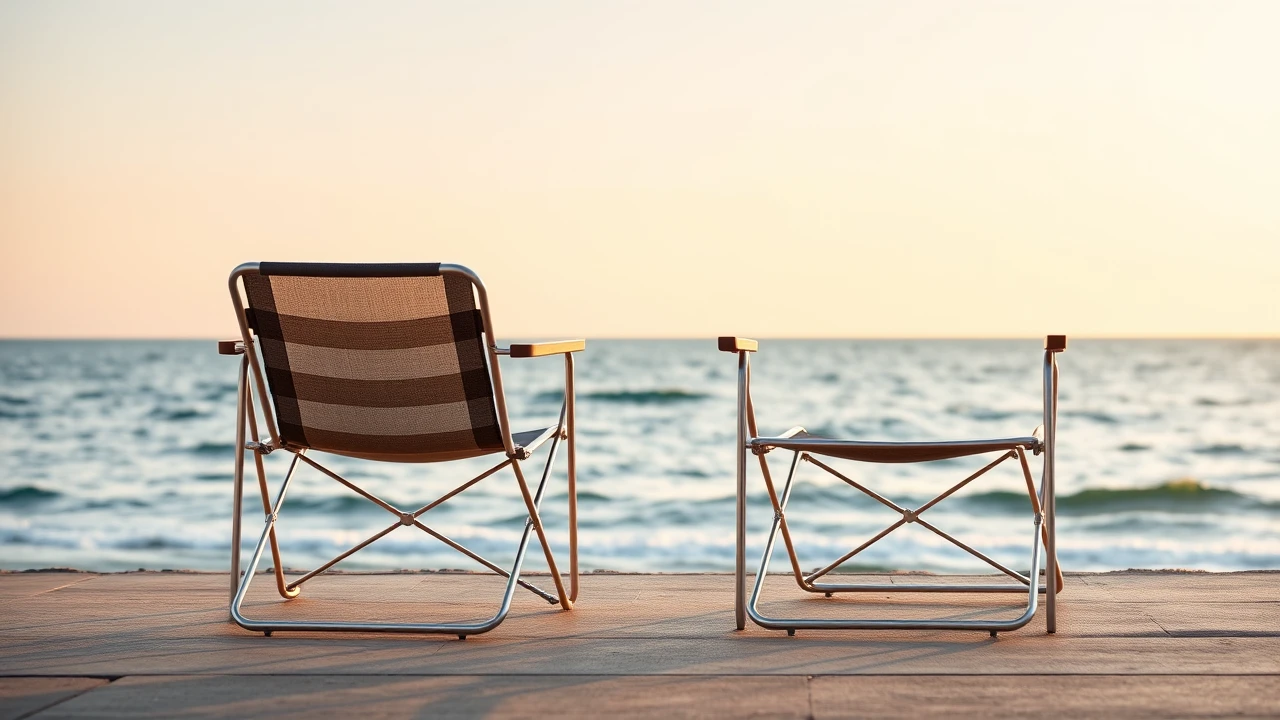
When selecting the perfect outdoor chair for beach trips, camping adventures, fishing excursions, or backyard relaxation, durability and longevity are top priorities. Among the wide range of portable outdoor chairs available, two frame materials frequently stand out for their blend of strength and weather resistance: aluminum and rustproof steel. Understanding the characteristics, benefits, and limitations of each can help you choose a chair that stands up to the elements and meets your specific outdoor needs.
In this article, we'll compare aluminum and rustproof steel frames in terms of longevity, maintenance, comfort, and suitability for different outdoor activities. This guide aims to provide practical insights so you can make an informed decision when investing in outdoor seating that lasts.
Understanding Frame Materials for Outdoor Chairs
Why Frame Material Matters
The frame is the backbone of any outdoor chair. It supports your weight, determines portability, and influences how well the chair withstands exposure to sun, moisture, saltwater, and rough terrain. Choosing a frame material that balances durability with lightweight design and corrosion resistance is essential for ensuring long-term use and comfort.
Aluminum Frames: Lightweight and Corrosion-Resistant
Aluminum is a popular choice for outdoor chair frames largely due to its lightweight nature and excellent resistance to rust and corrosion. This metal naturally forms a protective oxide layer when exposed to air, which helps shield it from moisture and environmental damage without requiring additional coatings.
Rustproof Steel Frames: Strength Meets Durability
Rustproof steel typically refers to steel treated with protective coatings, such as powder coating or galvanization, to prevent rust formation. This treatment allows steel—a material known for strength and rigidity—to be used in outdoor settings where moisture and humidity are concerns. Rustproof steel frames tend to be heavier than aluminum but offer robust structural support.
Comparing Longevity: Aluminum vs. Rustproof Steel
Corrosion Resistance and Weather Performance
-
Aluminum: Naturally corrosion-resistant, aluminum frames perform exceptionally well in humid, salty environments like beaches and lakesides. They rarely develop rust, making them ideal for use near water. However, aluminum can oxidize over time and may develop a dull surface if not properly cared for.
-
Rustproof Steel: The protective coatings applied to rustproof steel help it resist corrosion, but these layers can wear down over time, especially if scratched or exposed to harsh conditions. Once the coating is compromised, steel can rust, weakening the frame. That said, with proper maintenance, rustproof steel chairs can last many years.
Strength and Structural Integrity
-
Aluminum: While lightweight, aluminum is not as strong as steel and can bend or dent under heavy loads or impacts. High-quality aluminum frames often use reinforced tubing designs to improve durability without adding weight.
-
Rustproof Steel: Steel frames offer superior strength and are less prone to bending or warping. This makes steel a better choice for users who require higher weight capacities or plan to use chairs on uneven or rugged terrain.
Longevity Summary
For long-term outdoor use, aluminum frames generally require less maintenance and resist corrosion better, especially in marine environments. Rustproof steel frames provide greater strength but may need more care to prevent rust over time. Choosing between the two depends on your typical use conditions and how much maintenance effort you’re willing to invest.
Maintenance Tips to Extend Frame Life
Proper upkeep can significantly increase the lifespan of both aluminum and rustproof steel outdoor chairs.
Aluminum Frame Care
- Rinse off salt, sand, and dirt after use, especially after beach trips.
- Wipe dry to prevent surface oxidation.
- Apply a protective wax or polish occasionally to maintain finish and prevent dulling.
- Inspect for dents or cracks that could compromise structural integrity.
Rustproof Steel Frame Care
- Clean frames regularly with mild soap and water to remove debris.
- Dry thoroughly to avoid moisture buildup.
- Check for scratches or chips in the coating and touch them up with rust-inhibiting paint.
- Store chairs in a dry place when not in use, especially during winter months.
- Lubricate moving parts or joints to prevent stiffness.
Portability and Comfort Considerations
Weight and Transport
- Aluminum chairs are typically lighter, making them easier to carry long distances or pack for backpack-style camping and hiking.
- Rustproof steel chairs tend to be heavier but offer sturdier support, which may be preferred for car camping or situations where weight is less critical.
Ergonomics and Features
Both aluminum and rustproof steel framed chairs often come with ergonomic designs featuring adjustable recline, padded armrests, breathable mesh panels, and built-in accessories like cup holders and storage pouches. The frame material generally does not restrict these features but can influence overall comfort through stability and frame rigidity.
Best Uses Based on Frame Material
Aluminum Frame Chairs Are Ideal For:
- Beach outings where exposure to saltwater and sand is high
- Backpacking or hiking trips requiring lightweight gear
- Poolside lounging and picnics with moderate to light use
- Users prioritizing portability and rust resistance
Rustproof Steel Frame Chairs Are Ideal For:
- Heavier users or those needing higher weight capacities
- Camping trips involving rugged terrain and frequent setup/teardown
- Fishing excursions where sturdy, stable seating is essential
- Situations where maximum frame strength outweighs weight considerations
Final Thoughts: Choosing the Right Outdoor Chair Frame
Both aluminum and rustproof steel frames offer valuable advantages for outdoor seating, and the best choice depends on your specific activities, environment, and preferences.
- If you prioritize corrosion resistance, lightweight design, and ease of transport, aluminum frames are highly suitable—especially for beach and casual outdoor use.
- If you need superior strength, durability on rough terrain, and don’t mind additional maintenance, rustproof steel frames provide excellent longevity and support.
Ultimately, investing in a chair with quality construction, weather-resistant fabrics, and ergonomic features will enhance your outdoor comfort and satisfaction. Regular care and mindful use will ensure your chosen chair stands up to the elements and remains a reliable companion on many adventures to come.