
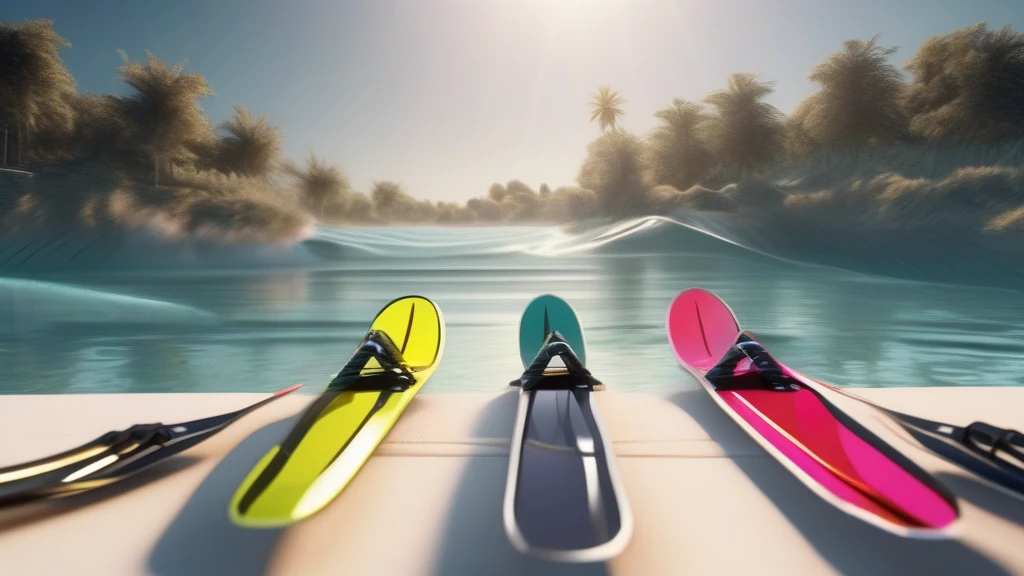
Water skiing offers an exhilarating way to enjoy the water, combining speed, skill, and balance. But with the wide variety of water skis available—each designed for different styles and skill levels—choosing the right pair can feel overwhelming. Whether you’re a beginner dipping your toes into the sport or an advanced athlete seeking precision performance, understanding the distinctions among freestyle, slalom, show, and recreational water skis is key to enhancing your experience on the water.
In this guide, we’ll explore what sets these categories apart, helping you identify which water ski type best aligns with your skill level, goals, and preferred water activities.
Understanding the Four Main Types of Water Skis
1. Freestyle Water Skis: Mastering Tricks and Maneuvers
Freestyle water skis are designed with agility and responsiveness in mind. If your goal is to perform jumps, spins, and other advanced tricks, these skis offer the flexibility and control needed to push your limits.
Key Characteristics:
- Shorter and wider design for enhanced maneuverability.
- Lightweight construction using materials like carbon fiber and fiberglass for quick responsiveness.
- Adjustable fins to tailor grip and carving ability.
- Reinforced edges to withstand impact from landings.
- Bindings and boots designed for secure fit and quick release to maximize safety during complex tricks.
Ideal For: Experienced skiers comfortable with dynamic movements who want to elevate their freestyle technique.
2. Slalom Water Skis: Precision and Speed for Racing Enthusiasts
Slalom skis are the choice for those who crave high-speed carving around buoys. These skis emphasize agility, sharp turns, and balance at fast paces.
Key Characteristics:
- Narrow, elongated shape to cut through water with minimal resistance.
- Stiff construction often incorporating Kevlar and aluminum reinforcements for strength without sacrificing weight.
- Single ski setup with an emphasis on edge control.
- High-performance fins that enhance directional stability.
- Ergonomic bindings that provide both comfort and secure foot placement.
Ideal For: Advanced to expert skiers focused on competitive racing or honing their slalom technique.
3. Show Water Skis: Team Performance and Entertainment
Show skis are specialized equipment designed for team water skiing performances that often involve synchronized movements, pyramid formations, and choreographed routines.
Key Characteristics:
- Usually longer and wider for increased stability during coordinated moves.
- Durable materials with weatherproof finishes to endure frequent use.
- Customizable bindings and fins to accommodate different team members’ preferences.
- Often brightly colored or featuring distinctive finishes to enhance visibility during performances.
- Safety certifications are emphasized due to the complexity and potential risks of show skiing.
Ideal For: Water skiers participating in team shows or exhibitions who require reliable, stable skis for complex group maneuvers.
4. Recreational Water Skis: Stability and Comfort for Beginners and Casual Skiers
Recreational skis prioritize ease of use and stability, making them perfect for beginners or those who ski for leisure rather than competition.
Key Characteristics:
- Wider skis with larger surface area to provide balance and floatation.
- Construction often includes polyurethane cores for buoyancy and fiberglass for durability.
- Adjustable, comfortable bindings with anti-slip surfaces to keep feet secure without sacrificing ease of entry.
- Features like quick-release mechanisms enhance safety for novices.
- Often come with portability features such as lightweight designs and protective carry bags.
Ideal For: First-time skiers, families, or casual enthusiasts seeking a comfortable and forgiving ride.
Material Technologies and Their Impact on Performance and Durability
Modern water skis benefit from cutting-edge materials engineered to enhance performance and longevity:
- Carbon Fiber: Offers exceptional strength-to-weight ratio, allowing skis to be lightweight yet durable, essential for freestyle and slalom skis.
- Kevlar Reinforcements: Increase resistance to impact and stress, particularly valuable in high-speed and trick-oriented skiing.
- Fiberglass Layers: Provide flexibility and shock absorption, contributing to a smoother ride.
- Polyurethane Cores: Enhance buoyancy and resilience, common in recreational and show skis.
- Aluminum Components: Used in bindings or reinforcements to add structural stability without excess weight.
Many manufacturers also prioritize eco-friendly production methods, reducing environmental impact without compromising ski quality.
Choosing the Right Water Ski for Your Skill Level and Goals
Selecting the appropriate water ski depends on several factors:
- Skill Level: Beginners benefit from stable, wider recreational skis, while advanced skiers may prefer the precision of slalom or agility of freestyle skis.
- Intended Use: Determine whether your focus is on tricks, speed, team performances, or casual cruising.
- Water Conditions: Choppy or calm waters can influence ski choice; for example, slalom skis perform best in smoother conditions.
- Safety Preferences: Look for skis with certified safety features like quick-release bindings and anti-slip surfaces.
- Customization Needs: Adjustable fins and bindings allow you to tailor your skis as your skills develop.
Maintenance Tips to Extend Your Water Ski’s Lifespan
Proper care ensures your skis perform optimally and remain safe:
- Rinse After Use: Freshwater rinsing removes salt, sand, and debris that can degrade materials.
- Inspect Regularly: Check for cracks, loose bindings, or worn fins.
- Store Properly: Keep skis in a cool, dry place away from direct sunlight to prevent warping.
- Use Protective Bags: Portability features often include carry bags that also protect skis during transport.
- Repair Promptly: Address minor damages early using repair kits designed for water skis to avoid worsening issues.
Safety Best Practices and Certification Importance
Water skiing involves inherent risks; selecting equipment that meets international safety standards is crucial:
- Look for certifications such as ISO, CE, TÜV, or Marine Safety marks on bindings and skis.
- Ensure bindings have quick-release mechanisms to allow fast exit in emergencies.
- Choose skis with ergonomic designs and anti-slip surfaces to minimize accidents.
- Always wear appropriate personal flotation devices and follow waterway regulations.
Final Thoughts: Matching Your Water Ski to Your Journey
Water skiing is a versatile sport that welcomes everyone from novices to elite athletes. Understanding the nuances between freestyle, slalom, show, and recreational water skis empowers you to make informed choices aligned with your skill level and aspirations.
By considering ski design, materials, safety features, and maintenance, you can enjoy a rewarding, safe, and thrilling water skiing experience tailored just for you. Whether carving sharp turns, executing aerial tricks, performing in a team, or simply gliding leisurely, the right water ski is your essential partner on the water.