
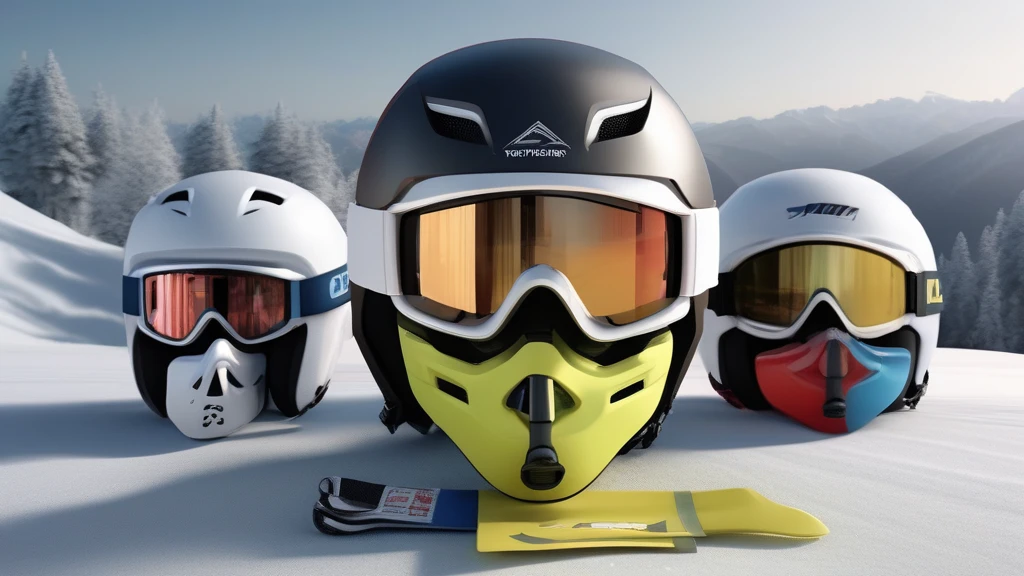
Winter sports demand not only skill and stamina but also the right protective gear to ensure safety under challenging conditions. Among the most crucial pieces of equipment is the helmet, designed to shield your head from impact while providing comfort and functionality throughout your adventure. However, not all helmets are created equal—helmets tailored for skiing, snowboarding, ice climbing, and snowmobiling differ in design, features, and certifications to meet the unique demands of each activity.
This article explores what sets these helmets apart, helping winter enthusiasts make informed decisions about the best head protection for their sport.
Understanding Helmet Safety: Certifications and Technologies
Before diving into specific sports, it’s important to grasp the basics of helmet safety standards and technologies that ensure reliable protection.
Key Safety Certifications
Winter sports helmets typically comply with recognized safety standards such as:
- CE EN 1077: A European standard for alpine skiing and snowboarding helmets.
- ASTM F2040: A North American standard covering helmets for snow sports.
- ISO Standards: International benchmarks that may apply to ice climbing helmets.
Each certification involves rigorous testing for impact resistance, penetration, retention system strength, and coverage area. Choosing a helmet with relevant certifications guarantees compliance with proven safety requirements.
Advanced Impact Mitigation: MIPS and Multi-Impact Foam
Modern helmets often incorporate technologies like MIPS (Multi-directional Impact Protection System), which adds a low-friction layer inside the helmet to reduce rotational forces during angled impacts—a common injury mechanism in falls.
Additionally, multi-impact EPS foam liners allow helmets to absorb multiple impacts without compromising protection, unlike traditional single-impact foam that may need replacement after one significant hit.
How Winter Sports Shape Helmet Design
Each winter sport presents distinct hazards and environmental challenges, prompting manufacturers to optimize helmet features accordingly.
Skiing Helmets: Balancing Safety and Ventilation for Speed
Ski helmets emphasize lightweight construction and aerodynamic shapes to reduce drag at high speeds on groomed slopes. Key features include:
- Adjustable ventilation systems: Multiple vents with removable covers allow skiers to regulate airflow as temperatures fluctuate.
- Enhanced goggle compatibility: Magnetic or clip holders secure goggles seamlessly, preventing fogging and shifting.
- Durable, impact-resistant shells: Materials like polycarbonate and hybrid composites offer robust protection against high-velocity falls.
Ski helmets also tend to have slightly more coverage around the back of the head to guard against backward falls common in skiing.
Snowboarding Helmets: Style Meets Function for Freestyle and Park Riders
Snowboarders often seek helmets that combine protection with style and comfort for urban and backcountry terrain parks. Distinguishing features include:
- Softer, pressure-free ear pads: Detachable or slim-profile ear covers enhance comfort during tricks and jumps.
- Venting tuned for low-speed activity: Smaller or fewer vents help maintain warmth during slower rides or lifts.
- Robust fit systems: Dial-fit or multi-size padding ensures secure, customizable fit critical for freestyle maneuvers.
Snowboarding helmets sometimes prioritize a slightly rounder shell shape to accommodate diverse fall patterns.
Ice Climbing Helmets: Maximizing Durability and Protection from Falling Debris
Ice climbers face unique risks like falling ice and sharp tools, so helmets designed for this activity focus on:
- High-impact, abrasion-resistant shells: Carbon fiber or reinforced ABS materials resist punctures and scrapes.
- Extended coverage and secure fit: Straps and retention systems keep helmets firmly in place during vertical climbs.
- Minimal ventilation: Smaller vents reduce cold air infiltration while maintaining breathability.
These helmets may also feature attachment points for headlamps and communication gear essential for climbing expeditions.
Snowmobiling Helmets: Full-Face Protection with Weather Resistance
Snowmobilers encounter high speeds and extreme weather, necessitating helmets with:
- Full-face shields or integrated visors: Protect against wind, snow, and debris.
- Thermal liners and breath guards: Help maintain warmth and reduce fogging in subzero temperatures.
- Robust chin straps and quick-release mechanisms: Ensure secure fit and convenient removal.
Shells tend to be more substantial to withstand impacts from collisions or rollovers and are often made from carbon fiber or composite materials balancing strength and weight.
Fit and Comfort: Key Considerations for Extended Use
Wearing a helmet all day during winter activities demands comfort alongside safety.
- Adjustable Fit Systems: Dial-fit mechanisms or removable padding customize the helmet’s interior for a snug, pressure-free fit that doesn’t shift during activity.
- Ventilation Control: Adjustable vents allow users to balance warmth and airflow, preventing overheating or chilling.
- Ear Pads and Liners: Sweat-wicking, fleece-lined, and detachable ear pads enhance comfort and hygiene.
- Weight and Balance: Lightweight helmets reduce neck strain and improve mobility, particularly important in technical sports like ice climbing.
Trying on helmets with your goggles and any headwear you plan to use ensures compatibility and comfort.
Sustainability in Helmet Manufacturing
An emerging trend in winter sports gear is environmental responsibility. Many helmet producers now emphasize:
- Eco-friendly materials: Use of recyclable shells, biodegradable liners, and low-VOC adhesives.
- Sustainable manufacturing processes: Reduced carbon footprint and waste through efficient production.
- Longevity and repairability: Modular designs with replaceable components extend helmet lifespan.
Choosing helmets with these qualities supports both personal safety and broader environmental values.
Maintenance Tips for Longevity and Performance
Proper care maintains helmet integrity and functionality:
- Regular Cleaning: Use mild soap and water to clean shells and liners; avoid harsh chemicals.
- Inspect for Damage: After any impact, check for cracks or compromised foam; replace helmets after significant hits.
- Store Properly: Keep helmets in cool, dry places away from direct sunlight to prevent material degradation.
- Replace Liners and Pads: Removable components can be washed or swapped to retain freshness and fit.
Following manufacturer guidelines ensures your helmet performs optimally season after season.
Accessory Compatibility: Integrating Goggles and Communication Devices
A helmet’s ability to work seamlessly with other gear enhances convenience and safety:
- Goggle Holders: Magnetic clips or rear straps keep goggles firmly in place, preventing distractions.
- Audio Systems: Some helmets include or support installation of Bluetooth communication devices for music, calls, or hands-free communication.
- Headlamp Mounts: Particularly important for ice climbing or night snowmobiling, integrated mounts secure lights without compromising fit.
When selecting a helmet, consider the accessories you use regularly to ensure compatibility.
Final Thoughts: Choosing the Right Helmet for Your Winter Sport
Selecting a helmet that matches your activity’s specific demands improves safety, comfort, and enjoyment. Ski helmets prioritize ventilation and aerodynamics; snowboard helmets balance style with impact protection; ice climbing helmets emphasize durability and debris resistance; snowmobiling helmets focus on full-face coverage and weather protection.
By understanding the unique features and certifications for each sport, investing in adjustable, comfortable designs, and considering sustainability and accessory compatibility, you can confidently choose a helmet that keeps you protected and comfortable on every winter adventure.
Protect your head wisely and stay safe on the slopes, ice, or trails this winter season!