
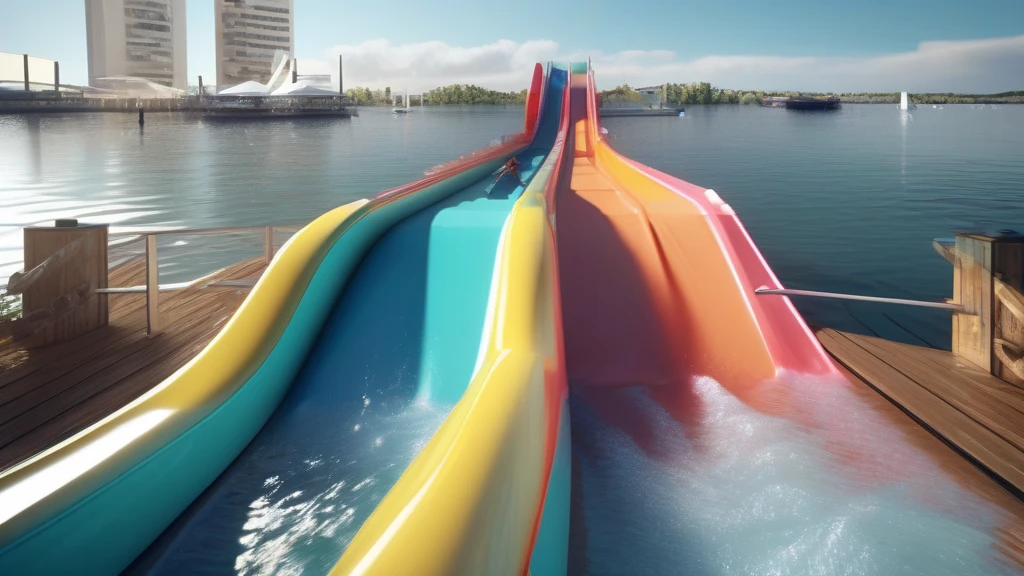
When it comes to enhancing your waterfront or poolside experience, adding a water slide can transform ordinary outdoor spaces into vibrant, playful environments for family and friends. Whether you have a dock on a lake, a pontoon boat, or a backyard pool, choosing the right water slide involves understanding different material options and how they perform in aquatic settings. This guide will delve into the common materials used in water slides designed for outdoor aquatic play, highlighting their benefits and considerations to help you select the best fit for your waterfront setup.
Why Material Matters for Water Slides
Water slides installed on docks, pontoons, or pool edges are exposed to constant moisture, sunlight, and physical wear from frequent use. The material’s durability, safety, and maintenance needs directly impact the slide’s lifespan and user experience. Additionally, materials influence the slide’s weight, ease of installation, surface smoothness, and resistance to damage from UV rays and water exposure.
By comparing materials, you can make an informed choice that balances longevity, safety, vibrant aesthetics, and comfort for users of all ages.
Common Materials Used in Outdoor Water Slides
1. High-Density Polyethylene (HDPE)
Overview: HDPE is a popular plastic material known for its toughness and resistance to impact and chemicals. It is frequently used in outdoor play equipment, including water slides.
Benefits:
- Durability: HDPE withstands exposure to sun, water, and frequent use without cracking or fading.
- Smooth Sliding Surface: Provides a slick surface ideal for water slides, ensuring fast and safe rides.
- UV Resistance: Many HDPE slides include UV inhibitors to prevent color fading and material degradation.
- Low Maintenance: Requires minimal upkeep—simple cleaning with mild soap and water is sufficient.
- Lightweight: Easier to handle during installation compared to heavier materials.
Considerations:
- HDPE slides may feel slightly less rigid than other materials, but this flexibility can add to impact absorption.
- Color options may be more limited compared to painted metal slides, though vibrant molded colors are common.
2. Fiberglass
Overview: Fiberglass is a composite material made from glass fibers embedded in resin. It’s prized for its smooth finish and strength in aquatic applications.
Benefits:
- Super Smooth Surface: Fiberglass slides offer exceptional slickness, enhancing the sliding experience.
- Strong and Rigid: Resistant to dents and deformation, maintaining shape over time.
- Aesthetic Appeal: Can be molded into sleek shapes and painted in bright, glossy colors that catch the eye.
- Durability: Resistant to water damage, corrosion, and UV rays when properly maintained.
Considerations:
- Higher Maintenance: Requires periodic cleaning and occasional waxing to preserve the surface and color.
- Installation: Fiberglass slides tend to be heavier and might need more robust mounting systems.
- Cost: Often more expensive than plastic options due to manufacturing complexity.
3. Powder-Coated Aluminum
Overview: Aluminum water slides with powder-coated finishes combine metal strength with corrosion resistance. These are less common but offer unique benefits for certain waterfront setups.
Benefits:
- Exceptional Strength: Aluminum frames provide sturdy support for multiple users.
- Corrosion Resistant: Powder coating protects against rust and deterioration in wet environments.
- Customizable Colors: Powder coating allows for a variety of bright, durable finishes.
- Longevity: Metal slides can last many years with proper care.
Considerations:
- Surface Texture: Metal is less naturally slick than plastic or fiberglass, often requiring additional coatings or water lubrication for smooth sliding.
- Heat Absorption: Metal surfaces can become hot under direct sun, posing safety concerns for bare skin.
- Weight: Aluminum slides are heavier and may require professional installation.
4. Rotomolded Plastic
Overview: Rotomolding is a manufacturing process creating hollow, durable plastic shapes. Slides made this way are common in outdoor play equipment.
Benefits:
- Durable and Impact-Resistant: Thick walls make rotomolded slides tough and resilient.
- UV Stabilized Colors: Resistant to fading and cracking.
- Affordable: Often more budget-friendly than fiberglass.
- Smooth Surface: Provides good sliding action, especially when wet.
Considerations:
- The surface finish may not be as glossy as fiberglass, potentially affecting slide speed.
- Heavier than HDPE but lighter than fiberglass.
Matching Material to Your Waterfront Setup
Dock-Attached Slides
Docks often require slides that balance durability and ease of installation. HDPE and rotomolded plastics are excellent choices here due to their lightweight construction and resistance to water and sun damage. Their smooth surfaces ensure safe, enjoyable slides into the water.
If you prefer a sleek, high-end look and don’t mind additional maintenance, fiberglass can add a stylish flair, though installation may be more involved.
Pontoon Boat Slides
Slides for pontoons must be corrosion-resistant and lightweight to avoid disrupting stability or adding excessive weight. HDPE and powder-coated aluminum slides work well here. Aluminum’s strength and corrosion resistance complement pontoon frames, while HDPE keeps installation and maintenance straightforward.
Smooth sliding surfaces and bright colors enhance the boat’s fun factor, with safety features like secure mounting systems critical in moving watercraft environments.
Poolside Slides
Poolside slides benefit from materials that maintain aesthetic appeal and withstand chlorine exposure. Fiberglass slides excel in pools due to their smooth finish and resistance to chemicals. HDPE is also suitable and easier to maintain, with less risk of surface damage from pool chemicals.
Consider the slide’s weight and mounting options to ensure pool deck safety and stability.
Additional Tips for Selecting the Right Water Slide Material
- Safety First: Ensure the material is non-toxic, free of sharp edges, and has a smooth surface to prevent injuries.
- Maintenance Commitment: Choose materials that fit your willingness to perform upkeep—fiberglass requires more attention, while HDPE is more carefree.
- Family Size and Usage: Heavier, more robust materials may better handle multiple users simultaneously.
- Climate Considerations: In areas with intense sun exposure, UV resistance is crucial to prevent fading and brittleness.
- Aesthetic Preferences: Consider how the slide’s color and finish will complement your waterfront environment.
Maintaining Your Water Slide for Longevity
Regardless of material choice, proper maintenance extends the life and safety of your water slide:
- Regular Cleaning: Rinse with fresh water after use to remove algae, dirt, and pool chemicals.
- Inspect Mounting Hardware: Periodically check bolts, clamps, and attachments for signs of wear or corrosion.
- Protect Surfaces: Use recommended cleaners and avoid abrasive tools to maintain smooth sliding surfaces.
- Cover or Store: If possible, cover slides during off-season or harsh weather to protect from UV and moisture damage.
Conclusion
Selecting the best material for your water slide involves balancing durability, safety, ease of maintenance, and aesthetic appeal to suit your waterfront setup—whether dock, pontoon, or poolside. High-density polyethylene and rotomolded plastics offer user-friendly, low-maintenance options with vibrant colors. Fiberglass provides a premium sliding experience with sleek design but requires more upkeep. Powder-coated aluminum brings sturdy strength and corrosion resistance, ideal for specialized applications like pontoon boats.
By understanding the strengths and trade-offs of each material, you can confidently choose a water slide that enhances your outdoor aquatic fun, creates lasting memories, and stands up to the elements season after season.